5 things Liège Airport’s China, US and Israel links reveal about Belgium’s cargo role
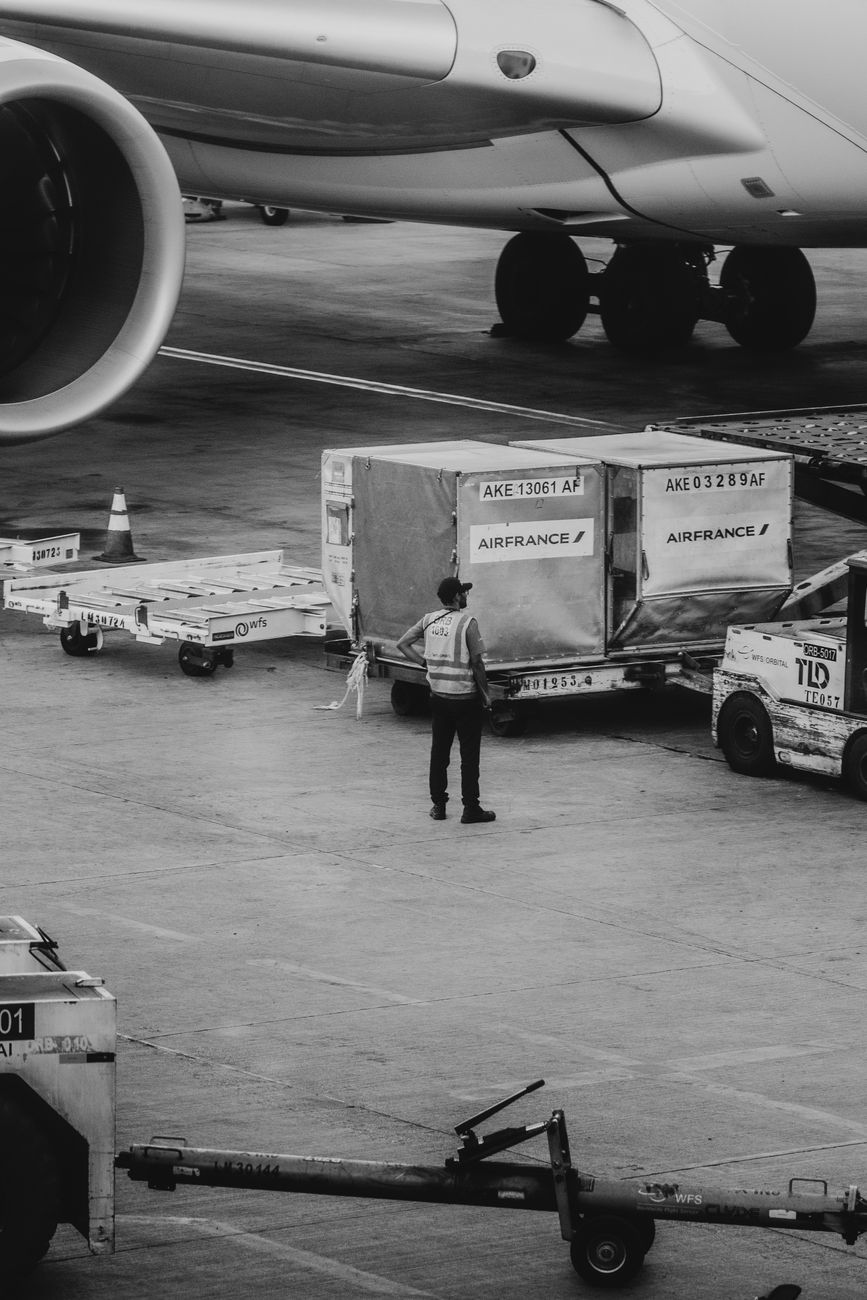
Liège Airport’s strongest international connections now put China, the United States and Israel among its top-linked countries, according to Belgian Francophone reporting. That is not only a Walloon logistics story: it places a Belgium-based cargo hub at the intersection of e-commerce, customs enforcement, Middle East-sensitive freight routes and EU supply-chain rules. The airport’s managers present the growth as proof of Liège’s economic weight, while customs officials, retailers and EU policymakers see the same traffic as a test of whether Europe can control fast-moving global parcel flows.
For Belgium-based readers, the airport is a concrete example of how global trade decisions land locally. Chinese e-commerce parcels, US-linked express freight and Israel-connected cargo routes bring jobs and investment to Wallonia, but they also raise questions about customs capacity, product safety, sanctions sensitivity, night flights and the EU’s ability to police supply chains. Brussels enters the story as the place where many of those rules are made; Liège is where they must work in practice.
The subject is Liege Airport, in Grâce-Hollogne near Liège, one of Europe’s major cargo airports. DH reported that China, the United States and Israel are among the top five countries most connected to the airport, while La Libre reported the restoration of a controversial link with a Chinese province. The named Belgian stakeholders include Liege Airport CEO Laurent Jossart, the Walloon Region through airport ownership structures including SOWAER, Belgian customs under the Federal Public Service Finance, local workers and residents, and cargo operators such as Cainiao/Alibaba, Challenge Group, ASL Airlines Belgium and other freight carriers.
Background
Liège’s cargo identity grew from Wallonia’s post-industrial search for new economic anchors. The airport benefited from its position between Paris, Amsterdam, Frankfurt and Luxembourg, then gained visibility through express freight, specialist cargo and the arrival of Alibaba’s Cainiao logistics operation. The pandemic reinforced its role when air cargo became essential for medical supplies. The newer phase is more politically exposed: low-value e-commerce parcels, China-linked supply chains and sensitive routes involving Israel or the United States are no longer treated as neutral logistics flows.
Impact
Regional — In Wallonia, Liège Airport is a strategic employer and logistics asset, with DH reporting nearly 12,000 direct and indirect jobs in 2024. The impact is concentrated around Grâce-Hollogne and the Liège logistics corridor, where freight activity supports warehouses, trucking, handling companies and customs work, while also keeping noise, land-use and environmental concerns on the local agenda.
Opposing perspectives
- Liege Airport and Walloon economic-development framing
Airport management and Walloon economic actors frame the China, United States and Israel links as evidence that Liège has become a serious European cargo platform. In this reading, international connectivity means jobs, warehouse investment, trucking activity and a place for Wallonia in time-sensitive logistics rather than only a story about geopolitical risk.
- Belgian customs and EU market-surveillance framing
Belgian customs officials and EU regulators look at the same flows through a control lens. Le Monde quoted Belgian customs leadership warning that e-commerce is overwhelming capacity, while EU Regulation 2024/3015 creates a future framework for removing forced-labour products from the Union market. This differs from a pure trade-growth narrative: the question is whether Belgium can inspect enough of what it receives.
- Retailers and consumer-safety advocates in Belgium
Belgian retailers and consumer-safety constituencies see low-cost imports through hubs such as Liège as a competition and compliance problem. Their concern is not only China as a geopolitical actor, but the practical imbalance between domestic sellers subject to EU rules and overseas platforms moving large parcel volumes at speed.
- Cargo operators and global shippers
Freight companies, handlers and e-commerce logistics groups argue implicitly through their investment choices that Liège is valuable because it links Europe quickly with China, North America, Israel and wider intercontinental networks. For them, route density is the point: delays, fragmented customs systems or sudden political restrictions can weaken the hub’s commercial proposition.
Sources & evidence
- DH - La Chine, les États-Unis et Israël, dans le top 5 des pays les plus connectés à Liege Airport · 2026-06-15
- DH - Liège Airport confirme son statut de pôle économique majeur · 2026-06-10
- La Libre - Liege Airport rétablit une liaison controversée avec une province de Chine · 2026-06-10
- EUR-Lex - Regulation (EU) 2024/3015 on products made with forced labour · 2024-12-12
- Le Monde - L’aéroport de Liège, symbole des excès de la mondialisation · 2025-09-25
- Air Cargo News - My Freighter launches Zhengzhou-Liège route · 2024-10-21