Activists bring Palestine protest to World Cup opener in Mexico City
Activists used the opening of the 2026 FIFA World Cup in Mexico City to stage a visual Palestine solidarity protest, forming a human Palestinian flag near the tournament’s first major global broadcast moment, the lead video says. The demonstration sat beside a football event already carrying political weight: FIFA’s schedule opened the expanded tournament with Mexico against South Africa at Mexico City Stadium, while separate reporting from the stadium described protests and police tension around the capital. The football itself began with Mexico’s 2-0 win, but the protest underlined how the World Cup remains a stage for causes that governing bodies often prefer to keep outside the spectacle. For Belgian readers, the relevance is indirect but real: Belgium’s own World Cup campaign starts within days, and international football is again being contested as a space for political expression, human-rights claims and limits on permitted symbolism.
For Belgian football fans, sports clubs, broadcasters and families following the World Cup, the protest is a reminder that the tournament will not be only a results story. Belgium’s matches place Belgian viewers inside the same global event, and FIFA’s handling of flags, symbols and political messaging can shape what fans see in stadiums and on broadcasts. For EU policy watchers, it also reflects how the Israel-Palestine conflict continues to spill into cultural and sporting spaces far from formal diplomacy.
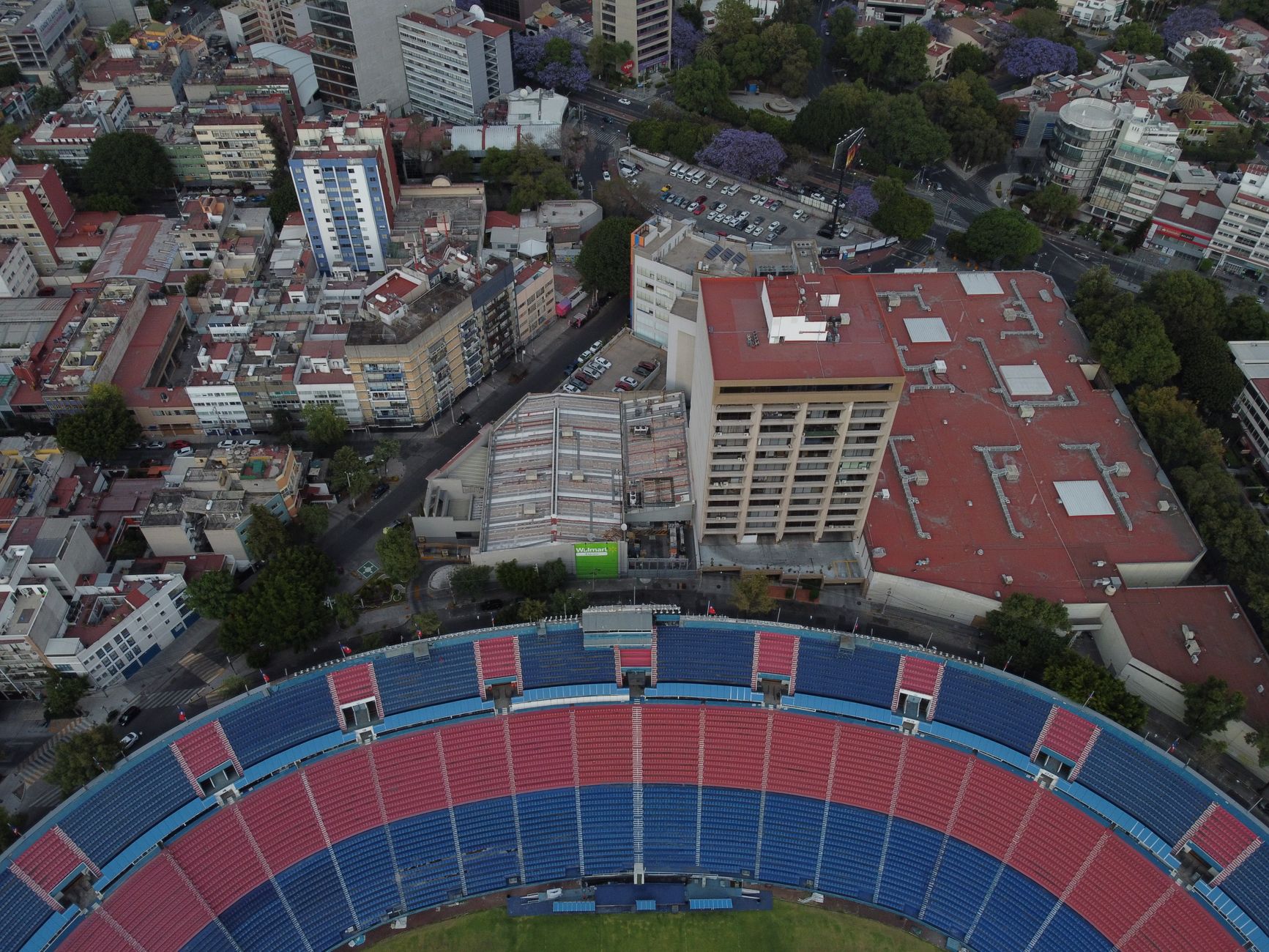
FIFA World Cup 2026 (men’s football tournament running from 11 June to 19 July 2026) is the first 48-team World Cup and is co-hosted by Canada, Mexico and the United States. Mexico City Stadium (FIFA’s tournament name for Estadio Azteca, the historic Mexico City venue opened in 1966) hosted the opener. Palestine (the Palestinian territories and national movement represented in sport by the Palestinian Football Association) did not qualify for the tournament. Palestinian Football Association (FIFA member body founded in 1962 and recognised by FIFA in 1998) has repeatedly brought football-related complaints about Israel to FIFA. Jibril Rajoub (Palestinian Football Association president and veteran Palestinian political figure) was in Mexico City for the opener while awaiting permission to enter the United States, the association president told an interview. Belgium national football team (the Red Devils, managed by the Royal Belgian Football Association) is in Group G at the tournament, according to FIFA’s published schedule.
Background
Mexico City has long been associated with sport as political theatre. At the 1968 Olympics, Tommie Smith and John Carlos raised gloved fists during the 200-metre medal ceremony in a civil-rights protest that the Olympic authorities punished. Football has its own recent precedents: at the 2022 World Cup in Qatar, several European federations, including Belgium’s, dropped plans for OneLove armbands after FIFA signalled sporting sanctions. FIFA’s 2023 Disciplinary Code states that people under its rules can be sanctioned for using a sports event for demonstrations of a non-sporting nature.
The wider picture
The World Cup is unfolding while the Gaza war and diplomatic disputes over Palestinian representation remain central global issues. A Palestine flag action at the opener turns a sporting broadcast into a geopolitical signal: football’s global reach makes it attractive to activists, while host governments and FIFA must balance security, free expression, sponsor concerns and relations with competing political constituencies.
Why now
The opening match created the tournament’s first maximum-visibility moment. A coordinated flag formation at that point could reach audiences before the event settled into match-by-match coverage, making it a strategic moment for activists seeking global attention.
What to watch
Watch whether FIFA, Mexico City authorities or stadium organisers comment on the protest; whether similar demonstrations appear at the Canada and US openings; and whether Belgium’s Group G matches draw heightened attention around Palestine, Iran or fan-symbol rules.
Opposing perspectives
- Palestine solidarity activists
The lead video frames the action as a deliberate visual intervention at football’s biggest stage: activists would argue that a human flag is peaceful, visible and proportionate because global sport cannot be separated from mass civilian suffering and restrictions on Palestinian football.
- FIFA event authorities
FIFA’s Disciplinary Code states that people subject to its rules may be sanctioned for using a sports event for non-sporting demonstrations. The strongest institutional argument is that a World Cup venue must remain orderly, predictable and focused on the match, especially when symbols could trigger confrontation among spectators.
- Palestinian Football Association
The association president’s interview linked World Cup access to wider Palestinian football grievances, including movement restrictions and damage to sports infrastructure in Gaza. That frame treats the protest not as a distraction from football, but as an attempt to force football institutions to confront conditions affecting Palestinian players and officials.
Sources & evidence
- Al Jazeera - Activists form human Palestine flag at World Cup opener in Mexico City · 2026-06-12
- Associated Press - Head of Palestinian soccer not granted US visa to attend World Cup · 2026-06-12
- The Guardian - A thunderous triumph at the Azteca offers respite from strife on Mexico City’s streets · 2026-06-12
- The Guardian - Raul Jimenez seals Mexico’s win against nine-man South Africa in World Cup opener · 2026-06-11
- FIFA - Match schedule, fixtures, results, teams and stadiums
- FIFA - FIFA Disciplinary Code 2023 · 2023-01-01
- International Olympic Committee - Mexico 1968 historical material