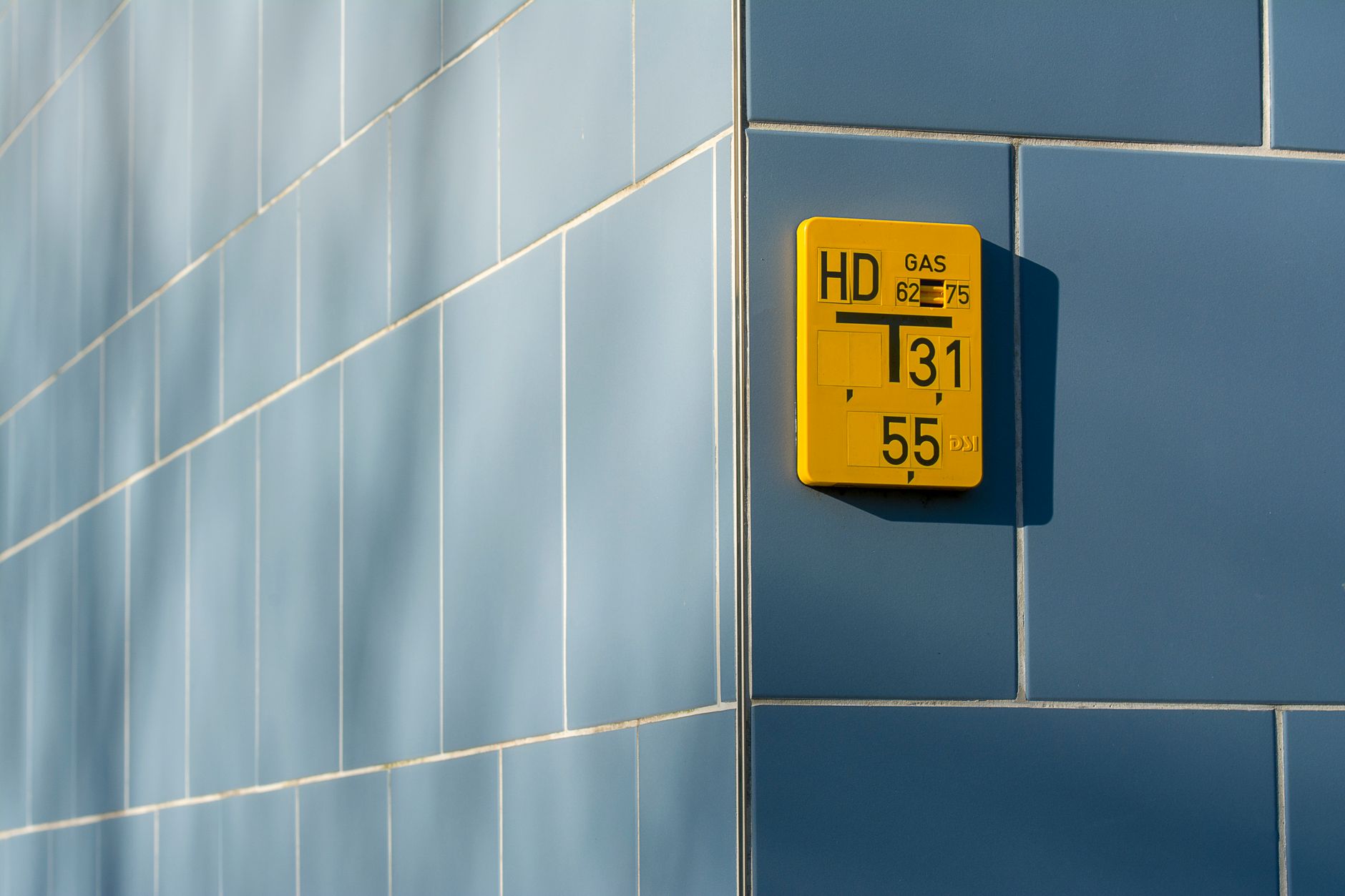
Antwerp gas-meter tampering sentence turns energy fraud into a household-safety warning
A court case in Antwerp has put a hard number on a familiar but often hidden risk: two years in prison for tampering with a gas meter after the manipulation led to an explosion on Sint-Jansplein. The case is not just a criminal matter. It touches the regulated energy network, landlord and tenant obligations, insurance exposure, and the cost of unsafe shortcuts at a time when household energy bills remain a pressure point in Belgium.
For households, the practical lesson is direct: a gas meter is not a household appliance that can be adjusted to save money. It is part of the public energy network. If someone bypasses or manipulates it, the consequences can go well beyond a back bill or administrative charge. In a dense city square such as Sint-Jansplein, a gas leak or explosion can affect neighbouring apartments, shops, passers-by and public services. For landlords and small businesses, the case is a reminder that unexplained meter work, unusual gas smells, damaged seals or suspicious consumption patterns are not minor maintenance issues. They can become insurance, liability and continuity risks.
The subject is the Antwerp criminal case reported by VRT NWS: a person received a two-year prison sentence for tampering with a gas meter in a way that led to an explosion on Sint-Jansplein in Antwerpen. The business and economic centre of gravity is the natural-gas distribution system: meters are part of a regulated infrastructure operated in Flanders by Fluvius System Operator cv, KBO 0477.445.084, under the Flemish energy-regulation framework overseen by VREG. Meter manipulation can be treated as energy fraud, but the Antwerp case shows the wider risk: an unsafe intervention can create a gas leak, damage property, endanger residents and bystanders, and shift costs onto insurers, landlords, neighbours, emergency services and the network operator.
Background
Belgium’s gas system has long been built around regulated infrastructure, with a legal separation between suppliers, network operators and consumers. That structure is meant to keep billing, safety and access transparent. The pressure point is that energy poverty and high bills can create incentives for fraud, while the technical risk remains unforgiving. The Flemish energy market has also moved through smart-meter rollout, supplier switches and post-2021 price volatility, but the basic rule has not changed: only authorised technicians should work on meters and gas connections.
Impact
Regional — The impact is strongest in Antwerpen, where older multi-unit buildings, ground-floor businesses and dense residential streets make gas safety a shared risk. Sint-Jansplein is not an isolated rural setting: any disruption there can involve neighbours, customers, emergency access and local commercial activity.
Opposing perspectives
- Prosecutors and safety authorities
For prosecutors, fire services and energy-safety authorities, the core issue is deterrence. A manipulated gas meter is not just a theft mechanism; it can become an ignition risk in a shared building. From this view, a prison sentence signals that endangering neighbours and emergency responders must be treated more seriously than an ordinary unpaid bill.
- Energy-poor households and social advocates
Social organisations working with indebted households are likely to stress the context behind some energy fraud: high bills, arrears and fear of disconnection can push vulnerable residents toward dangerous choices. That does not excuse tampering, but it supports stronger early debt mediation, social tariffs where eligible and safer routes for households in payment trouble.
- Landlords, insurers and small businesses
Property owners, insurers and nearby shopkeepers view the risk through liability and interruption costs. Even if they were not involved in the manipulation, they may face repairs, loss of rental income, damaged stock, temporary closure or insurance disputes. Their priority is clear access to inspection, reporting and recovery procedures.