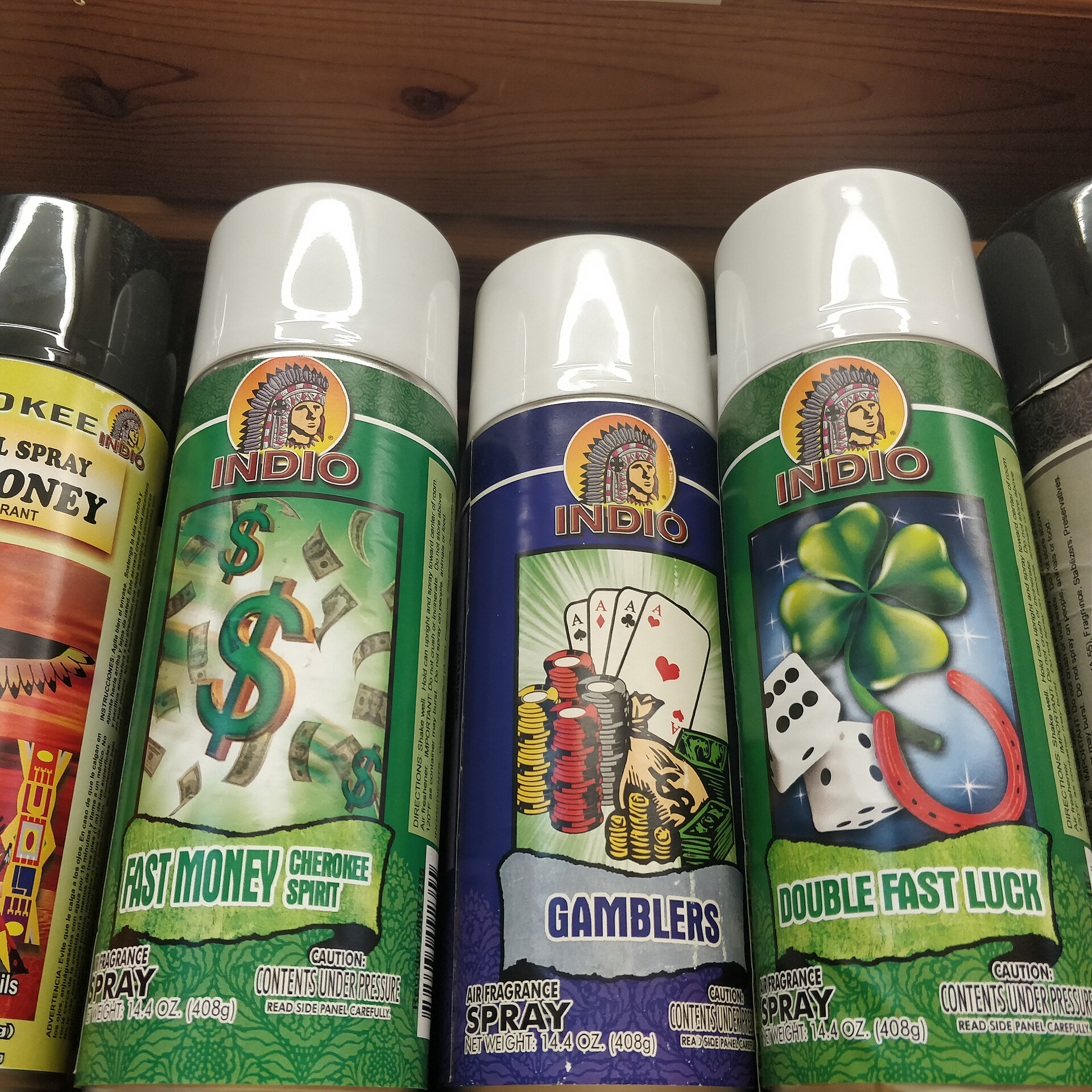
Belgian households cut odours best by removing the source
A household tip item about avoiding chemical air fresheners points to a wider indoor-air lesson: the most reliable way to deal with bad smells is to remove the source, clean absorbent surfaces and ventilate, rather than add another scent layer. The U.S. Environmental Protection Agency says air fresheners, aerosols, cleansers and other household products can emit volatile organic compounds, with many VOC levels higher indoors than outdoors. A 2016 Air Quality, Atmosphere & Health paper by Anne Steinemann found that fragranced consumer products can trigger reported health effects in a sizeable minority of surveyed adults, while a 2025 Purdue University study reported that scented wax melts generated ultrafine particles in a home-like test environment. For Belgian residents, the practical takeaway is modest but useful: tackle bins, drains, damp textiles and cooking residue first, use fragrance-free cleaning where possible, and air rooms without treating scent as cleanliness.
This is mainly for Belgian households, tenants, parents, students in kots, older residents and people with asthma or scent sensitivity. Belgian homes often balance ventilation against energy costs, damp weather and compact urban living, so masking smells can become a habit. The U.S. Environmental Protection Agency says source removal and ventilation reduce VOC exposure; that makes the advice practical, not merely aesthetic. It also matters for consumers comparing scented sprays, plug-ins, candles and wax melts in Belgian supermarkets or online shops.
Nieuwsblad (Flemish daily newspaper owned by Mediahuis) supplied the lifestyle lead on odour control without chemical air fresheners. The U.S. Environmental Protection Agency (federal environmental regulator in the United States, created in 1970) maintains consumer guidance on volatile organic compounds in indoor air. The World Health Organization (United Nations health agency founded in 1948) publishes global guidance on household air pollution and clean indoor energy. Purdue University (public research university in Indiana, United States, founded in 1869) runs indoor-air experiments including home-like test chambers for everyday products. Anne Steinemann (civil and environmental engineering researcher at the University of Melbourne and James Cook University) studies fragranced consumer products and indoor exposures. The European Chemicals Agency (EU chemicals regulator based in Helsinki, created in 2007) administers parts of EU chemical-labelling systems. Regulation (EC) No 1272/2008, the CLP Regulation (EU classification, labelling and packaging law), governs hazard labelling for many chemical mixtures sold in Belgium.
Background
Modern air fresheners grew from mid-20th-century aerosol and fragrance products, then shifted after concerns about chlorofluorocarbon propellants in the 1970s and 1980s. The European consumer debate is older than current wellness marketing: a 2005 BEUC report tested air fresheners sold in Europe and raised concerns about emitted chemicals, and the European Commission's scientific committees later reviewed those claims. Since then, indoor-air science has moved from single ingredients to chemistry inside rooms, including terpene reactions with ozone and particle formation from scented consumer products.
Why now
The lead item turns a seasonal household concern into a timely practical question, while recent indoor-air research on scented wax melts and fragranced products gives the advice a stronger evidence base than ordinary cleaning folklore.
What to watch
Watch for clearer EU consumer guidance on fragranced household products, more product tests under real-home ventilation conditions, and whether retailers expand genuinely fragrance-free ranges rather than only marketing products as natural or fresh.
Sources & evidence
- Nieuwsblad, "Vijf slimme manieren om nare luchtjes te bestrijden zonder chemische luchtverfrissers"
- U.S. Environmental Protection Agency, "Volatile Organic Compounds' Impact on Indoor Air Quality" · 2025-07-24
- World Health Organization, "Household air pollution" · 2025-12-16
- Anne Steinemann, "Fragranced consumer products: exposures and effects from emissions", Air Quality, Atmosphere & Health, · 2016-10-20
- Health.com, "These Scented Products Pollute Indoor Air Even More Than Candles, Study Shows" · 2025-03-04
- People, "Scented Wax Melts Create Particles in Indoor Air" · 2025-02-17
- Regulation (EC) No 1272/2008 on classification, labelling and packaging of substances and mixtures · 2008-12-31