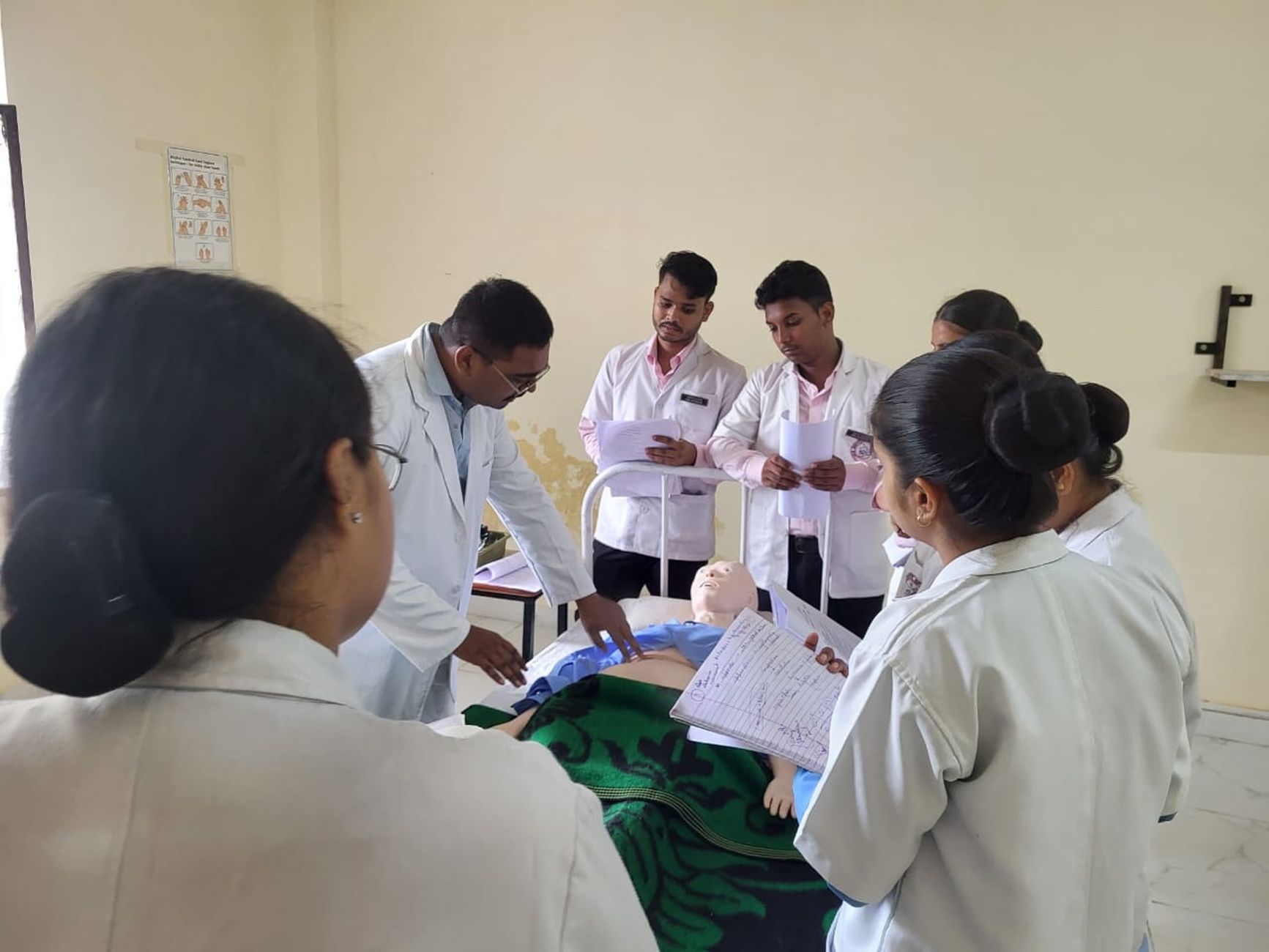
Can a new Hainaut healthcare course ease Belgium’s staffing squeeze?
A new healthcare training pathway reported in Hainaut for the next rentrée is a local answer to a national and European problem: care services need more staff, while Belgium’s ageing population is increasing demand for day-to-day health support. For readers in Wallonia, Brussels and Belgium’s EU community, the practical question is not only whether the course opens places, but whether it leads to recognised qualifications, internships and jobs in hospitals, residential care and home-care services. La DH reports the new formation soins sante as a response to a secteur forte demande; the wider evidence from the SPF Santé Publique, Statbel and the European Commission shows why such initiatives are becoming part of Belgium’s health resilience strategy.
For a Belgium-based reader, this matters because training capacity is one of the few levers that can act before shortages become cancelled shifts, closed beds or longer waits for care. Hainaut is not an isolated case: Wallonia’s older population is growing, Belgium’s care system relies heavily on nurses and support staff, and the EU is warning that shortages of doctors, nurses and midwives are a structural European challenge. A new course can help only if students can enter it, complete internships, obtain a recognised credential and find decent work afterwards.
The subject is a reported new healthcare training offer in Hainaut, in Wallonia, due from the next academic rentrée. The named institutional landscape around the story includes the Province of Hainaut, the Wallonia-Brussels Federation education system, Le Forem as Wallonia’s employment and training actor, the SPF Santé Publique for health workforce planning, Walloon healthcare employers such as hospitals, residential-care operators and home-care services, and the European Commission’s Directorate-General for Health and Food Safety, which frames health workforce shortages as an EU-wide resilience issue.
Background
Belgium’s healthcare workforce debate has moved from emergency recruitment during the COVID-19 period to a longer question of workforce planning. The SPF Santé Publique’s HWF nursing labour-market work links professional registers, INAMI data and labour-market data to understand age, region, activity and sector. That reflects a shift from counting diplomas to asking whether qualified people are actually working in care, in which region, and under what conditions.
Impact
Regional — In Hainaut, the immediate impact is practical: prospective students, jobseekers and workers considering retraining may have another local route into healthcare. Employers in Mons, Charleroi, La Louvière, Tournai and smaller municipalities could benefit if the programme is linked to real placement capacity. The risk is that training announcements raise expectations faster than hospitals and care homes can provide tutors, internships and stable posts.
Opposing perspectives
- EU health-resilience perspective
The European Commission frames staffing shortages as a system-wide resilience problem, not just a school-placement problem. In its Health at a Glance 2024 announcement, it said action is needed through investment, improved working conditions and more training opportunities. That framing supports Hainaut nouvelle formation initiatives, but it also implies that training alone is insufficient if graduates leave the sector.
- Belgian workforce-planning perspective
The SPF Santé Publique takes a data-led planning view. Its HWF nursing report says it provides a detailed description of nurses’ activity by age, sex, region, community, diploma, sector and status. That differs from a simple local jobs narrative: Belgium’s core issue is not just producing diplomas, but knowing where qualified people actually work and whether they remain active in care.
- Students and retraining candidates
For jobseekers, adult learners and young people in Hainaut, a nouvelle formation soins path can be attractive because healthcare offers visible employment demand and social purpose. Their practical concern is narrower: admission conditions, schedule, transport, unpaid internship time, childcare and whether the qualification is recognised by employers across Wallonia and Brussels.
- Hospitals, care homes and home-care employers
Employers are likely to welcome any formation soins sante that expands the recruitment pool in a secteur forte demande. Their constraint is capacity: trainees need supervised placements, and already stretched teams may struggle to mentor students unless staffing, funding and rota planning are aligned.
Sources & evidence
- La DH - Hainaut : Une nouvelle formation en soins de santé dès la rentrée · 2026-05-30
- SPF Santé Publique - HWF Infirmiers sur le marché du travail 2019-2021 · 2024-03-08
- European Commission - Country Health Profiles 2025 · 2025-12-11
- European Commission - Health at a Glance Europe 2024 announcement · 2024-11-18
- Statbel - Structure of the population on 1 January 2026 · 2026-06-10