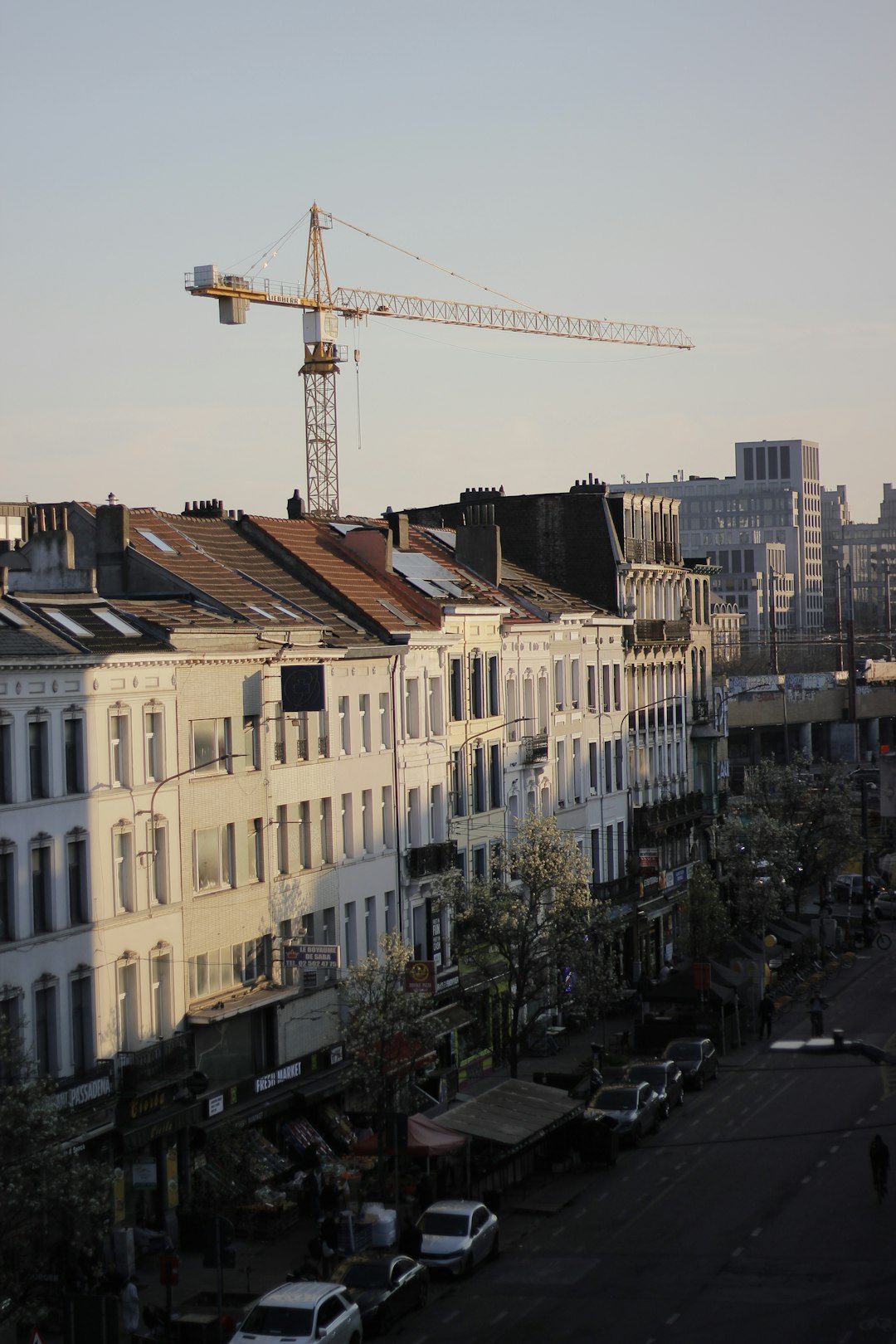
Can Brussels build its way out of the housing crisis?
The practical takeaway for residents is simple: in Brussels, the housing crisis is not only about finding a flat, but also about understanding who can legally create, divide, renovate or densify homes. If you are buying, renovating, splitting a house into flats, converting office space, or considering a co-living project, start with the urban-planning service of the relevant commune/gemeente, then check regional rules through urban.brussels, be.brussels, Homegrade and Bruxelles Logement. The current debate, captured by the French-language call “donnez-nous juste le droit de construire”, reflects a real frustration among developers, owners and some housing advocates: Brussels needs more homes, but every project sits inside a dense legal, heritage, environmental and neighbourhood framework. For expats and internationally mobile residents, the useful question is not “can I build?” but “which permit, which language, which authority, and which risks apply before I sign?”
For renters, limited supply and slow housing production mean more competition, higher deposits, faster decision-making and less room to negotiate. For buyers and owners, the key risk is legal: an attractive attic conversion, basement studio, rear extension or divided maison de maître in Saint-Gilles, Ixelles/Elsene, Schaerbeek/Schaarbeek or Forest/Vorst may not be lawful unless the permits and housing-quality standards are in order. For newcomers, the Brussels market rewards preparation. Before making an offer or signing a long lease, ask for the urbanistic information, check whether the number of recognised housing units matches reality, and confirm whether works were authorised.
The subject is the Brussels housing supply squeeze and the practical rules that shape whether new or renovated homes can actually be delivered. Housing is a regional competence in Belgium, but Brussels is also divided into 19 bilingual municipalities, each with its own urban-planning counter. A planning permit, or permis d’urbanisme/stedenbouwkundige vergunning, may be needed for building, renovating, changing a property’s use, dividing a single-family house, altering a facade, installing some technical equipment, or working on protected heritage. The Region’s Bruxelles Logement administration deals with housing policy and quality standards, while urban.brussels handles planning and heritage expertise. Homegrade offers free advice to residents on renovation, permits, energy choices and available support.
Background
Brussels has long struggled to balance growth with protection of its urban fabric. Post-war development and the trauma associated with “Bruxellisation” made many residents wary of large-scale demolition and speculative building. Later, regional planning tools such as the PRAS/GBP and the CoBAT/BWRO sought to control land use, heritage and public consultation. Today’s debate is the reverse side of that history: the same safeguards that protect streetscapes, light, green space and neighbourhood identity can also slow densification when demand for housing rises faster than supply.
Impact
Regional — This is a Brussels-region story. The impact is strongest in high-demand communes such as Ixelles/Elsene, Saint-Gilles/Sint-Gillis, Etterbeek, Schaerbeek/Schaarbeek, the City of Brussels/Ville de Bruxelles, Uccle/Ukkel and Woluwe-Saint-Lambert/Sint-Lambrechts-Woluwe, but affordability pressure also affects canal-side and north-western neighbourhoods where new residential projects are politically sensitive.
Opposing perspectives
- Developers, architects and pro-supply housing advocates
This constituency argues that Brussels cannot solve the crise logement without allowing more homes to be built, converted or added within the existing city. Their case is that slow permits, fragmented commune-level procedures, objections to height or density, and uncertainty over rules make projects more expensive and discourage smaller owners as well as larger builders. The phrase “donnez-nous juste le droit de construire” expresses this supply-side frustration.
- Neighbourhood committees, heritage groups and environmental associations
These groups do not necessarily oppose housing, but they argue that construction rights must be balanced against daylight, green space, water management, heritage, school capacity, mobility and quality of life. In their view, badly planned densification can produce small, expensive units, destroy older buildings, or move pressure onto already crowded streets without delivering genuinely affordable homes.
- Tenants’ groups and social-housing advocates
Tenant and anti-poverty organisations tend to stress that more construction alone will not automatically produce affordable homes. They point to waiting lists, overcrowding, rent burdens and eviction risk, and argue for public housing, rent support, anti-discrimination enforcement, quality controls and social conditions on private development.
Sources & evidence
- La Libre Belgique — Crise du logement à Bruxelles : donnez-nous juste le droit de construire ! · 2026-06-03
- Région de Bruxelles-Capitale — Permis d'urbanisme et d'environnement
- Région de Bruxelles-Capitale — Accompagnement des travaux
- IBSA — Logement · 2026-02-26
- perspective.brussels — Logement / Observatoire de l'Habitat
- SPF Finances — Construire et rénover