Can Ghent’s social tenants share fairly in the energy transition?
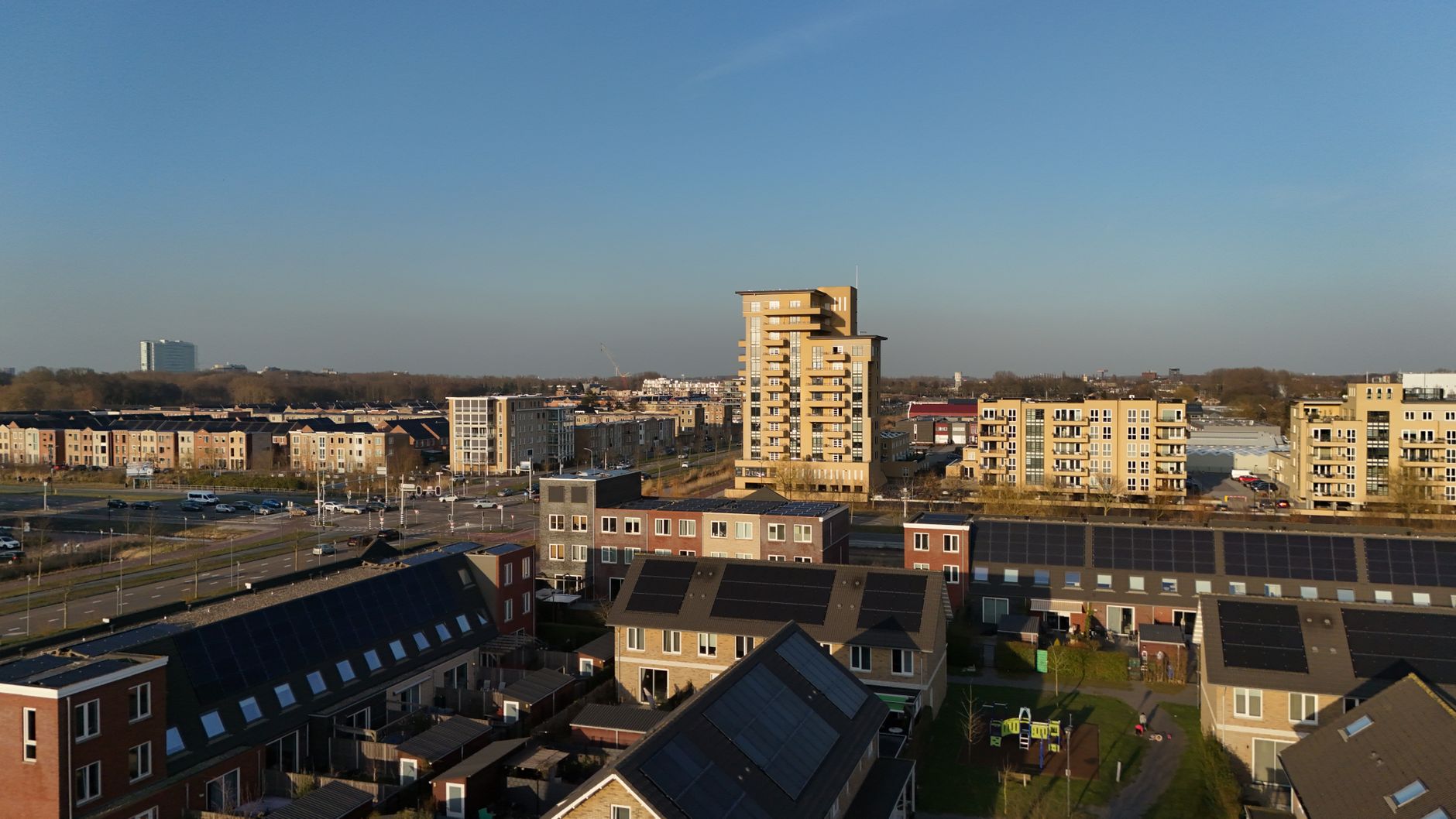
In Ghent, a new UGent-linked discussion around the Watersportbaan district puts a practical problem at the centre of the energy transition: Thuispunt Gent manages more than 10,000 social homes across the city, but many tenants cannot make the basic investment choices that owner-occupiers can, such as installing rooftop solar panels. The VRT NWS report on residents of the Gentse Watersportbaan captures the issue in one sentence: a social tenant cannot simply put zonnepanelen on the roof. The business question is not whether solar power, insulation or energy sharing are useful. Flemish government guidance says solar panels remain attractive because they reduce dependence on suppliers and price swings, and the European Commission says buildings account for around 40% of EU energy consumption. The harder question is who can act, who pays upfront, and who receives the saving. For residents in social housing, the energy transition is filtered through ownership, building management, renovation budgets, waiting lists and trust. That makes the Watersportbaan stem energietransitie debate a local version of a much wider market failure: the households with the strongest need for lower bills often have the least direct control over the assets that could lower them.
For a Belgian household, the issue lands on the monthly energy bill rather than in climate-policy language. An owner with a suitable roof can weigh panels, insulation, a heat pump or a renovation loan. A sociale huurder zonnepanelen decision is different: the tenant normally does not own the roof, cannot approve works on common parts, and may not capture the full benefit of a building-level investment. For social housing companies, meanwhile, every euro spent on solar, insulation or heating systems competes with urgent maintenance, new construction and renovation backlogs. The result is a slower, more institutional energy transition for low-income tenants than for homeowners, unless policy designs explicitly solve the ownership and financing gap.
The subject is the intersection between social housing and household energy investment in Ghent’s Watersportbaan area. UGent-onderzoek geeft bewoners and local actors a way to describe what is often missing from climate policy: tenant voice. The key entities are UGent researchers, bewoners Gentse Watersportbaan, Thuispunt Gent as the city’s social housing company, the Flemish government’s energy and renovation support framework, Fluvius as grid operator for solar registration, and the Vlaamse Nutsregulator for market oversight. The central economic issue is split incentives: the landlord or housing company owns the building and makes capital decisions, while tenants pay energy bills and experience comfort, humidity, heating and affordability problems day to day.
Background
Belgium’s housing wealth has long been built around ownership, mortgage access and private renovation. Energy policy followed that pattern: many incentives work best for households that own a building, can pre-finance works, and can wait for payback over years. Social housing sits outside that model. Tenants are protected by regulated rents and income rules, but they also have limited investment agency. Since the 2021-2022 energy-price shock, the policy emphasis has shifted from temporary bill support toward structural efficiency, but the Watersportbaan case shows that structural measures are harder when the household paying the bill is not the actor controlling the building.
Impact
Regional — The direct regional impact is in Ghent and Flanders. Ghent’s Watersportbaan is a visible social-housing and high-rise neighbourhood, while Flemish energy and housing rules determine which renovations qualify for support, how social landlords invest, and how tenants are protected. The case also matters for other Flemish cities with large apartment blocks, including Antwerp, Leuven, Mechelen and the Brussels periphery, where collective roofs, shared meters and mixed ownership can complicate the business case for solar and deep renovation.
Opposing perspectives
- Social tenants and neighbourhood organisations
Residents want lower bills, healthier homes and a real say before renovation decisions are made. Their practical objection is that energietransitie sociale huurder policy often assumes personal control that tenants do not have. A tenant can change habits, report problems or join consultation, but cannot decide alone to insulate the facade, replace a collective heating system or install panels on a shared roof.
- Social housing companies such as Thuispunt Gent
Housing companies face a portfolio-wide investment problem. Solar panels or insulation can reduce long-term costs, but the same budget must also cover safety, lifts, damp, major maintenance, new construction and legal quality standards. They also need financing models that do not improve one group of tenants while delaying urgent works for another.
- Flemish energy and housing policymakers
The policy argument is that public money should push the worst-performing homes toward lower consumption while protecting vulnerable households from rent shocks. That means premiums, loans and EU-backed renovation plans need to work for apartment blocks and social landlords, not only for owner-occupiers with detached roofs and savings.
- Energy-sector and grid actors including Fluvius and suppliers
Grid and market actors generally support more local renewable production, but collective solar in apartment blocks needs metering, registration, data flows and fair allocation of benefits. If energy sharing is too complex or the saving is unclear, adoption slows even when the technology itself is mature.
Sources & evidence
- VRT NWS - UGent-onderzoek geeft bewoners Gentse Watersportbaan een stem in energietransitie
- Thuispunt Gent - Home page and housing portfolio statement
- Vlaanderen.be - Zonnepanelen
- Vlaanderen.be - Mijn VerbouwPremie
- European Commission - Energy Performance of Buildings Directive
- Vlaamse Nutsregulator - Nutsmarkt in cijfers · 2026-02-06
- Bielig, Kacperski and Kutzner - Increasing retrofit device adoption in social housing: evidence from two field experimen · 2024-03-21