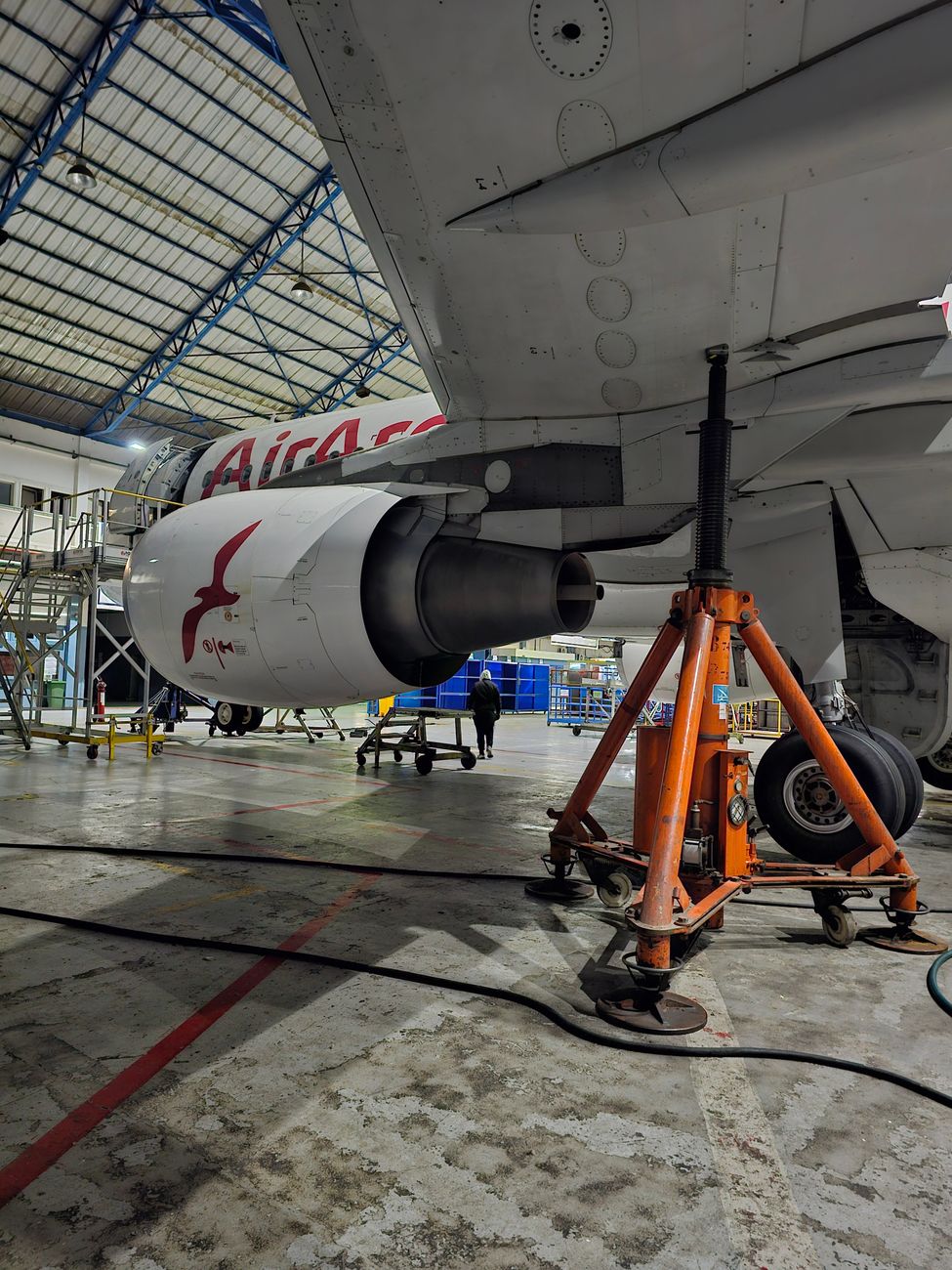
Charleroi adds a teaching aircraft to show students aeronautics jobs up close
CHARLEROI, 13 June 2026, 00:00 UTC — A teaching aircraft has been installed in Charleroi to help learners discover aeronautics trades, RTBF reported. The project gives students a concrete way to understand aircraft maintenance, airport operations and technical careers in a region where aviation remains a major employment sector.
For pupils, jobseekers and families in the Charleroi area, the project turns aeronautics from an abstract sector into visible work: mechanics, safety checks, ground handling, logistics and airport support. For training providers, it is a practical recruitment tool at a time when technical sectors compete for skilled workers.
The subject is a didactic aircraft in Charleroi: a real or adapted aircraft used as a training and orientation tool. According to RTBF, its purpose is to help young people apprendre metiers aeronautique through direct contact with aircraft systems and professional gestures rather than only classroom explanation.
Background
Gosselies has had aeronautical activity for more than a century, from early flight training and aircraft maintenance to companies such as Sonaca. Charleroi’s recent economic strategy has also leaned on technical education, airport activity and advanced industry to rebalance an economy long associated with heavy industry.
Impact
Regional — The impact is mainly Walloon and local. Charleroi already has an airport, aviation firms and training sites around Gosselies, so the aircraft fits into an existing regional ecosystem rather than creating one from scratch.
Opposing perspectives
- Training providers and aviation employers
Training bodies and aeronautics employers see a didactic aircraft as a direct way to attract learners into technical jobs. Their priority is to make aircraft work visible, hands-on and credible for students who do not yet know the sector.
- Students and families comparing career routes
Students and families judge the project by outcomes: whether it leads to clear courses, internships and jobs. For them, the aircraft is useful only if it connects discovery activities with concrete training places and accessible entry requirements.