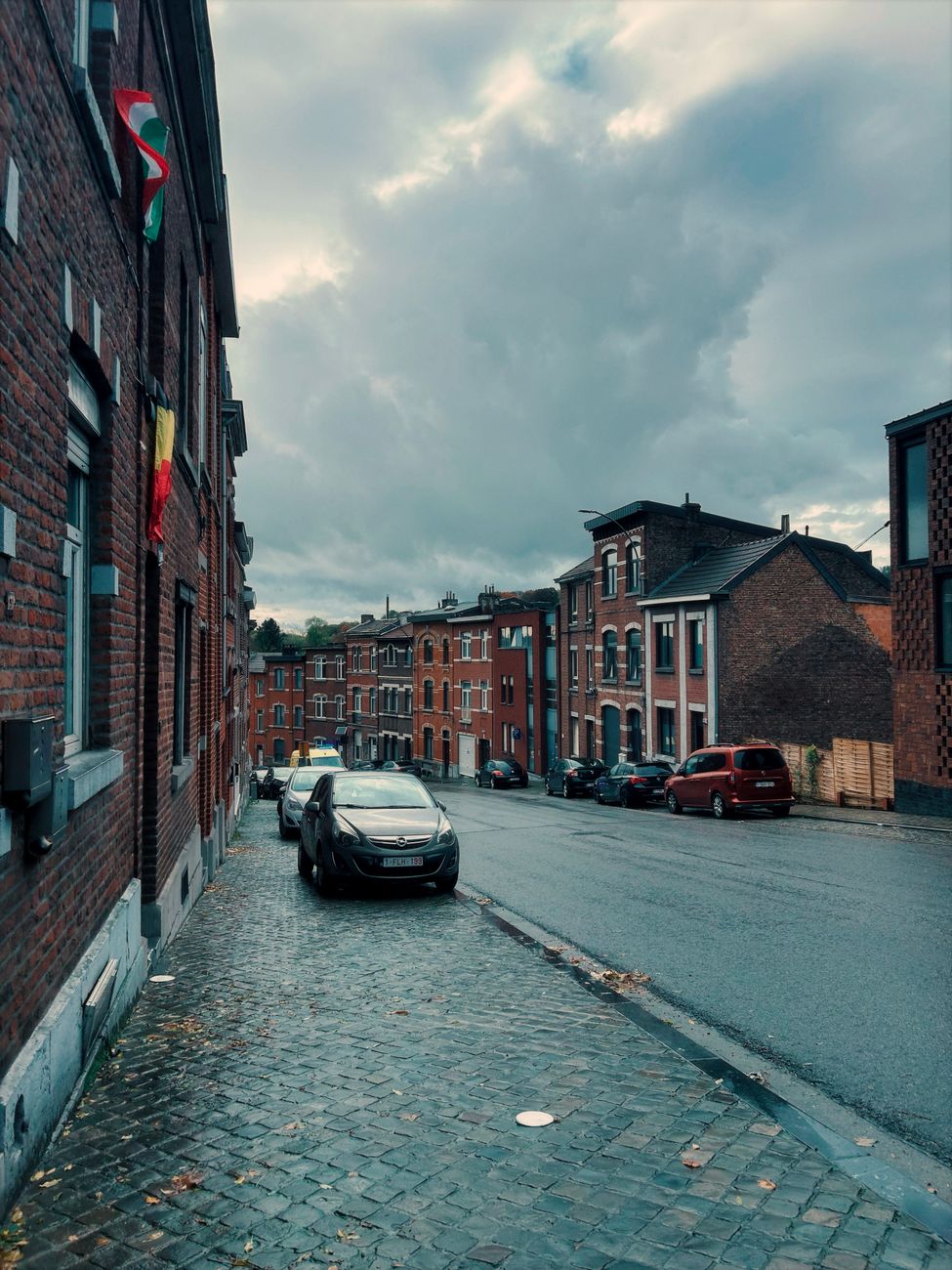
Could Liège’s Saint-Léonard housing project still change before it is built?
A proposed mix of kots and logements near the esplanade Saint-Léonard has reopened a familiar Liège question: how to add student and city-centre housing without weakening one of the neighbourhood’s most important public spaces. The practical takeaway is simple: residents, students and landlords should treat this as an urban-planning file still shaped by permits, municipal scrutiny and possible adaptations, not as a finished building site.
For people living in or moving to Liège, the file matters because it sits at the intersection of student housing supply, neighbourhood liveability and the protection of a major public space. It is also a practical reminder that in Wallonia the permit process, not a property headline, determines what can actually be built.
The subject is a proposed housing development near Liège’s esplanade Saint-Léonard combining student kots and other logements. The key named entities are the Ville de Liège, the Saint-Léonard neighbourhood, the Walloon urban-planning framework under the Code du Développement territorial, and residents and students who use or live around the esplanade.
Background
Saint-Léonard’s esplanade has a long urban history, from defensive water infrastructure to the former Saint-Léonard prison site and then to a public park and esplanade. That history explains why residents often see the space as civic infrastructure, not merely vacant land beside which new housing can be placed.
Impact
Regional — The impact is local to Liège and Wallonia: the project concerns a French-speaking urban neighbourhood governed by Walloon planning rules and municipal decision-making by the Ville de Liège.
Opposing perspectives
- Students and young renters
Students, exchange students and young workers looking for kots in Liège are likely to see additional rooms near the centre as useful, especially if they reduce pressure at the start of the academic year and are close to ULiège, buses, the tram corridor and city services.
- Neighbouring residents of Saint-Léonard
Residents around Rue Saint-Léonard, Rue Vivegnis, Rue Mathieu Laensbergh and Jonruelle may accept new housing in principle while objecting to overconcentration of student rooms, noise, waste problems, loss of light or a design that weakens the public character of the esplanade.
- City planners and municipal authorities
The Ville de Liège has to balance housing demand with liveability and public-space quality. Its reported hope for adaptations suggests the issue is not necessarily whether housing belongs there, but whether the current design is good enough for the site.
- Developer and property owners
A developer or owner can argue that building kots and logements in a central, transit-served neighbourhood is a rational response to demand and a better use of urban land than pushing students and renters further from services.