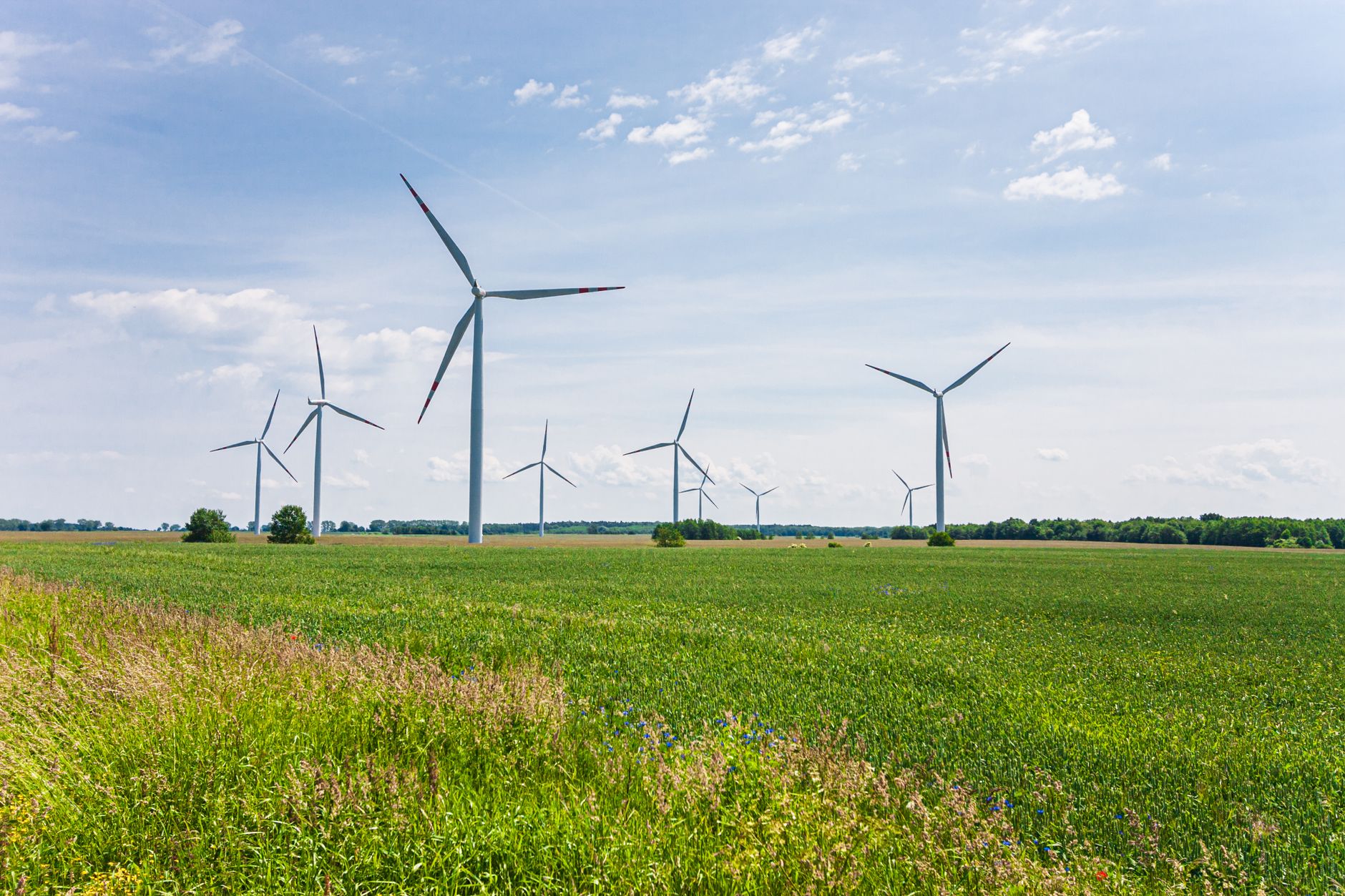
Could Nivelles really see up to 34 wind turbines, and what can residents do next?
The practical takeaway is simple: the refusal of a moratorium by the Nivelles commune does not mean 34 wind turbines will automatically be built. It means residents should prepare for project-by-project procedures, mostly in French, where the decisive moments are the public inquiry, the municipal opinion, the Walloon permit file and any appeal. For people living in Nivelles, nearby villages or across Walloon Brabant, the useful question is less whether one political vote settles the matter than how to follow each dossier, read the plans and submit a timely, admissible comment.
For residents, the issue affects landscape, noise concerns, property perceptions, local climate policy, farming land, electricity infrastructure and trust in commune-level decision-making. For expatriates and newcomers, the key service point is procedural: Belgian communes matter, but they do not operate like a one-stop veto. If a project appears near your home, school run, cycling route or rented property, the action window is usually limited and documentary. You will need the public notice, the plans, the deadline, the language of the file and the exact place or platform where objections must be lodged.
Nivelles is a francophone Walloon commune in Walloon Brabant, south of Brussels, governed locally by the collège communal and conseil communal. According to La DH, up to 34 éoliennes are envisagées around Nivelles and the commune refused a proposed moratorium. In practical terms, a moratorium would have been a political pause or signal, not a substitute for Wallonia's legal planning process. Large wind projects are normally handled through Walloon urban-planning and environmental procedures, often via a permis unique that combines environmental and planning authorisations. The commune can take positions and organise local democratic debate, but the legal file must still pass through formal assessment, public consultation and regional decision channels.
Background
Wallonia has encouraged renewable-energy development for more than a decade, but onshore wind has remained politically sensitive because turbines are physically visible, procedurally complex and often proposed in rural or peri-urban areas. Belgium's electricity policy is split across levels of government: regions handle much of spatial planning and onshore renewable permitting, while federal authorities play a stronger role offshore and in wider electricity-market policy. That institutional split explains why a commune such as Nivelles is central to public debate but not necessarily the final legal authority on every aspect of a wind dossier.
Impact
Regional — The impact is local to Nivelles and neighbouring parts of Walloon Brabant, with possible effects for nearby villages, rural roads and open landscapes. The story is also relevant to residents of other Walloon communes because the same pattern often recurs: energy transition targets are regional, while the most visible costs and disputes are experienced at village and neighbourhood level.
Opposing perspectives
- Nivelles municipal decision-makers opposing a moratorium
The commune's refusal of a moratorium can be read as a preference for handling wind projects through existing legal procedures rather than imposing a broad political pause. This position leaves room to examine each permit file on its merits, including location, noise, landscape, biodiversity, grid connection and local consultation.
- Residents worried about landscape and quality of life
People living near possible turbine zones may see the absence of a moratorium as a loss of protection. Their concerns are often practical rather than ideological: distance from homes, shadow flicker, night lighting, construction traffic, impact on rural views and whether ordinary residents can realistically follow technical French-language permit files.
- Renewable-energy supporters and project developers
Developers and climate-policy advocates are likely to argue that Wallonia needs additional renewable capacity and that properly assessed onshore wind is one of the available tools. Their case depends on showing that projects meet legal standards, include credible local information and do not treat public inquiry as a box-ticking exercise.
- Walloon regional planning authorities
The regional administration must balance local objections with energy, climate, environmental and spatial-planning rules. Its role is not simply to approve or reject a commune's political mood, but to test whether each dossier satisfies the applicable Walloon framework and whether public comments raise material planning issues.