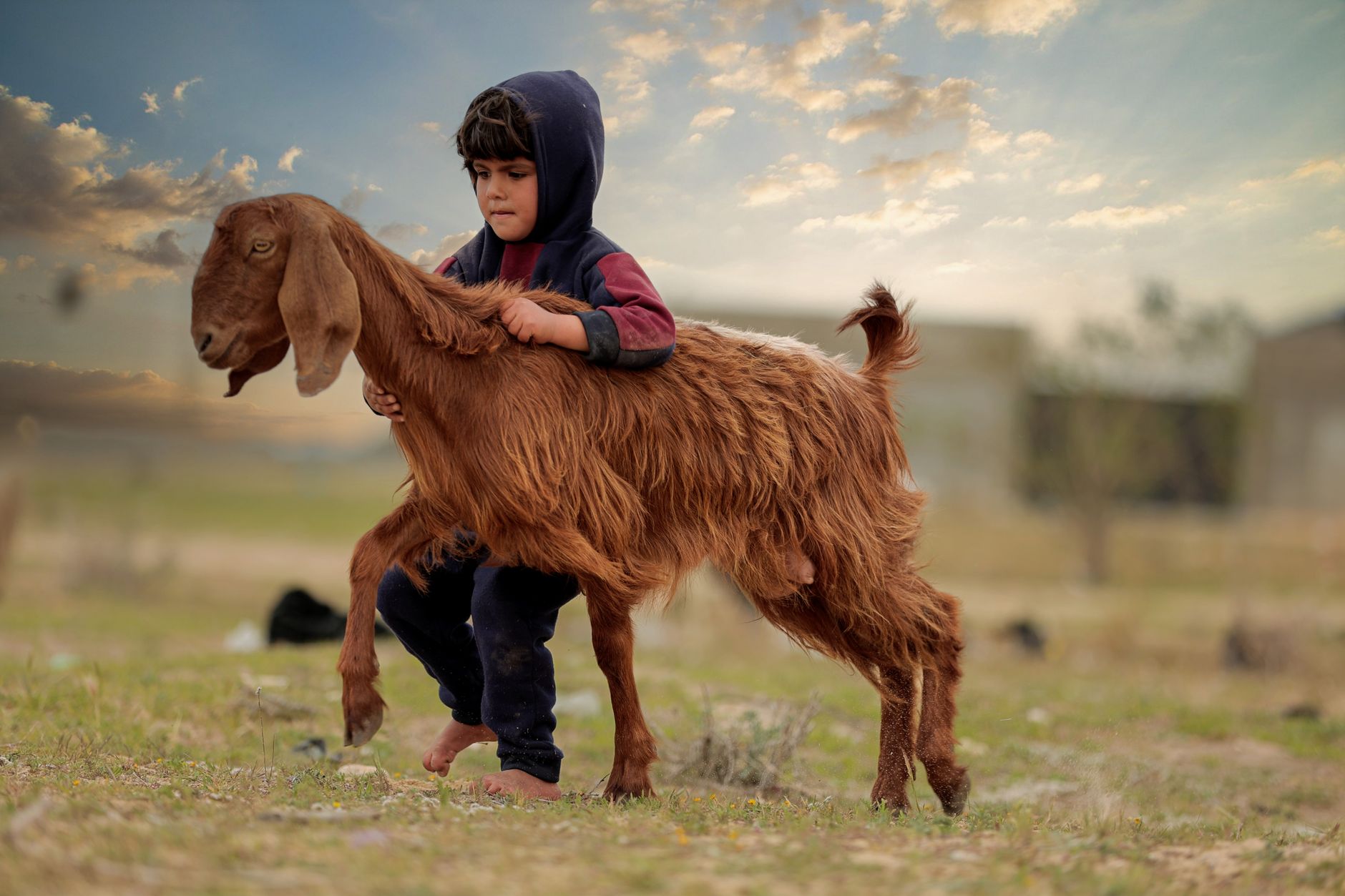
Gaza’s pet owners search for veterinary care as clinics run short
The lead footage shows Gaza residents trying to keep pets alive with little access to veterinary treatment, medicines or specialist supplies as the wider humanitarian system remains under severe strain. The European Commission’s humanitarian service says Gaza’s essential services have collapsed after prolonged hostilities, while the World Organisation for Animal Health says veterinary services are part of public health and disaster preparedness, not a luxury add-on. The story is small in scale beside Gaza’s human toll, but it reveals how war strips ordinary civilian life down to its most fragile dependencies: water, medicine, transport, electricity and professional care. For Belgian and EU readers, the relevance is indirect but real: EU humanitarian policy is already active in Gaza, and One Health frameworks treat animal, human and environmental health as connected systems in crisis response.
For Belgium Pulse readers, this is mainly an international humanitarian story, not a Belgian animal-care story. It matters to policy-engaged Belgian residents, NGOs, veterinarians, donors and EU staff because EU aid policy in Gaza already covers health, water, sanitation, shelter and protection, according to DG ECHO. The veterinary gap shows a less visible part of civilian collapse: when clinics, imports and transport fail, household animals and working animals lose care too, with possible knock-on effects for hygiene, zoonotic-risk monitoring and community resilience.
Gaza Strip (Palestinian coastal enclave of about 2.1 million residents, according to the European Commission’s humanitarian service) is the setting for the veterinary-care shortage shown in the lead footage. Sulala Animal Rescue (Gaza animal welfare organisation founded in 2006 by Saeed Al-Err, according to its public profile) is one of the few named local animal-care structures repeatedly documented during Gaza’s recent wars. Saeed Al-Err (Gaza animal rescuer and founder of Sulala Animal Rescue) has been associated with care for stray dogs, cats and donkeys. European Civil Protection and Humanitarian Aid Operations, or DG ECHO (European Commission department responsible for EU overseas humanitarian aid), funds and coordinates EU humanitarian support in the occupied Palestinian territories. World Organisation for Animal Health, or WOAH (Paris-based intergovernmental animal-health body founded in 1924), sets global standards for veterinary services and animal-health emergency preparedness. One Health (WHO, FAO, UNEP and WOAH framework) links human, animal and environmental health in public policy.
Background
Animal welfare has surfaced repeatedly in Gaza’s conflict history. The public profile of Sulala Animal Rescue says the organisation was founded in 2006 and had expanded by 2022, before the current war forced repeated relocations and interrupted aid shipments after October 2023. A 2023 Gaza cat cafe documented before the war showed pets as part of everyday urban life under blockade. The WOAH disaster-management guidelines place veterinary services within emergency planning, while the 2022-2026 One Health Joint Plan of Action formalised the link between animal health, human health and environmental conditions.
The wider picture
Gaza’s veterinary shortage is a minor but revealing consequence of a larger geopolitical conflict involving Israel, Hamas, Palestinian civilians, regional mediators and Western donors. The centre of gravity remains the war and humanitarian access: when crossings, security guarantees and aid logistics fail, even ordinary civilian services such as pet care become politically dependent on conflict management.
Why now
The story is timely because the 13 June 2026 lead footage documents pet owners facing the veterinary shortage now, while DG ECHO’s current Gaza page still describes catastrophic humanitarian conditions and constrained access for relief partners.
What to watch
Watch whether humanitarian access expands, whether crossings allow more medical and specialist supplies, and whether animal-welfare organisations can re-establish stable clinics or supply lines. EU updates from DG ECHO will indicate whether broader service restoration is improving or stalling.
Opposing perspectives
- Humanitarian triage agencies
DG ECHO’s humanitarian framing puts people’s immediate survival first: health care, food, water, sanitation, shelter and protection dominate because Gaza’s civilian infrastructure is shattered. From this perspective, veterinary care is a secondary need unless it directly affects public health, working animals or disease prevention.
- One Health and animal-welfare specialists
The WHO, FAO, UNEP and WOAH One Health framework argues that animal, human and environmental health cannot be separated cleanly in emergencies. From this view, veterinary collapse is not sentimental marginalia: it weakens disease surveillance, safe animal handling and the social stability that companion and working animals provide.
Sources & evidence
- Al Jazeera - Gaza pet owners struggle to keep animals healthy amid vet crisis · 2026-06-13
- European Commission DG ECHO - Palestine humanitarian page
- World Health Organization, FAO, UNEP and WOAH - One Health Joint Plan of Action 2022-2026 · 2022-10-14
- World Organisation for Animal Health - Guidelines on Disaster Management and Risk Reduction in Relation to Animal Health
- Associated Press - The Gaza Strip gets its first cat cafe, a cozy refuge from life under blockade · 2023-08-17
- Sulala Animal Rescue public profile