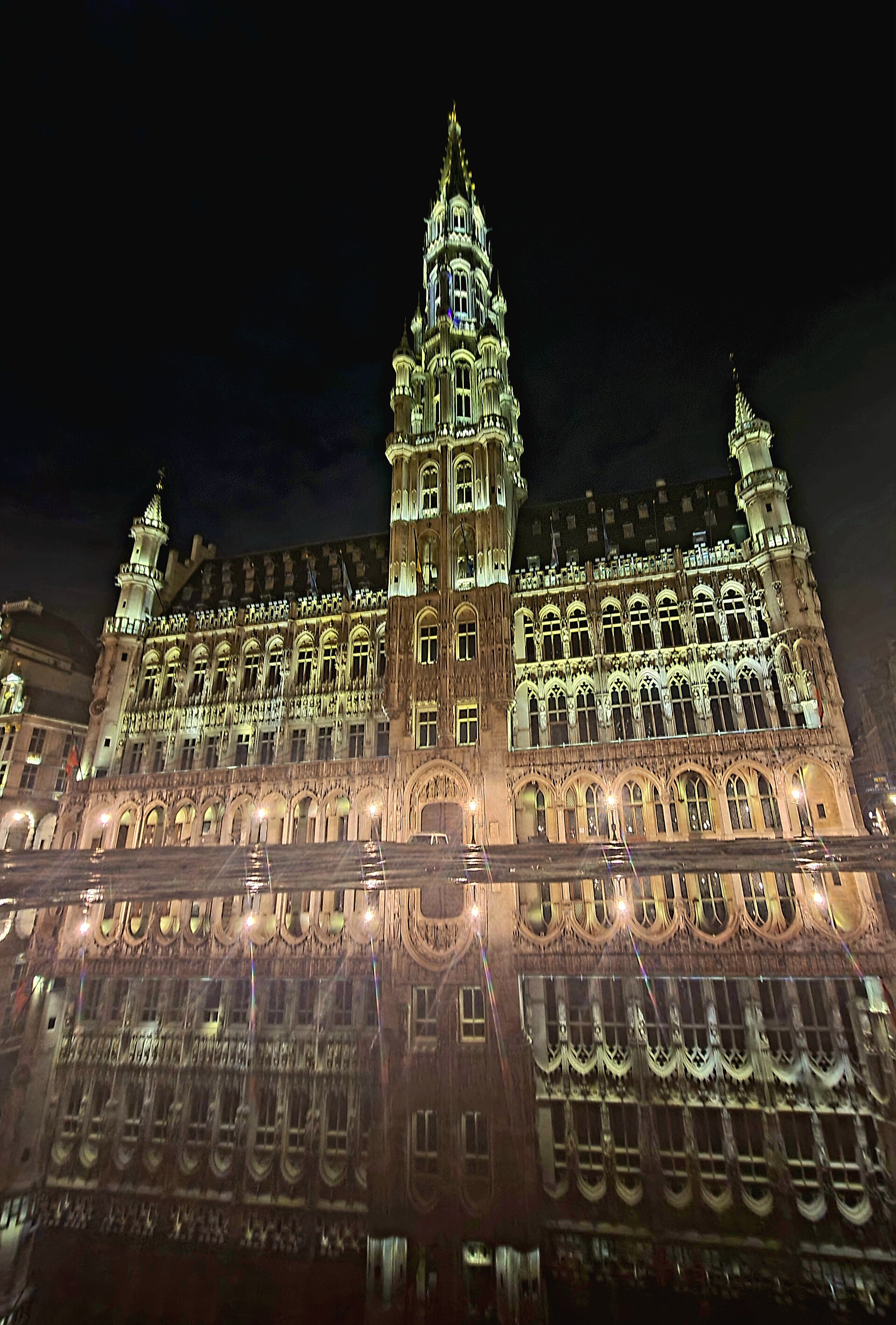
How can you experience Brussels’ Various Voices LGBTQI+ choir festival this week?
Practical takeaway: from 24 to 28 June 2026, Bruxelles becomes a five-day hub for the festival Various Voices, with around 120 LGBTQI+ choirs and about 4,000 singers from 18 countries. If you want the easiest entry point, start with the free daytime concerts at Brussels City Hall, the Vaux Hall and street stages around the centre; if you want the full festival experience, check ticketed shows at Bozar, Cirque Royal, La Madeleine and ING Arena. The key practical move is to use the official Various Voices programme by day and location, then plan around central Brussels rather than one single site.
For residents, newcomers and visitors, the festival is both a cultural event and a practical way into Brussels’ multilingual civic life. It offers a low-barrier route to see international choirs without needing to know the city’s concert circuit: free lunchtime performances, public-space concerts and ticketed evening shows sit alongside each other. For LGBTQI+ communities, allies and culturally curious expats, it also turns Brussels’ usual Pride visibility into a different format: less parade, more collective singing, public venues and encounters across languages.
Various Voices Brussels 2026 is the European LGBTQI+ choir festival hosted this year in the City of Brussels commune, also known in Dutch as Stad Brussel. The event is organised by the ASBL Various Voices Brussels 2026, rooted in the Brussels choir Sing Out Brussels!, with support from the European LGBTQI+ choir network Legato and local cultural partners. It combines choral concerts, evening shows, public performances, guided musical visits inside City Hall, a Festival Village near Place Royale and late-night events. The main public venues named by the organisers and the City of Brussels include Bozar, Cirque Royal, La Madeleine, ING Arena, Brussels City Hall, Vaux Hall, Place Sainte-Catherine, the Bourse/Rue du Midi area and Mont des Arts.
Background
Various Voices began in Cologne in 1985 and is held every four years in a different European city. That history matters because the festival is not only a concert series: it comes from a European queer choral tradition that used music to create public visibility at a time when LGBTQI+ rights, family recognition and anti-discrimination protections were far less secure than they are in Belgium today. Brussels’ 2026 edition also lands in a city where LGBTQI+ cultural visibility is already anchored by Brussels Pride, RainbowHouse Brussels, queer nightlife and bilingual community associations.
Impact
Regional — The direct impact is concentrated in central Brussels, especially the City of Brussels commune around the Grand-Place, Mont des Arts, Place Royale, Parc de Bruxelles, the Bourse area and the inner-city cultural venues. Expect more pedestrian movement around concert times, fuller cafés and restaurants near Bozar and Cirque Royal, and a more visible LGBTQI+ cultural presence in public space. Because the venues are spread through the centre, the practical advice is to rely on walking, STIB-MIVB metro, tram and bus links, and to leave time between events rather than treating the festival as a single-site show.
Opposing perspectives
- Festival organisers and LGBTQI+ choirs
For the organisers, participating choirs and many LGBTQI+ associations, the festival is a cultural celebration with a civic purpose: making queer lives visible through music, building solidarity across countries and giving residents an accessible way to encounter LGBTQI+ culture outside nightlife or protest settings.
- Residents and city-centre businesses
Many residents, restaurants and cafés may welcome the extra footfall, especially around Mont des Arts, Place Royale and the Grand-Place. Their practical concern is not the festival’s message but the usual Brussels event questions: crowd flow, noise late in the evening, public transport, and whether visitors can find clear information in French, Dutch and English.
- Public-safety and anti-discrimination actors
For safer-event organisations and equality bodies, the vandalism reported before the festival underlines why visible inclusion still needs concrete safeguards. Their focus is likely to be prevention, clear reporting channels, support for witnesses and victims, and avoiding a situation where intimidation pushes cultural events out of public space.