How should expats use Genk while 500 sporting scientists arrive for the Atomiade?
Practical takeaway: if you live in or are visiting Genk, treat the Atomiade as a modest but visible multi-day sports-and-science gathering, not a city-wide disruption. A local Dutch-language report says 500 sportieve wetenschappers strijken neer in Genk for the Atomiade, described as the atomiade eerste keer in Limburg. For international residents, the useful response is simple: check SportinGenk schedules before using municipal sports facilities, plan local buses through De Lijn, and use Genk's visitor pages for cycling, Thor Park and accommodation information. The wider story is less about elite sport than about how Limburg markets itself: former mining sites, cycling infrastructure and university-linked innovation are increasingly packaged together as a liveable, active region.
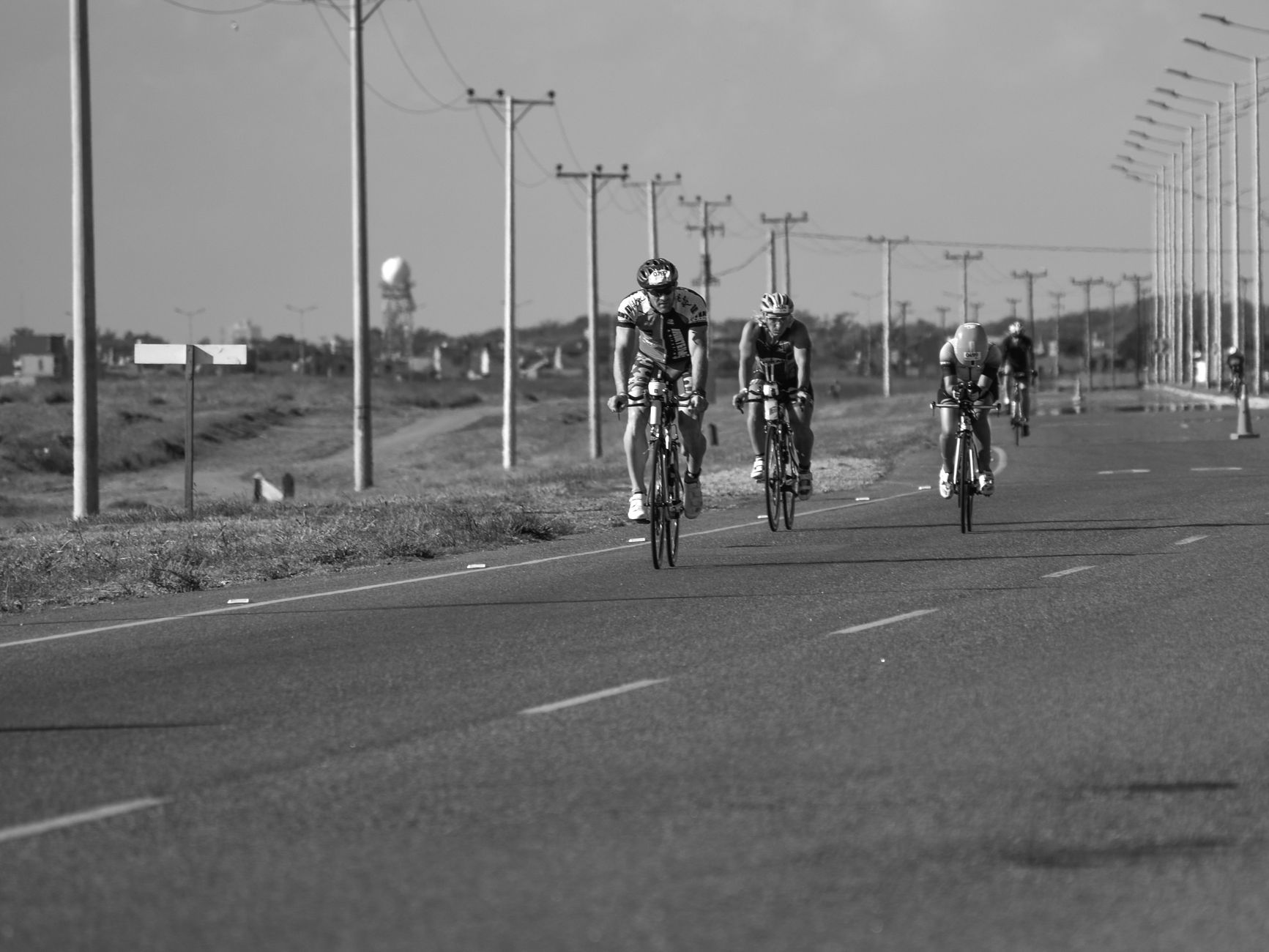
For residents and expats, the event matters mainly at street level: sports venues may be busier, hotels and restaurants can see extra demand, and cycling routes around Genk may attract more organised groups. It is also a useful reminder that Limburg is not just a weekend nature destination. Genk combines C-mine, Thor Park, Kattevennen, the Hoge Kempen gateway and a strong cycling culture, making it one of Flanders' easier places to understand by bike rather than by car. If you are new to Belgium, this is also a good example of local life in Flanders: the gemeente handles practical services, the province promotes cycling and tourism, and regional public transport is handled by De Lijn.
The Atomiade is presented in the seed local report as a sports event bringing around 500 scientists to Genk. The wording in the original Dutch cluster, 500 sportieve wetenschappers strijken neer in Genk voor Atomiade, points to a gathering where research-sector participants compete or meet through sport rather than a public mass festival. Genk is a gemeente and city in the province of Limburg, in the Flemish Region. Its official local administration is Stad Genk, while municipal sports information is grouped under Sport in Genk. For non-Dutch speakers, the main practical point is that public-facing information in Genk is primarily in Dutch, though the tourism platform Visit Genk offers English pages for visitors.
Background
Genk's modern identity is shaped by coal mining, migration, industrial transition and regeneration. Sites such as C-mine and Thor Park show how former mining infrastructure has been repurposed for culture, innovation and visitor activity. Limburg's cycling image has also become a major regional asset, with Visit Genk highlighting bike rental, the cycle network, charging points and routes linking the city with wider Limburg landscapes. Against that background, a scientist-sport event fits a broader pattern: Limburg is selling itself less as a peripheral province and more as a practical, active, well-connected place for meetings, recreation and applied innovation.
Impact
Regional — The regional impact is concentrated in Genk and Limburg. The event reinforces Genk's positioning as a city where sport, science, post-industrial heritage and outdoor tourism overlap. It is not expected to create Belgium-wide disruption, but it may temporarily increase demand around local sports infrastructure, restaurants, accommodation and cycling routes.
Opposing perspectives
- Event organisers and Limburg tourism promoters
This constituency is likely to see the Atomiade as a useful showcase: a compact international group can fill hotels, use sports facilities, visit Thor Park or C-mine, and leave with a stronger image of Genk as more than a former mining city. For them, the phrase eerste keer Limburg is part of the appeal, because it positions the province as capable of hosting specialised international gatherings.
- Regular sports users and nearby residents
People who normally use municipal sports halls, swimming facilities, local roads or parking may judge the event more practically. Their concern is not the scientific theme but access: whether training slots change, whether traffic around venues becomes awkward, and whether communication is clear enough in advance, especially for residents who do not follow local Dutch-language media closely.
- Cyclists and sustainable mobility advocates
Cycling advocates may welcome the visibility if visitors use Limburg's cycle network rather than cars. The related VRT seed about Provincie Limburg trakteert fietsers on the Kolenspoor for World Bicycle Day points to the same policy instinct: Limburg wants cycling to be normal, visible and pleasant. The test is whether event mobility actually supports that message.
Sources & evidence
- Het Nieuwsblad local report on Atomiade in Genk
- VRT NWS item on Province of Limburg World Bicycle Day activity at Kolenspoor in Genk
- Stad Genk official website
- Sport in Genk official municipal sports portal
- Visit Genk cycling visitor information
- Visit Genk Thor Park visitor information
- De Lijn route planner
- Government of Flanders official portal