India's AAIB says Air India 171 crash inquiry is in final analysis
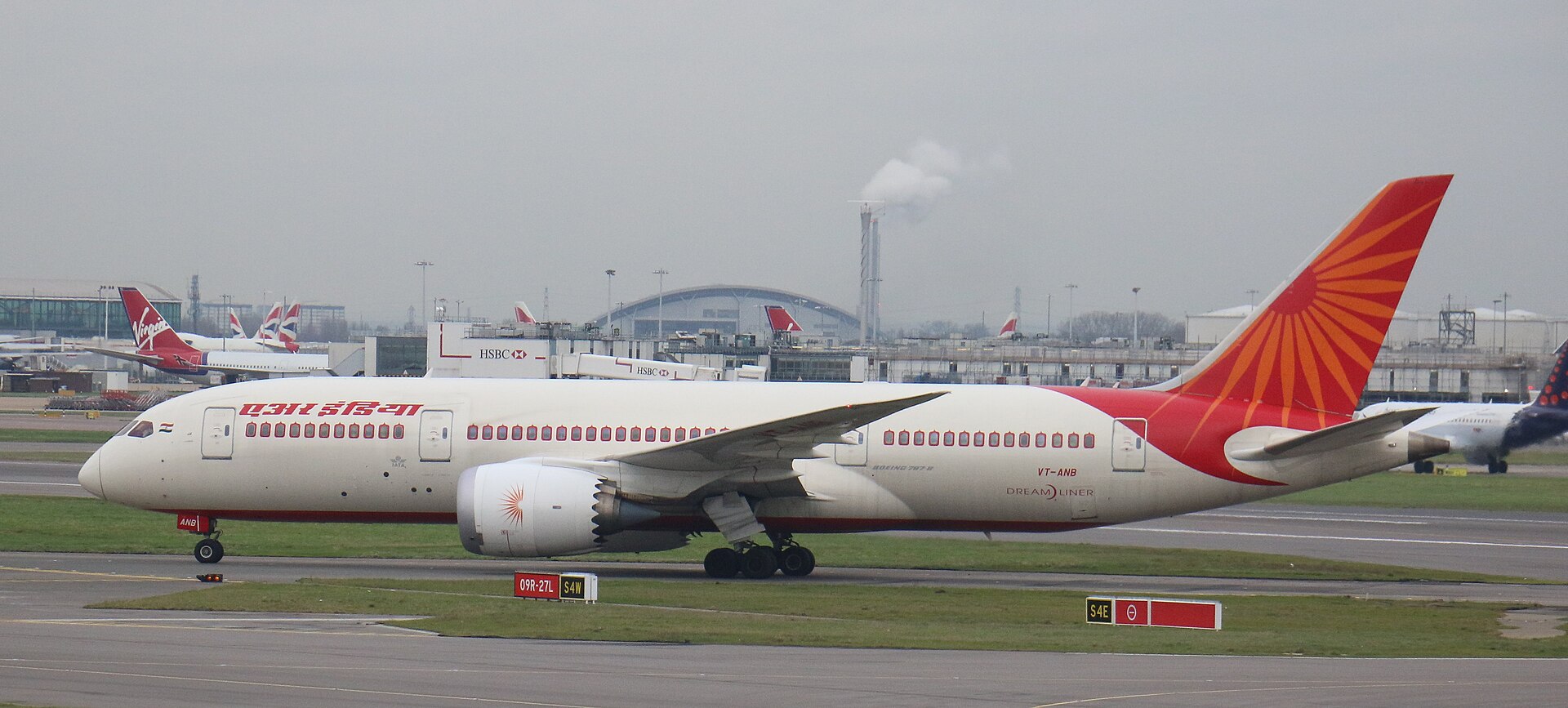
India's Aircraft Accident Investigation Bureau says its inquiry into Air India Flight 171 is in its final analysis stage, a year after the Boeing 787-8 crashed shortly after takeoff from Ahmedabad on 12 June 2025. The AAIB preliminary report states that both engine fuel control switches moved from RUN to CUTOFF seconds after liftoff, cutting thrust before the switches were moved back too late for recovery. The report did not assign blame or identify a final cause. Air India, Boeing and international investigators remain under scrutiny as families press for answers, while the Federation of Indian Pilots has challenged the probe's technical breadth and transparency. For Belgian and EU readers, the story is not about immediate local disruption; it is about confidence in global accident investigation, aircraft airworthiness oversight and the information passengers need after a mass-casualty aviation disaster.
Belgian residents, families and business travellers use the same international aviation system, even when the accident occurs far from Belgium. The AAIB preliminary report's unresolved fuel-switch finding matters because European passengers depend on regulators, airlines and manufacturers sharing safety lessons quickly across borders. Brussels Airport users, Belgian travel agencies, insurers and diaspora families with long-haul routes to India or the UK have a direct interest in whether investigations produce clear findings, usable safety recommendations and reliable family support after disasters.
Air India Flight 171 (scheduled Ahmedabad-London service that crashed on 12 June 2025) is the single accident under investigation. Air India (India's flag carrier, owned by Tata Group since 2022) operated the flight. India's Aircraft Accident Investigation Bureau (AAIB, civil aviation accident investigator under India's aviation ministry) leads the safety probe. Boeing 787-8 Dreamliner (long-haul twin-engine aircraft introduced in 2011) was the aircraft type. Sardar Vallabhbhai Patel International Airport (Ahmedabad's main airport in Gujarat) was the departure point. London Gatwick Airport (major airport south of London) was the destination. B.J. Medical College (Ahmedabad medical campus) was struck by the aircraft. Directorate General of Civil Aviation (India's aviation regulator) ordered post-crash checks. Federation of Indian Pilots (Indian pilots' association) is contesting aspects of the inquiry. Vishwash Kumar Ramesh (British passenger and sole onboard survivor) has called for clearer answers.
Background
The AAIB preliminary report places Flight 171 within the established post-crash model of factual findings first and conclusions later. The ICAO Annex 13 framework requires safety investigations to prevent recurrence rather than determine civil or criminal liability. The FAA's 2018 Special Airworthiness Information Bulletin, cited in reporting on the preliminary report, had warned of possible fuel-switch locking issues on some Boeing aircraft but did not make inspection mandatory. Earlier Boeing 787 scrutiny followed battery fires that led regulators to ground the type in 2013; Flight 171 was the type's first fatal hull-loss accident since service entry.
Why now
The story is timely because 12 June 2026 marks the first anniversary of the crash, families are again demanding answers, and India's AAIB says the inquiry is approaching final analysis without a published final cause.
What to watch
Watch for the AAIB final report, any safety recommendations to Air India, Boeing, engine or component suppliers, and any court action linked to families' claims or the pilots' association's demand for a broader probe.
Opposing perspectives
- India's Aircraft Accident Investigation Bureau
The AAIB position is that the investigation should remain evidence-led until final analysis is complete. Its preliminary account identified the fuel-switch sequence and cockpit exchange but stopped short of blame, consistent with the ICAO safety-investigation model, which separates factual reconstruction from final causal findings.
- Federation of Indian Pilots
The Federation of Indian Pilots argues that the probe has focused too quickly on cockpit action while leaving technical questions insufficiently tested. The federation says encrypted aircraft health-monitoring data, avionics expertise and possible electrical issues should be examined before public debate settles on pilot responsibility.
- Affected families and survivor Vishwash Kumar Ramesh
Families and the sole onboard survivor argue that procedural caution cannot become silence. Their strongest case is that one year without clear answers deepens trauma, complicates compensation and legal choices, and leaves relatives unable to understand whether the disaster reflected human action, system design or oversight failure.
Sources & evidence
- Al Jazeera - A year after Air India crash killed 260: Do we know what happened? · 2026-06-12
- The Guardian - Bereaved families seek closure one year on from Air India crash · 2026-06-12
- The Guardian - Sole survivor demands honesty and answers · 2026-06-11
- Times of India - Pilots' body alleges gaps in AAIB's Air India AI171 crash probe · 2026-06-12
- Washington Post - Unexpected fuel cutoff preceded Air India plane crash, preliminary report says · 2025-07-11
- Le Monde - Air India plane crash: Report says engine fuel supply was cut off, confusion in cockpit · 2025-07-12
- International Civil Aviation Organization - Annex 13: Aircraft Accident and Incident Investigation
- Federal Aviation Administration - Special Airworthiness Information Bulletin NM-18-33: Engine Fuel and Control · 2018-12-17
- James Reason - Human error: models and management, BMJ 2000 · 2000-03-18