Iranian leaders review US proposal after Trump cancels strikes
Iran's leadership is reviewing a proposed memorandum with the United States after President Donald Trump said he had cancelled planned strikes and expected a signing within days. Iran's Foreign Ministry spokesperson Esmail Baghaei said most of the text had been worked through but that Tehran had not made a final decision, while Fars, the Iranian outlet linked to the Revolutionary Guards, said no preliminary text had been approved. The draft described by mediators would reopen the Strait of Hormuz, extend the ceasefire for 60 days and set a framework for later nuclear talks, but it would leave the hardest questions to a second agreement. The IAEA board demanded on June 10 that Iran provide urgent access and information on nuclear material, underlining why verification remains the core test. For Europe, including Belgium, the immediate issue is energy and inflation risk from the war and any reopening of Hormuz.
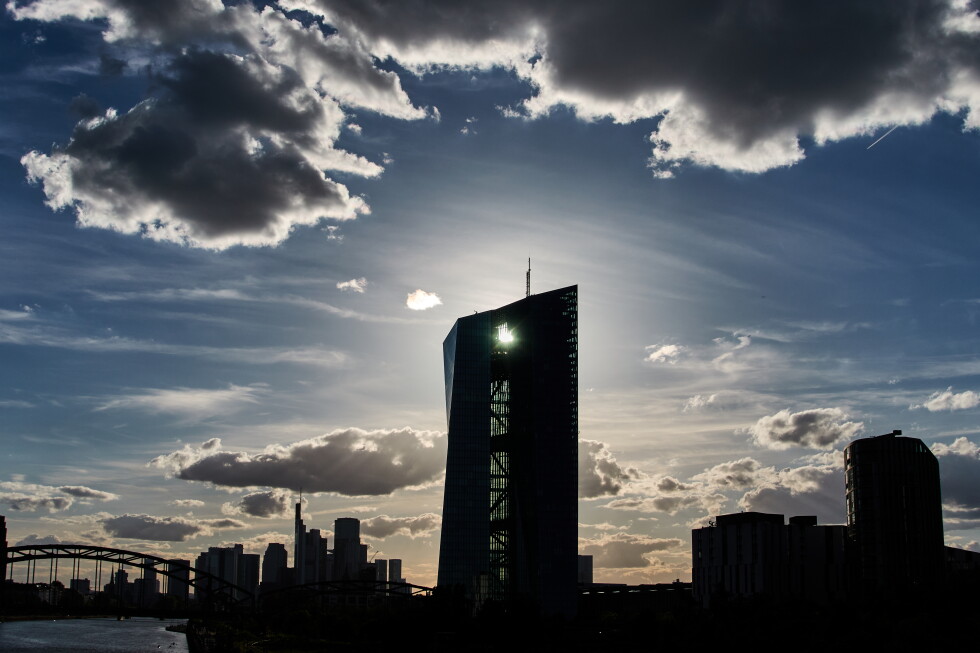
For Belgian households, workers and SMEs, the most direct link is energy-driven inflation: the ECB said oil prices linked to the Iran war helped push eurozone inflation above target and influenced its latest rate decision. Belgian businesses that rely on transport, petrochemicals, aviation, farming inputs or imported goods are exposed to oil, gas and shipping costs. For EU institutions in Brussels and Belgium's federal diplomacy, the question is whether Washington and Tehran can produce a verifiable deal that lowers escalation risk without sidelining European non-proliferation interests.
The Strait of Hormuz (the narrow Gulf shipping passage between Iran and Oman) is a major route for oil and liquefied natural gas. Donald Trump (US president, serving his second term since 2025) is driving the US side of the talks. Esmail Baghaei (Iranian Foreign Ministry spokesperson) is the official voice used here for Tehran's public position. Mojtaba Khamenei (Iran's supreme leader since 2026, according to current reporting) would be the decisive Iranian authority for final approval. Abbas Araghchi (Iranian foreign minister and former nuclear negotiator) has led Tehran's diplomacy. Ali Al-Thawadi (Qatari mediator named in current reporting) has been shuttling between the parties. The IAEA (International Atomic Energy Agency, the UN-linked nuclear watchdog based in Vienna) verifies nuclear safeguards. The ECB (European Central Bank, eurozone monetary authority in Frankfurt) sets interest rates for the euro area, including Belgium.
Background
The 2015 Joint Comprehensive Plan of Action limited Iran's nuclear activity in exchange for sanctions relief, and UN Security Council Resolution 2231 endorsed the arrangement. Trump withdrew the United States from the deal in May 2018, after which Iran gradually expanded nuclear activity. The IAEA board found Iran non-compliant with safeguards obligations in June 2025, and Israel and the United States later struck Iranian nuclear sites. The IAEA board again demanded urgent cooperation on June 10, 2026. This history explains Tehran's public mistrust and Washington's insistence that any new bargain include verification, nuclear limits and a mechanism for sanctions relief.
The wider picture
The proposed deal tests whether coercive pressure can produce a limited diplomatic pause without resolving the strategic contest over Iran's nuclear capacity, missiles and regional alliances. Qatar and Pakistan's mediation shows middle powers trying to prevent a wider Gulf war, while Israel's distance from the memorandum signals that US-Iran diplomacy may not automatically bind regional actors most directly threatened by Iran.
Why now
The trigger is Trump's June 11 claim that he cancelled planned strikes because a deal was close, after a week of renewed military escalation and an IAEA resolution demanding Iranian cooperation. Iran's public response turned the story from a claimed breakthrough into a test of whether a draft text has real authority.
What to watch
Watch for a formal signing date, whether Supreme Leader Mojtaba Khamenei publicly or indirectly approves the text, and whether ships begin moving through Hormuz without tolls. The next signal after any signature would be whether the IAEA receives access and whether sanctions relief begins in verifiable phases.
Impact
Regional — The effects split across EU and Belgian federal levels rather than Belgian regions. The ECB's rate decision affects borrowers and savers across the euro area, including Belgium, while EU foreign-policy services in Brussels have an institutional stake in non-proliferation and Gulf de-escalation. Belgium's federal government would face the downstream effects through energy prices, inflation-linked spending and diplomatic coordination. Flanders, Wallonia and Brussels would feel similar consumer and business price pressures, so there is no distinct regional policy split inside Belgium.
Opposing perspectives
- Trump administration
The Trump administration frames the proposed memorandum as a practical de-escalation path: reopen the Strait of Hormuz, keep a ceasefire alive for 60 days, and use sanctions relief as leverage for later nuclear concessions. Its strongest argument is that a limited first agreement is better than waiting for a complete nuclear settlement while the war keeps damaging energy markets.
- Iranian government
The Iranian government frames the proposal through mistrust. Esmail Baghaei's position is that Tehran has reviewed much of the text but cannot accept shifting US positions or compromise on red lines. Its strongest case is that sanctions relief, frozen assets and security guarantees must be credible before Iran exposes itself to domestic and strategic risk.
- IAEA and Western non-proliferation states
The IAEA board and the governments backing its resolution frame the immediate problem as verification, not only diplomacy. Their strongest argument is that a ceasefire or shipping deal cannot settle the nuclear issue unless inspectors obtain access, nuclear material is accounted for, and any future commitments can be independently checked.
- Israel
Israel's position, as reflected by the prime minister's office, is that it is not a party to the memorandum and will judge any outcome by whether enriched material is removed, enrichment infrastructure is dismantled, missile production is limited and Iranian support for armed groups ends. Its strongest argument is that a vague first-stage deal could lower pressure without reducing strategic threats.
Sources & evidence
- Al Jazeera - Iran weighs proposed deal but remains wary of US intentions · 2026-06-12
- Axios - Trump claims Iran deal reached, Tehran says no final decision · 2026-06-11
- Axios - What's in the Iran deal Trump says he's ready to sign · 2026-06-12
- The Guardian - Trump claims US and Iran on verge of signing peace agreement, but Tehran says no final decision made · 2026-06-11
- AP - UN nuclear watchdog board demands urgent Iran cooperation and access to nuclear sites · 2026-06-10
- AP - ECB raises its benchmark rate to 2.25% from 2% as oil prices lift inflation · 2026-06-11
- UN Security Council Resolution 2231 · 2015-07-20
- International Energy Agency - Oil Market Report, March 2026 · 2026-03-12