Israel strikes Beirut as mediators push US-Iran deal
Israel's military said it struck Hezbollah infrastructure in Beirut's southern suburbs on Sunday after Hezbollah launched three projectiles into northern Israel. The attack landed as US President Donald Trump and Pakistani Prime Minister Shehbaz Sharif said a US-Iran agreement could be signed the same day, while Iran's foreign ministry said completion could still take several days. Regional officials familiar with the mediation said Qatari envoys were in Tehran to help finalise the text. The proposed arrangement is described by officials familiar with the talks as a framework that would reopen the Strait of Hormuz and create a 60-day window for harder nuclear and sanctions questions. Israel's government argues Hezbollah's fire required a response; Iran wants any wider settlement to cover Lebanon. The central risk is that the Lebanon front again becomes the spoiler for a broader Iran deal.
For Belgian households, hauliers, farmers, energy-intensive businesses and policymakers, the immediate issue is whether a wider Middle East deal can reduce pressure on oil, gas and fertiliser markets. For Brussels-based EU institutions and NATO diplomats, the strikes complicate a file that already mixes non-proliferation, maritime security and civilian protection. For Belgian residents with family in Lebanon, Israel or Iran, the Lebanon front is not an abstract side conflict but a direct safety and travel concern.
Dahiyeh (Beirut's southern suburbs and a Hezbollah stronghold) was the area shown at the strike site. Hezbollah (Lebanese Shia movement and armed organisation founded in 1982) is backed by Iran and fights Israel from Lebanon. Benjamin Netanyahu (Israel's prime minister, back in office since 2022) leads the government that authorised the response. Donald Trump (US president in 2017-2021 and again in this 2026 context) is trying to claim a diplomatic breakthrough with Iran. Shehbaz Sharif (Pakistan's prime minister, in office again since 2024) is identified by officials familiar with the talks as a key mediator. Qatar (Gulf state with a long record of regional mediation) sent envoys to Tehran. Tehran (Iran's capital) is where Iranian decision-makers are weighing the draft. The Strait of Hormuz (narrow Gulf shipping route between Iran and Oman) is central because energy cargoes pass through it.
Background
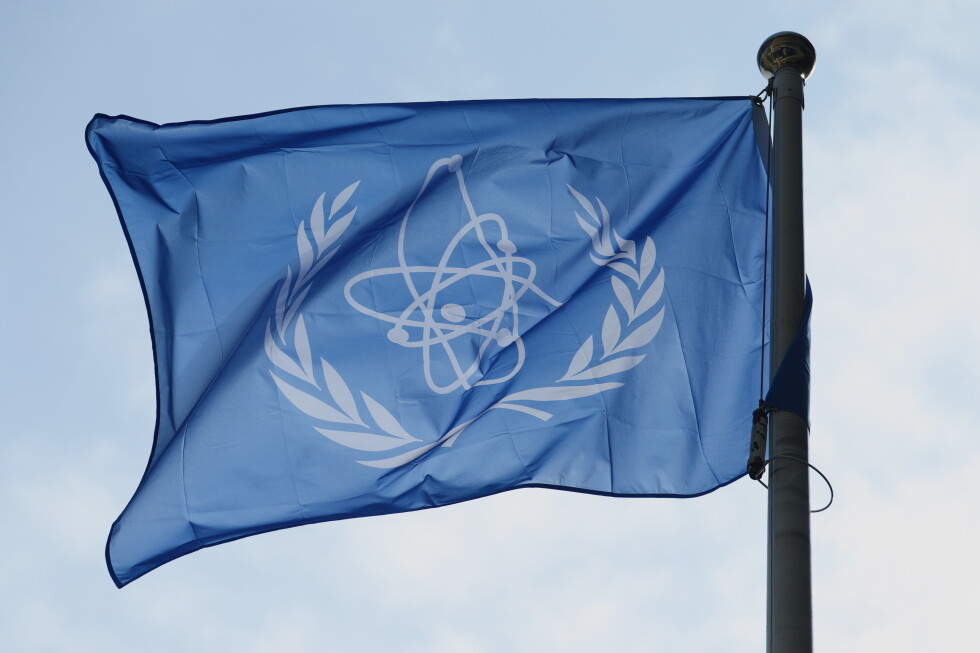
The pattern is familiar: a regional ceasefire or nuclear initiative advances, then the Lebanon front tests whether Iran, Hezbollah, Israel and Washington define the same conflict boundaries. The 2015 Joint Comprehensive Plan of Action limited Iran's enrichment and expanded inspections; Trump withdrew the United States from that deal in 2018. Fighting between Israel and Hezbollah resumed after the Gaza war in 2023, and new 2026 Israel-Lebanon talks followed the March escalation. The IAEA Board of Governors demanded on 10 June 2026 that Iran restore access and information on nuclear material, keeping verification at the centre of any deal.
The wider picture
The broader contest is over whether the United States can separate a nuclear bargain with Iran from Iran's regional network, especially Hezbollah. Israel is signalling that its security priorities in Lebanon will not automatically follow Washington's negotiating timetable. Iran is trying to make Lebanon part of the price of a wider settlement.
Why now
The strike is timely because it happened on 14 June 2026, the same day Trump and Shehbaz Sharif said a US-Iran deal could be signed, while Iranian officials still signalled that Tehran had not completed its decision.
What to watch
Watch for confirmation of any electronic signing, Iranian acceptance or delay, practical reopening steps in the Strait of Hormuz, fresh Hezbollah fire into northern Israel, and any Israeli strikes beyond Dahiyeh that would suggest the Lebanon front is widening again.
Opposing perspectives
- Israeli government / security establishment
Israel's prime minister's office said the Beirut strikes were a response to Hezbollah fire into northern Israel. In this frame, a US-Iran deal that leaves Hezbollah operational in Lebanon would not answer Israel's immediate border-security problem, so military pressure remains necessary even while Washington pursues diplomacy.
- Iran and regional mediators
Iran's position, as reflected by officials describing the talks, is that any wider de-escalation must include the Lebanon front. The strongest version of this view is that excluding Israeli-Hezbollah fighting from a US-Iran framework leaves Tehran's ally under attack and gives opponents of the deal a ready pretext to derail it.
- Non-proliferation monitors
The IAEA Board of Governors demanded renewed Iranian cooperation and access to nuclear sites on 10 June 2026. From this view, the decisive issue is not the signing ceremony but whether inspectors can verify nuclear material and enrichment activity after months of restricted access.
Sources & evidence
- Al Jazeera - Israel attacks Beirut on same day Trump says Iran deal to be signed · 2026-06-14
- Associated Press - Israeli military strikes Beirut suburbs in the lead-up to anticipated US-Iran deal · 2026-06-14
- The Guardian - Middle East crisis live: Trump says Iran deal will be signed today · 2026-06-14
- Associated Press - UN nuclear watchdog board demands urgent Iran cooperation and access to nuclear sites · 2026-06-10
- Wyn Bowen and Matthew Moran, Iran's Nuclear Programme: A Case Study in Hedging, Contemporary Security Policy, 2014 · 2014-03-07
- Axios - Israel strikes Beirut after Hezbollah attack, risking Iran response · 2026-06-07