Israel strikes southern Gaza, killing two people
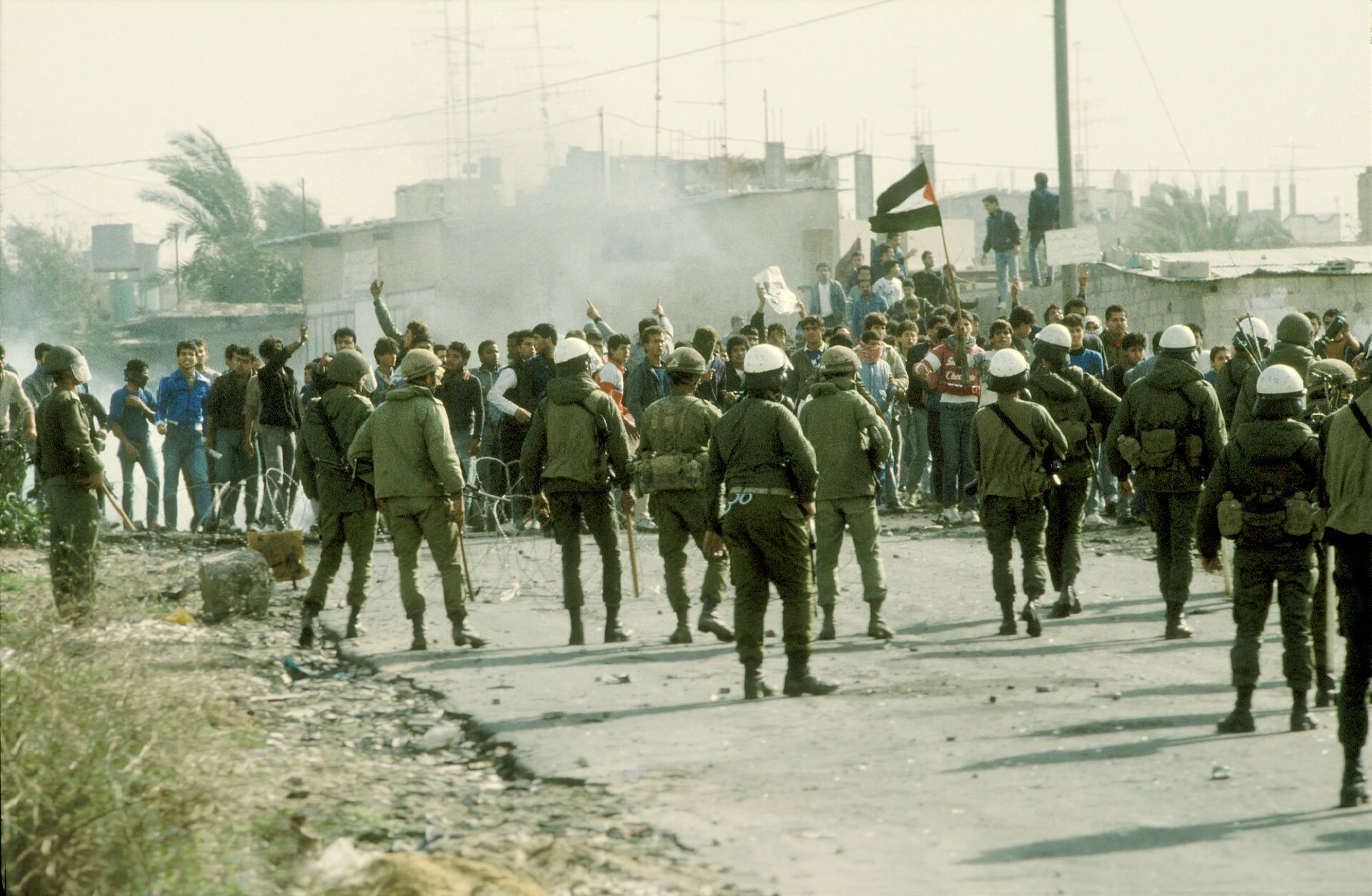
Palestinian authorities said an Israeli strike in southern Gaza killed two people and injured one more on 14 June, underscoring how the October 2025 ceasefire remains fragile in practice. The incident is small in scale compared with the mass-casualty phases of the Gaza war, but it fits a wider pattern: Gaza residents still face lethal strikes, shifting military boundaries and blocked reconstruction while negotiators argue over Hamas disarmament, Israeli withdrawal and international monitoring. The Israeli military has generally said its post-ceasefire operations target military objectives and threats to its forces; Palestinian and UN-linked accounts describe continuing civilian harm and a humanitarian system under severe strain. For Belgium Pulse readers, the story belongs primarily in the international file: it affects EU diplomacy, Belgium's position inside EU debates on Israel, humanitarian aid, sanctions and the credibility of ceasefire enforcement.
For Belgian voters, aid workers, NGOs, universities, Jewish and Palestinian communities, and policy-engaged readers, Gaza remains a live foreign-policy issue rather than a distant conflict. Belgium has been among EU states pressing for stronger action on humanitarian access and settlement policy, while EU institutions in Brussels debate sanctions, trade preferences and ceasefire monitoring. Each new strike tests whether diplomatic language from Brussels can be translated into practical protection for civilians and credible pressure on the parties.
The Gaza Strip (a 365-square-kilometre Palestinian coastal territory between Israel, Egypt and the Mediterranean) has been under war conditions since the Hamas-led 7 October 2023 attacks and Israel's subsequent offensive. Southern Gaza (including Khan Younis and Rafah areas) has repeatedly housed displaced civilians during the war. Palestinian authorities (Gaza-based health and civil bodies operating under Hamas-era institutions) are the stated source for the latest casualty count. Israel (the state whose military controls large areas around Gaza and conducts strikes in the enclave) says it acts against armed threats. Hamas (the Palestinian Islamist movement that seized Gaza in 2007) remains central to ceasefire talks because disarmament is a core demand. UN Security Council Resolution 2803 (adopted on 17 November 2025) endorsed a Gaza peace framework. The Yellow Line (the ceasefire demarcation inside Gaza) separates Israeli-controlled and Palestinian-controlled zones. The Board of Peace (a US-led body mandated in the Gaza plan) is meant to oversee transition and reconstruction.
Background
The latest strike follows a ceasefire framework that took effect on 10 October 2025 after more than two years of war. UN Security Council Resolution 2803, adopted on 17 November 2025, endorsed a plan involving a transitional Gaza administration, reconstruction and an International Stabilization Force. Earlier ceasefires have also proved brittle: the November 2023 pause collapsed after a week, and the post-October 2025 arrangement has been repeatedly strained by disputes over Hamas disarmament, Israeli withdrawals, hostages' remains, humanitarian access and the shifting Yellow Line inside Gaza.
The wider picture
Gaza remains a test of postwar governance, US leverage, EU unity and regional security. The core geopolitical question is whether outside powers can enforce a transition that requires Israel to withdraw, Hamas to disarm, Palestinians to regain credible administration and donors to fund reconstruction without legitimising permanent territorial fragmentation.
Why now
The story is timely because Palestinian authorities reported new deaths on 14 June, while ceasefire diplomacy is already under strain from stalled disarmament talks, Israeli territorial control and worsening humanitarian conditions.
What to watch
Watch for any Israeli military explanation of the 14 June strike, updated Gaza casualty figures, the next EU foreign-ministers' discussion on Israel measures, and whether mediators announce movement on Hamas disarmament or Israeli redeployment.
Opposing perspectives
- Israeli government and military
The Israeli position frames continued strikes as enforcement of security conditions after the ceasefire, arguing that armed groups, tunnels and militants still threaten Israeli forces and communities. This view treats Hamas disarmament as the necessary first step before deeper withdrawal, reconstruction and any durable political process can proceed.
- Palestinian authorities and Gaza civilians
The Palestinian frame treats the strike as evidence that the ceasefire has not delivered basic civilian safety. It argues that residents remain exposed to attacks, unclear military boundaries and blocked recovery while Israel retains practical control over large areas and humanitarian access remains inadequate.
- EU and Israeli-Palestinian civil-society peace groups
The diplomatic civil-society frame argues that ceasefire enforcement, Hamas disarmament, humanitarian access and reconstruction must be integrated rather than traded against each other. It sees continued violence as narrowing the space for a two-state outcome and increasing the need for coordinated international pressure.
Sources & evidence
- Al Jazeera - Two killed in Israeli strike on Gaza · 2026-06-14
- Le Monde - Nearly 1,000 dead in Gaza since start of ceasefire illusion · 2026-06-10
- Associated Press - Board of Peace envoy Mladenov says ceasefire hinges on Hamas' disarmament · 2026-05-01
- Associated Press - UN report alleges war crimes in Gaza, citing extrajudicial killings and maiming · 2026-06-09
- The Guardian - Netanyahu orders Israeli army to seize 70% of Gaza Strip · 2026-05-28
- The Guardian - Palestinian and Israeli civil society groups urge G7 to take action on Gaza · 2026-06-12
- United Nations - Security Council Resolution 2803 press release · 2025-11-17