Israeli cabinet weighs new settlement funding for West Bank
Israel’s government is considering a major new funding package to expand settlement infrastructure in the occupied West Bank, the settlement-monitoring NGO cited in the lead report says. The proposal would fit a broader pattern: Israel has already advanced land-registration changes, E1 construction and outpost expansion while ministers close to the settler movement argue that the West Bank should remain under permanent Israeli control. The Israeli government says the territory’s final status should be resolved through negotiations and has rejected international legal findings against its settlement policy. The issue matters beyond Israel and Palestine because the International Court of Justice’s 2024 advisory opinion says states should not aid the maintenance of Israel’s unlawful presence in occupied Palestinian territory. For EU governments, including Belgium, new public funding for settlements would sharpen debates on sanctions, trade with settlement entities and the EU-Israel relationship.
For Belgian voters, diplomats, businesses and civil-society groups, the story feeds directly into Belgium’s foreign-policy choices: sanctions, settlement-product rules, arms and trade scrutiny, and positions taken in EU councils. Brussels-based EU staff and international organisations will watch whether member states move from targeted settler sanctions toward broader economic measures. Belgian companies with Israel-linked supply chains also face reputational and compliance questions if EU policy hardens around settlement-linked activity.
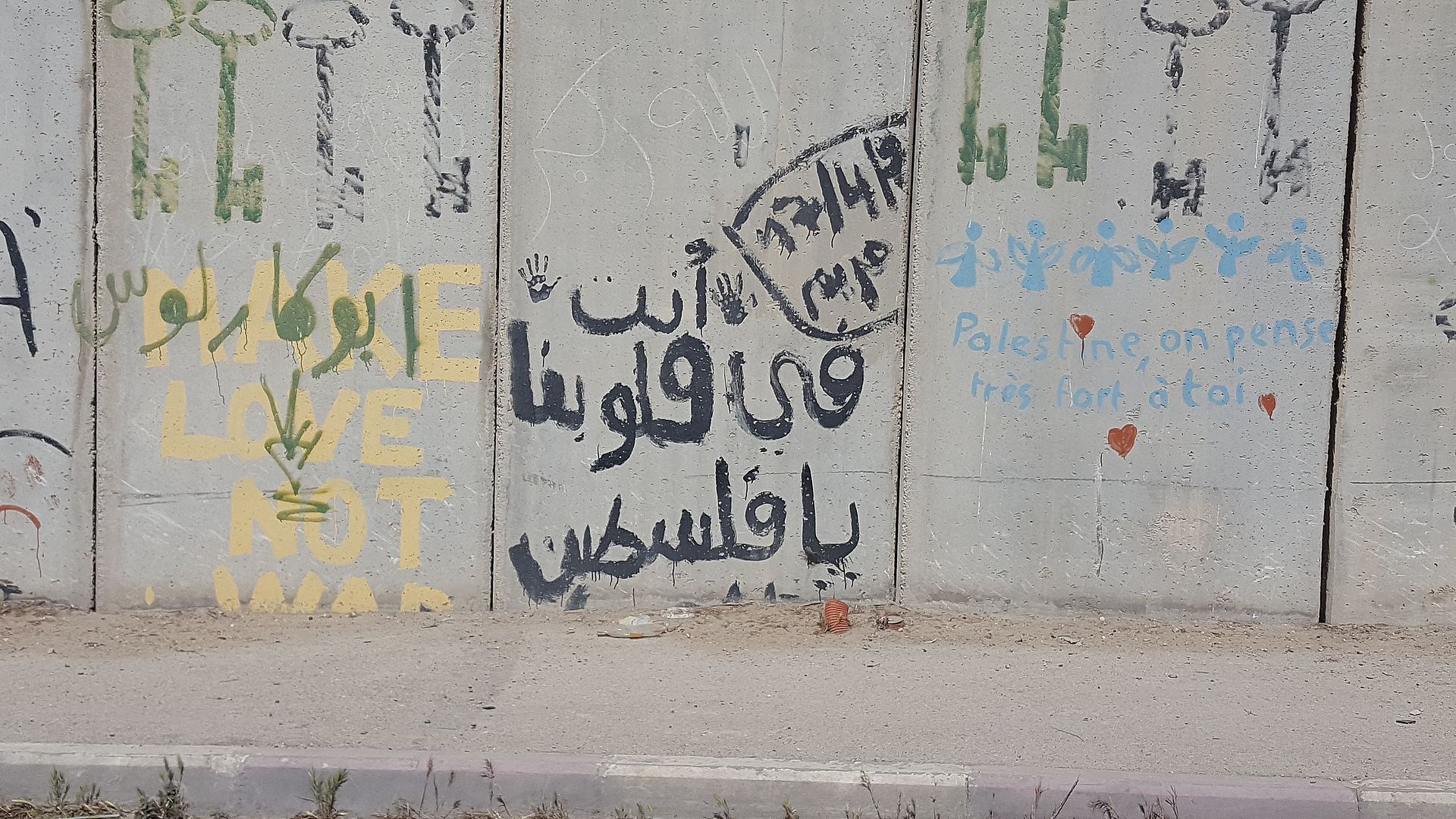
The West Bank (Palestinian territory occupied by Israel since the 1967 Arab-Israeli war) is the centre of the settlement dispute. Israeli settlements (civilian communities built for Israeli citizens in occupied territory) are treated by the International Court of Justice and most states as unlawful under international law, a position Israel disputes. Peace Now (Israeli anti-settlement monitoring group founded in 1978) tracks plans, tenders and outposts. Benjamin Netanyahu (Israel’s prime minister and Likud leader) heads the governing coalition. Bezalel Smotrich (Israeli finance minister and settler leader) has authority over parts of settlement policy. E1 (open land east of Jerusalem near Ma'ale Adumim) is a long-contested project because of its effect on Palestinian territorial continuity. The International Court of Justice (UN court in The Hague) issued the 2024 advisory opinion. The European Union (27-state bloc headquartered partly in Brussels) has used sanctions and trade policy to respond to settlement-related violence.
Background
Israel captured the West Bank, East Jerusalem and Gaza in the 1967 war. The Oslo II Accord of 1995 divided the West Bank into Areas A, B and C, leaving Area C under full Israeli civil and security control. Settlement diplomacy has repeatedly turned on construction freezes and tenders, including the 2009-2010 partial moratorium and the long-delayed E1 plan. The International Court of Justice’s 19 July 2024 advisory opinion said Israel should end its unlawful presence, cease new settlement activity and evacuate settlers already established in the occupied territory.
The wider picture
The settlement issue sits inside a wider struggle over the post-Gaza-war regional order, Palestinian statehood and Western credibility on international law. Israel’s allies are split between security support for Israel and growing pressure over Gaza and the West Bank. For Europe, the question is whether legal findings and human-rights concerns can overcome member-state divisions on Israel policy.
Why now
The story is timely because the lead report says the Israeli government is now weighing a major funding package, after months of settlement-related decisions, EU sanctions movement and the ICJ’s 2024 legal opinion reshaped the diplomatic cost of settlement expansion.
What to watch
Watch for an Israeli cabinet or budget decision, the precise size and legal channel of any funding, EU sanctions listings, and whether Belgium backs settlement-trade restrictions or a wider review of EU-Israel trade preferences.
Impact
Regional — The effects split mainly between the EU level and Belgium’s federal level. The EU decides sanctions, association-agreement measures and common trade positions, while Belgium’s federal government shapes national diplomacy, customs enforcement and votes in EU and UN forums. Flanders, Wallonia and Brussels are not separately targeted by the settlement decision, but regional parliaments and civil-society networks could press their parties on boycott, procurement or academic-cooperation policies.
Opposing perspectives
- Israeli government / settler movement
The Israeli government’s strongest case is that the West Bank is disputed rather than sovereign Palestinian territory, that settlement blocs are tied to Israeli security and history, and that final borders should come through negotiations. Israeli officials cited in the source set argue that outside sanctions are counterproductive and that international legal processes are politically biased.
- Palestinian Authority and rights organisations
Palestinian officials and rights organisations frame the funding push as another administrative step toward permanent annexation. The Amnesty International report argues that settlement growth, outposts and displacement form a state-backed pattern, while Peace Now’s monitoring data presents outpost expansion since 2023 as evidence that facts on the ground are being accelerated.
- EU member states favouring tougher measures
EU governments pushing sanctions argue that targeted listings are a minimum response because settlement expansion and settler violence undermine international law and any viable two-state outcome. The ICJ advisory opinion gives this camp a legal basis to scrutinise trade, financing and institutional links that may help maintain Israel’s presence in occupied territory.
Sources & evidence
- Al Jazeera - Israeli government mulling huge funding to expand West Bank settlement: NGO · 2026-06-11
- Associated Press - Amnesty accuses Israel's government of 'ethnic cleansing' of Palestinians from the West Bank · 2026-06-10
- Associated Press - Six countries issue new sanctions on Israeli settlers and settlements in the West Bank · 2026-06-09
- Associated Press - Israel set to begin controversial West Bank settlement project near Jerusalem · 2026-01-06
- The Washington Post - E.U. puts sanctions on Israeli settlers after Hungary drops Orban's veto · 2026-05-11
- International Court of Justice - Legal Consequences arising from the Policies and Practices of Israel in the Occupied Pa · 2024-07-19
- Michael Sfard and Emily Schaeffer, A Guide to Housing, Land and Property Law in Area C of the West Bank, NRC / European · 2012-01-01