Jerry Seinfeld denies Palestine’s existence in viral exchange
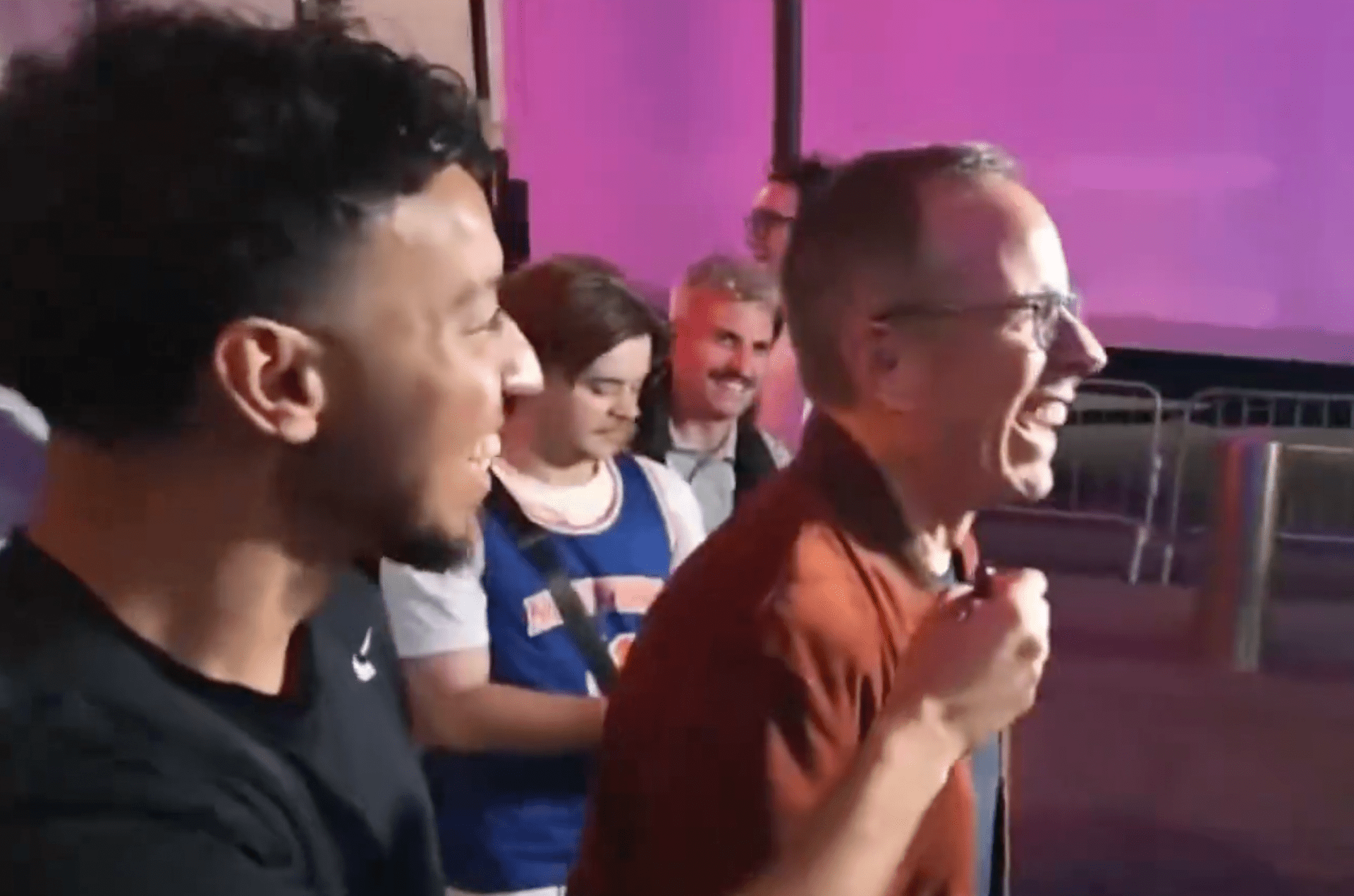
A clip attributed to TikTok creator FinesseFave shows Jerry Seinfeld being asked outside Madison Square Garden to say “Free Palestine” and replying that Palestine does not exist. The exchange spread because it ties a celebrity flashpoint to a legal and diplomatic reality: the United Nations General Assembly granted Palestine non-member observer state status in 2012, and Belgium’s federal government moved in 2025 toward recognition of Palestinian statehood under conditions linked to hostages and Hamas governance. The immediate story is cultural rather than diplomatic: a comedian with a long public association with Israel again became a target for pro-Palestinian activists and online backlash. But the reaction shows how celebrity encounters now compress the Israel-Palestine conflict into short, highly polarising clips, where political identity, legal status and social-media performance collide.
For Belgian residents, students, Jewish and Palestinian communities, cultural venues and universities, the episode is another example of how the Gaza war has moved from foreign-policy pages into public culture. Belgium’s federal position treats Palestinian statehood as a diplomatic question with conditions; the viral clip turns it into an identity test. That matters for readers following Belgium’s own debates over recognition, antisemitism, Islamophobia, protest rights and the limits of celebrity political speech.
Jerry Seinfeld (US comedian and co-creator of the sitcom Seinfeld, first aired in 1989) has repeatedly drawn protest over his public support for Israel. FinesseFave (TikTok creator identified in reports as the person who approached Seinfeld) posted the exchange that triggered the latest backlash. Madison Square Garden (major New York sports and entertainment arena opened in its current form in 1968) was the setting after a New York Knicks game. Palestine (the territory and national movement centred on the West Bank, East Jerusalem and Gaza) has contested sovereignty but formal UN observer-state status. The United Nations General Assembly (UN body where all member states sit) upgraded Palestine’s status in 2012. Hamas (Palestinian Islamist movement governing Gaza before the post-2023 war arrangements) remains central to statehood conditions set by several Western governments. Belgium’s federal government (led in 2025 by Prime Minister Bart De Wever) tied recognition to hostages being released and Hamas leaving governance.
Background
The UN General Assembly’s Resolution 67/19, adopted on 29 November 2012, gave Palestine non-member observer state status while leaving full UN membership unresolved. The same resolution reaffirmed a two-state framework based on pre-1967 borders. Seinfeld’s link to the issue sharpened after Hamas’s 7 October 2023 attacks and Israel’s war in Gaza; he visited Israeli hostage families in 2023, faced a Duke University commencement walkout in May 2024, and was filmed in 2025 dismissing another “Free Palestine” prompt. Belgium’s 2025 recognition debate placed the same question inside federal diplomacy rather than celebrity confrontation.
The wider picture
The controversy reflects a larger struggle over legitimacy after the Gaza war: Israel’s security claims, Palestinian self-determination, Hamas’s role, hostage diplomacy and Western recognition policy all compete for narrative space. Social-media clips do not decide statehood, but they influence how publics understand the conflict and how political actors feel pressure to respond.
Why now
The trigger is a newly circulated clip from outside Madison Square Garden in which Seinfeld was prompted to say “Free Palestine” and instead denied Palestine’s existence. Its timing also follows two years of repeated protest around celebrities’ Israel-Palestine positions.
What to watch
Watch whether Seinfeld or FinesseFave comments further, whether cultural venues face renewed protest around Seinfeld appearances, and whether Belgian or EU debates over Palestinian recognition cite the episode as part of broader public polarisation.
Opposing perspectives
- Pro-Palestinian activists
Pro-Palestinian activists would frame the clip as a powerful celebrity dismissing Palestinian identity at a moment when statehood, occupation and Gaza remain urgent public questions. The circulating clip attributed to FinesseFave turns a short street encounter into an argument about whether public figures should be challenged when they use fame to support one side of the conflict.
- Supporters of Seinfeld and pro-Israel advocacy
Supporters of Seinfeld would argue that the exchange was an ambush rather than a serious discussion, and that a comedian leaving a sports event should not be forced into a slogan test. They would also say Seinfeld’s post-2023 support for Israel reflects concern for Israeli victims and hostages, not a duty to endorse activist framing.
- Belgian federal diplomacy
Belgium’s federal diplomatic position is more legalistic than the viral exchange: reporting on the 2025 government decision says recognition was linked to hostage releases, Hamas leaving governance and security guarantees for Israel. That frame treats Palestinian statehood as a conditional diplomatic instrument rather than as a social-media affirmation or denial.
Sources & evidence
- Al Jazeera - Backlash after US actor Jerry Seinfeld says Palestine ‘doesn’t exist’ · 2026-06-12
- New York Post - Jerry Seinfeld shuts down anti-Israel influencer with 3 words after Knicks' historic win · 2026-06-11
- United Nations General Assembly Resolution 67/19 - Status of Palestine in the United Nations · 2012-12-04
- Politico - About 30 students walk out on Seinfeld at Duke commencement · 2024-05-12
- Le Monde - La Belgique prête à reconnaître, sous condition, la Palestine et à adopter des sanctions contre Israël · 2025-09-02