Judge Amit Mehta lets Trump stage UFC event at White House
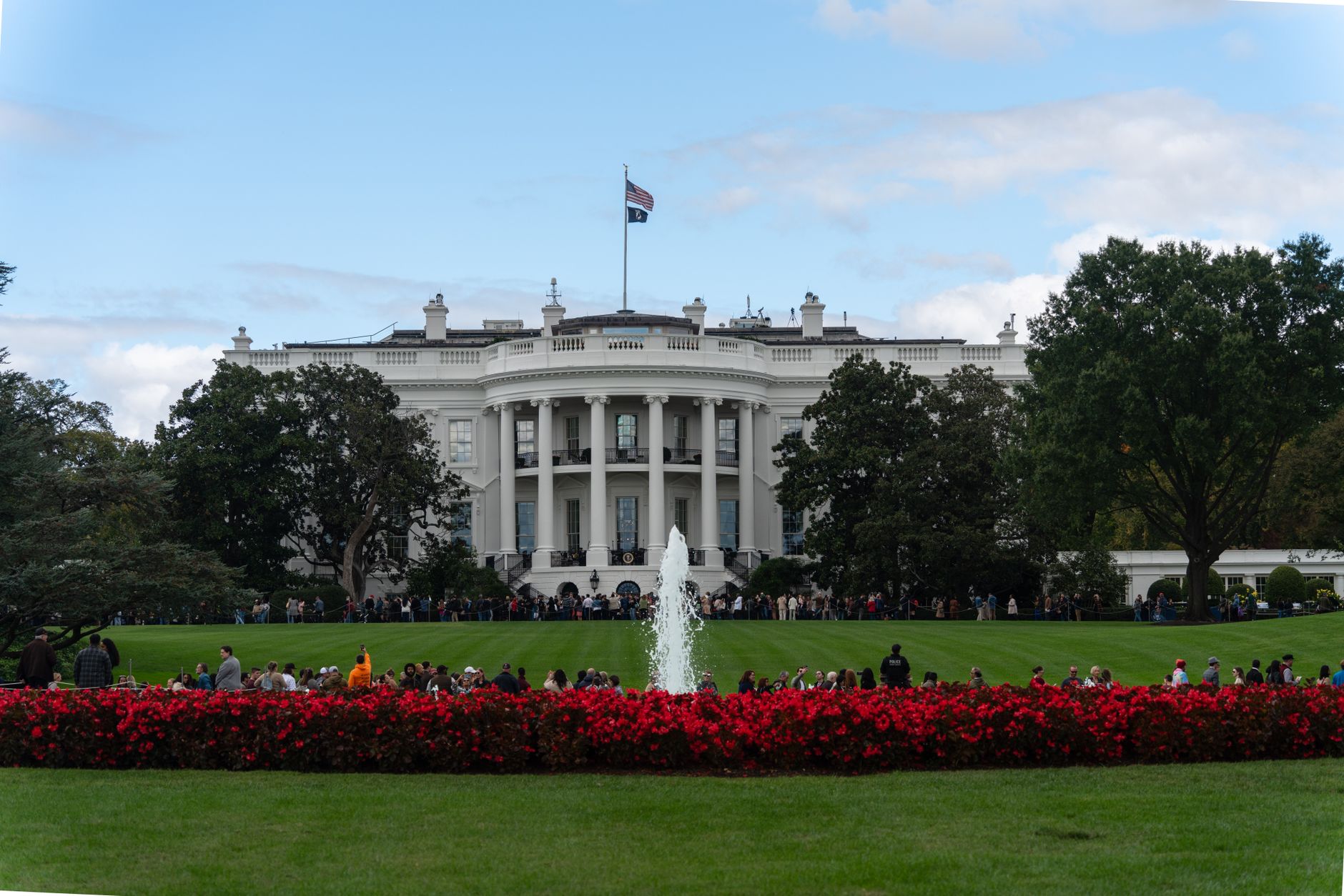
U.S. District Judge Amit Mehta ruled that President Donald Trump’s administration may proceed with UFC Freedom 250 on the White House South Lawn on June 14, rejecting an emergency attempt by Public Integrity Project-backed plaintiffs to stop the event. The court found the challengers had not shown likely standing or irreparable harm, and Mehta also pointed to their delay in filing after months of public planning. The ruling keeps alive an unusually politicised sports spectacle timed to the United States’ 250th anniversary year and Trump’s 80th birthday. Plaintiffs allege the event commercialises federal landmarks and gives UFC and Trump allies privileged access to public space; the White House says the challenge is baseless and treats the event like other public gatherings in Washington. For Belgian readers, the core relevance is not the fight card but the precedent: sport, public institutions and executive power are merging in a country that remains central to EU and NATO strategy.
This matters to Belgian voters, public-law observers, sports fans and policy readers because the United States remains Belgium’s main NATO ally and a decisive partner for EU security. The court’s ruling does not change Belgian life directly, but it shows how U.S. institutions are testing boundaries between public office, private sport and national commemoration. Belgian officials, EU staff in Brussels and international businesses watching Washington will read it as another signal about governance norms in the U.S. presidency.
Amit Mehta (U.S. District Judge for the District of Columbia, confirmed in 2014) handled the emergency injunction request. Donald Trump (U.S. president, 45th and 47th, turning 80 on June 14, 2026) is hosting the event. UFC (Ultimate Fighting Championship, the dominant U.S.-based mixed martial arts promoter) is staging UFC Freedom 250. The White House South Lawn (the presidential residence’s ceremonial lawn in Washington, D.C.) is the venue. Public Integrity Project (U.S. legal advocacy group) represents plaintiffs Susan Douglas (civic activist) and Paul Romano (Vietnam War veteran). The National Park Service and the U.S. Department of the Interior (federal bodies responsible for parks and public lands) are defendants. Dana White (UFC president and Trump ally) leads the promoter. The Claw (temporary steel arena structure) surrounds the Octagon. The Lincoln Memorial (1922 national monument) was cited in event logistics. Paramount+ and CBS (U.S. streaming and broadcast platforms) are tied to the fight’s distribution.
Background
U.S. presidents have long used sport for public symbolism, but the White House setting makes this case unusual. AP says Trump became the first sitting president to attend a UFC show in 2019, underscoring his personal association with the promotion. America250 says July 4, 2026 marks the 250th anniversary of the signing of the Declaration of Independence. Scholars of sportswashing, including Lars Bergkvist and Heidi Skeiseid in a 2024 International Journal of Advertising article, describe sport as a reputational tool when political or commercial actors attach themselves to popular events. The lawsuit framed UFC Freedom 250 through that broader concern.
The wider picture
This is not a military or trade story, but it has geopolitical texture because U.S. soft power is part of alliance politics. The White House is a global symbol, and staging a commercial combat-sports spectacle there projects a particular image of American leadership. Allies and rivals alike can read that imagery as part of the Trump administration’s broader political style.
Why now
The immediate trigger is Mehta’s June 12 ruling on an emergency request filed days before the June 14 event. The timing matters because the structure was already built, the fight card was imminent and the court treated the plaintiffs’ delay as part of the reason not to intervene.
What to watch
Watch whether the event proceeds without weather or security disruption on June 14, whether organisers disclose costs and restoration arrangements, and whether the lawsuit continues after the emergency phase. Congressional or watchdog follow-up on sponsorships and federal-property approvals would be the next political signal.
Opposing perspectives
- Public Integrity Project-backed plaintiffs
Public Integrity Project-backed plaintiffs frame the case as a public-integrity dispute, not a sports complaint. They argue the administration is giving a private promoter rare access to federal landmarks and that emergency relief was needed because the alleged misuse of public space would be complete once the event happened.
- White House / Trump administration
The White House frames the lawsuit as an overreach against a commemorative event in the capital. Its strongest argument is that Washington regularly hosts large public events on federal spaces, that the alleged harm is temporary, and that courts should not halt a near-ready national celebration at the last moment.
- UFC / TKO leadership
UFC and TKO leadership present the event as a once-only stage for American sport during the semiquincentennial year. Their argument is that the promoter is investing heavily in production, broadcast reach and brand visibility while operating under federal-site arrangements rather than ordinary local sports regulation.
Sources & evidence
- Al Jazeera - US judge refuses to block Trump’s White House UFC fight · 2026-06-12
- Associated Press - Judge rules Trump can stage UFC fights on the White House’s South Lawn this weekend · 2026-06-12
- MMA Fighting - Federal judge denies lawsuit trying to stop UFC White House event from happening · 2026-06-12
- The Guardian - Lawsuit aims to block UFC event at White House on Trump’s birthday · 2026-06-08
- America250 - America’s 250th official site
- Lars Bergkvist and Heidi Skeiseid, Sportswashing: exploiting sports to clean the dirty laundry, International Journal of · 2024-08-17
- Axios - How the UFC conquered Trump’s Washington · 2026-06-12