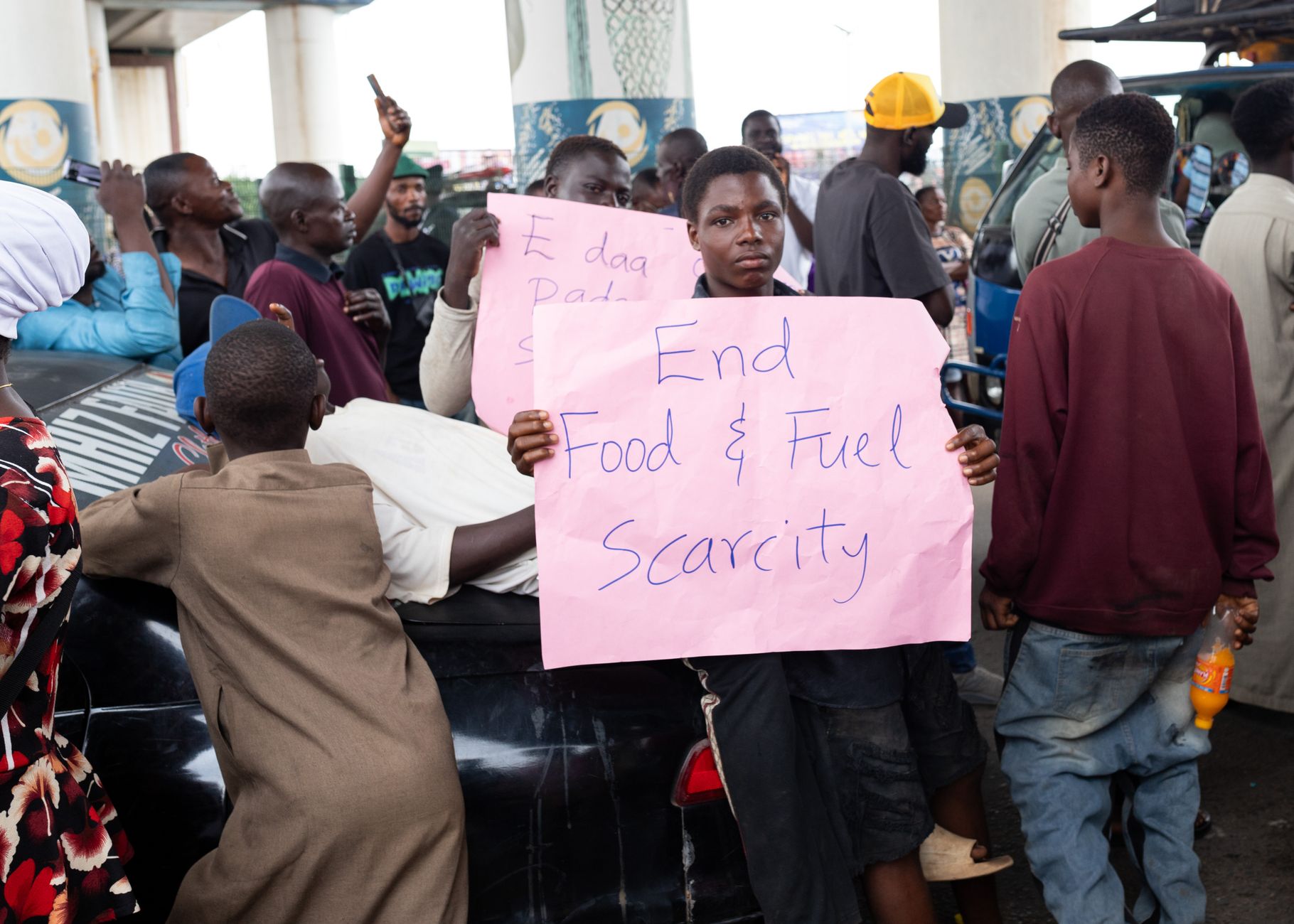
Kinshasa police disperse protest over Tshisekedi term-limit bill
Police used tear gas in Kinshasa on Friday as opposition supporters rallied against a constitutional proposal that opponents say could reopen Democratic Republic of the Congo President Félix Tshisekedi's route to a third term. The demonstration was organised by C64, an opposition alliance built around Article 64 of the constitution, and descended into clashes between opposition supporters and pro-government activists outside Parliament. The Congolese Constitution sets a five-year presidential mandate renewable once and Article 220 states that the number and duration of presidential mandates cannot be revised. A bill before the National Assembly would reportedly create an exception in cases of major institutional dysfunction, potentially followed by a referendum. Martin Fayulu's official Facebook footage showed the opposition figure injured during the rally. The confrontation lands in a country already under pressure from eastern fighting involving M23, an Ebola outbreak and unresolved memories of Joseph Kabila's delayed exit from power.
For Belgian readers, this is not a distant constitutional fight. Belgium's colonial history, diplomatic relationship and Congolese diaspora mean instability in Kinshasa is followed closely in Brussels, Antwerp and federal foreign-policy circles. EU institution staff and policy-engaged businesses also track DRC politics because the country is central to critical minerals, conflict-mineral due diligence and regional security policy. The direct story remains Congolese: whether constitutional guardrails hold in a state already strained by war, disease and distrust of elections.
Democratic Republic of the Congo (central African state, independent from Belgian rule in 1960) is Belgium's former colony and a major source of cobalt and copper. Kinshasa (DRC capital and seat of national institutions) is the political centre of the dispute. Félix Tshisekedi (DRC president since 2019, re-elected for a second term due to end in 2028) is the incumbent whose future eligibility is at stake. C64, or Coalition Article 64 (opposition alliance formed in 2026 around a constitutional article on resisting unconstitutional rule), organised the protest. The National Assembly (lower chamber of the DRC Parliament) is considering the disputed bill. Martin Fayulu (opposition leader and 2018 presidential runner-up) was among those shown injured. M23 (rebel movement active in eastern DRC and widely described by UN and Western governments as Rwanda-backed) remains a separate but destabilising security crisis. Joseph Kabila (DRC president from 2001 to 2019) is the precedent haunting term-limit politics.
Background
The Congolese Constitution adopted after the war-era transition created a two-term presidential limit; Constitute's text of Article 70 sets a five-year mandate renewable once, while Article 220 protects the number and duration of presidential mandates from revision. The precedent is Joseph Kabila's delayed exit: Brookings' 2016 analysis said critics viewed election postponement as a way to prolong his rule after his final term. Protests in 2015 and 2016 over electoral delays and term limits turned deadly, and the 2018 election eventually produced the country's first peaceful transfer of presidential power when Tshisekedi took office in January 2019.
The wider picture
DRC politics sits inside a wider struggle over Central African security and strategic minerals. Eastern DRC's conflict with M23, Rwanda's disputed role, and global demand for cobalt, copper and coltan make Kinshasa's constitutional stability more than a domestic issue. A succession crisis would weaken a state already central to supply chains and regional security diplomacy.
Why now
The trigger is a proposed constitutional bill before the National Assembly that opponents say would create a path around protected presidential term-limit provisions. The rally matters now because Tshisekedi's second term runs to 2028, making succession planning politically active well before the formal campaign period.
What to watch
Watch whether the National Assembly publishes or advances the exact bill text, whether C64 announces further protests, whether police or hospitals release casualty and arrest figures, and whether Tshisekedi publicly rules in or rules out a 2028 referendum strategy.
Opposing perspectives
- C64 opposition coalition
C64 frames the bill as an attempt to breach Article 220's protected term-limit barrier and keep Félix Tshisekedi politically available beyond 2028. Its strongest argument is constitutional: once an exception is created for institutional dysfunction, the two-term rule becomes vulnerable to executive interpretation and referendum pressure.
- Tshisekedi supporters and pro-government activists
The pro-government frame is that constitutional reform can be legitimate if voters approve it and if institutions are paralysed. From this view, a referendum would express popular sovereignty rather than a palace manoeuvre, and the opposition is using the term-limit issue to weaken an elected president during wartime pressure.
- Constitutional-restraint analysts
The legal-restraint frame begins with the text of Article 220: some constitutional provisions are deliberately placed beyond ordinary revision. This view does not require judging Tshisekedi's intentions; it argues that changing the amendment rules around presidential mandates would damage the credibility of all future electoral guarantees.
Sources & evidence
- Al Jazeera - Clashes break out at DRC rally against presidential term-limit change · 2026-06-12
- Associated Press - Clashes erupt in Congo's capital as opposition rejects changes to presidential term limits · 2026-06-12
- Constitute Project - Congo (Democratic Republic of the) 2005 (rev. 2011) Constitution
- John Mukum Mbaku, The postponed DRC elections: Behind the tumultuous politics, Brookings Institution, 2016 · 2016-11-18
- United Nations Security Council Resolution 2773 (2025) on the situation concerning the DRC · 2025-02-21