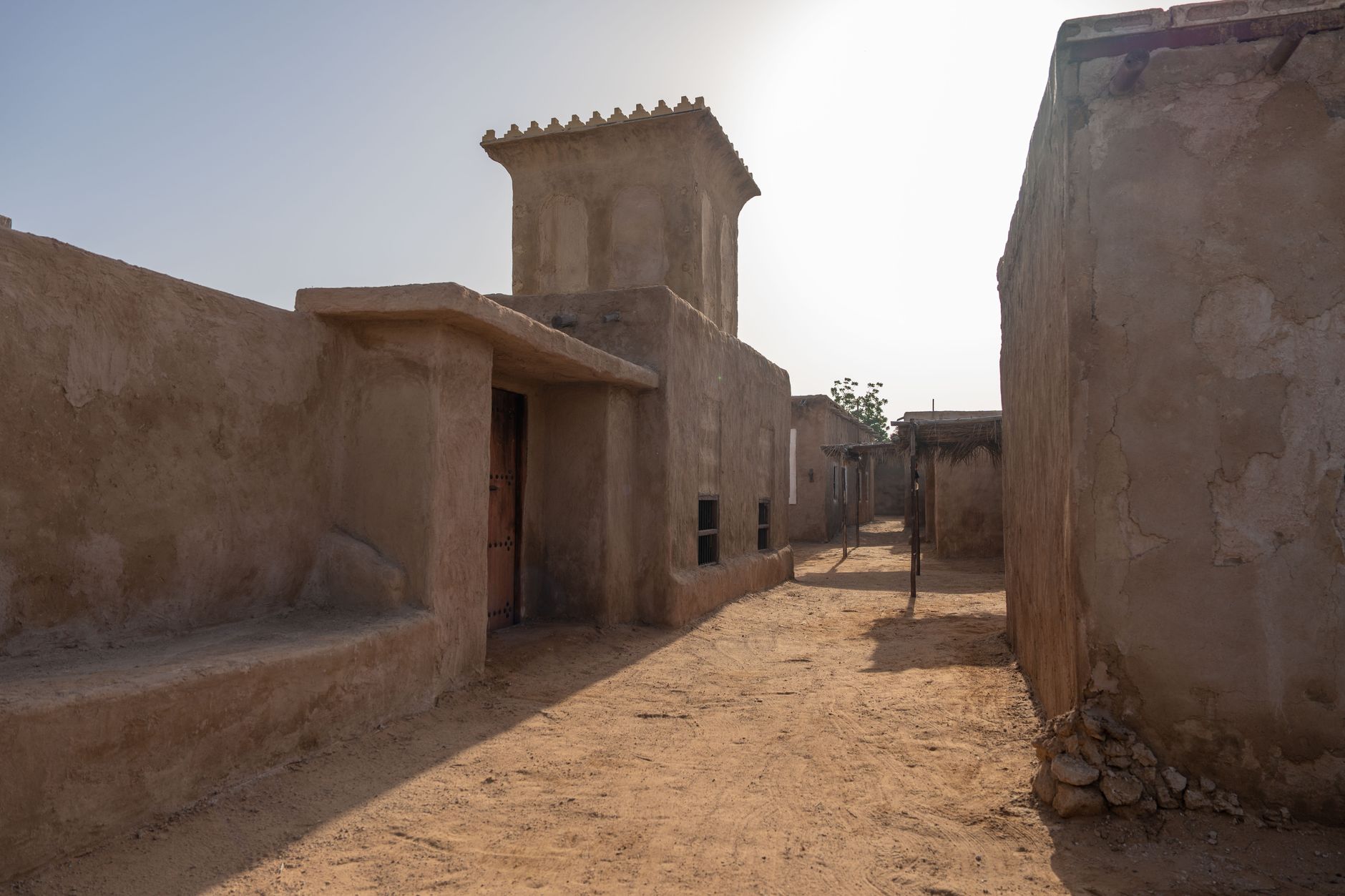
Mauritania courts desert tourists as Sahel insecurity shadows Adrar
Mauritania is trying to rebuild desert tourism around Atar, Chinguetti and the Adrar region after years in which armed attacks and kidnappings pushed many European visitors away. The main story is not a sudden mass reopening but a cautious attempt to turn Mauritania's relative security success into jobs for guides, drivers, guesthouses and heritage towns. The country has avoided major attacks on its soil since 2011, according to Africa Center for Strategic Studies analysis, after military reforms, border controls and community engagement. Yet European travel advice still treats parts of Mauritania as risky: the UK Foreign, Commonwealth and Development Office advises against travel to eastern areas, the Mali border zone and parts of Adrar and Tagant. For Belgium Pulse readers, the relevance is practical and strategic: Mauritania is both a niche travel destination and an EU partner in Sahel security, migration management and regional stability.
For Belgian travellers, families planning adventure holidays and tour operators selling Saharan trips, the story is a reminder that destination marketing and consular risk do not always move together. Belgian insurers and employers usually take official travel advice seriously when assessing cover, duty of care and evacuation risk. For EU policy readers in Belgium, Mauritania also matters because the European Commission and Spain presented it in 2024 as a partner on migration, border security and Sahel stability.
Mauritania (northwest African state between Morocco, Algeria, Mali, Senegal and the Atlantic) is a Sahel and Sahara country whose stability matters to European migration and security policy. Adrar (central-northern Mauritanian region with Atar as its main town) is the hub of desert tourism. Atar (Adrar's regional capital, served by an airport) is the usual gateway for travellers heading into the desert. Chinguetti (historic oasis town in Adrar, part of a UNESCO-listed World Heritage property since 1996) is known for manuscript libraries and Saharan architecture. Ouadane, Tichitt and Oualata (the other ancient ksour named by UNESCO) form the same heritage listing. Al-Qaeda in the Islamic Maghreb, or AQIM (al-Qaeda-linked North African and Sahelian militant network formed in 2007), was behind earlier regional threats. Mohamed Ould Ghazouani (Mauritania's president since 2019 and a former army chief) leads the state now promoting security and economic recovery.
Background
Africa Center for Strategic Studies analysis says Mauritania was hit by jihadist violence from 2005, including the Lemgheity army-base attack and later abductions of Westerners. The 2007 killing of French tourists near Aleg helped trigger the cancellation of the 2008 Dakar Rally in Africa, while later kidnappings deepened the collapse in European desert tourism. The same research argues Mauritania has avoided major attacks since 2011 through military reform, mobility, intelligence and community engagement. UNESCO's listing of the ancient ksour since 1996 gives the tourism revival a heritage dimension beyond beach or resort travel.
The wider picture
Mauritania's tourism push is unfolding beside a fractured Sahel. Mali, Burkina Faso and Niger have moved through coups, strained relations with Western partners and deeper security crises, while the EU has sought practical partnerships with comparatively stable neighbours. Tourism is therefore a small economic signal inside a larger contest over state resilience, migration routes and jihadist spillover.
Why now
The story is timely because Mauritanian operators are again trying to attract visitors to Adrar while European governments still maintain detailed security warnings. The contrast makes the revival newsworthy: the country's image is improving faster than the risk environment has fully disappeared.
What to watch
Watch future European travel-advice updates, the continuity of flights or organised tours to Atar, and security incidents along the Mali border. Any change in those three signals would quickly affect whether the tourism revival remains symbolic or becomes commercially durable.
Opposing perspectives
- Mauritanian tourism operators and Adrar communities
Local tourism interests would frame the revival as overdue economic recovery: if Mauritania has avoided major attacks since 2011, according to Africa Center analysis, then guides, drivers, guesthouses and heritage towns should not remain frozen by the reputation built during the 2000s security crisis.
- European consular and insurance-risk community
The travel-risk frame is more cautious. The UK Foreign, Commonwealth and Development Office advice still marks several border and interior zones as unsafe for ordinary travel, so insurers, employers and cautious travellers may treat the Adrar revival as limited rather than a broad green light.
- Sahel security researchers
Africa Center analysis presents Mauritania's record as a real security achievement but not a permanent guarantee. Its argument is that reform, border presence and community engagement reduced attacks, while weak regional cooperation and instability in Mali can still make gains fragile.
Sources & evidence
- Al Jazeera - After battling armed attacks, Mauritania attempts to revive tourism · 2026-06-14
- UK Foreign, Commonwealth and Development Office - Mauritania travel advice · 2026-03-24
- UNESCO World Heritage Centre - Ancient Ksour of Ouadane, Chinguetti, Tichitt and Oualata
- Anouar Boukhars, Keeping Terrorism at Bay in Mauritania, Africa Center for Strategic Studies, 2020 · 2020-06-16
- Associated Press - The EU announces 210 million euros in aid to help Mauritania curb migration · 2024-02-08
- The Guardian - EU leaders unveil 210m euro Mauritania deal in bid to curb people-smuggling · 2024-02-08