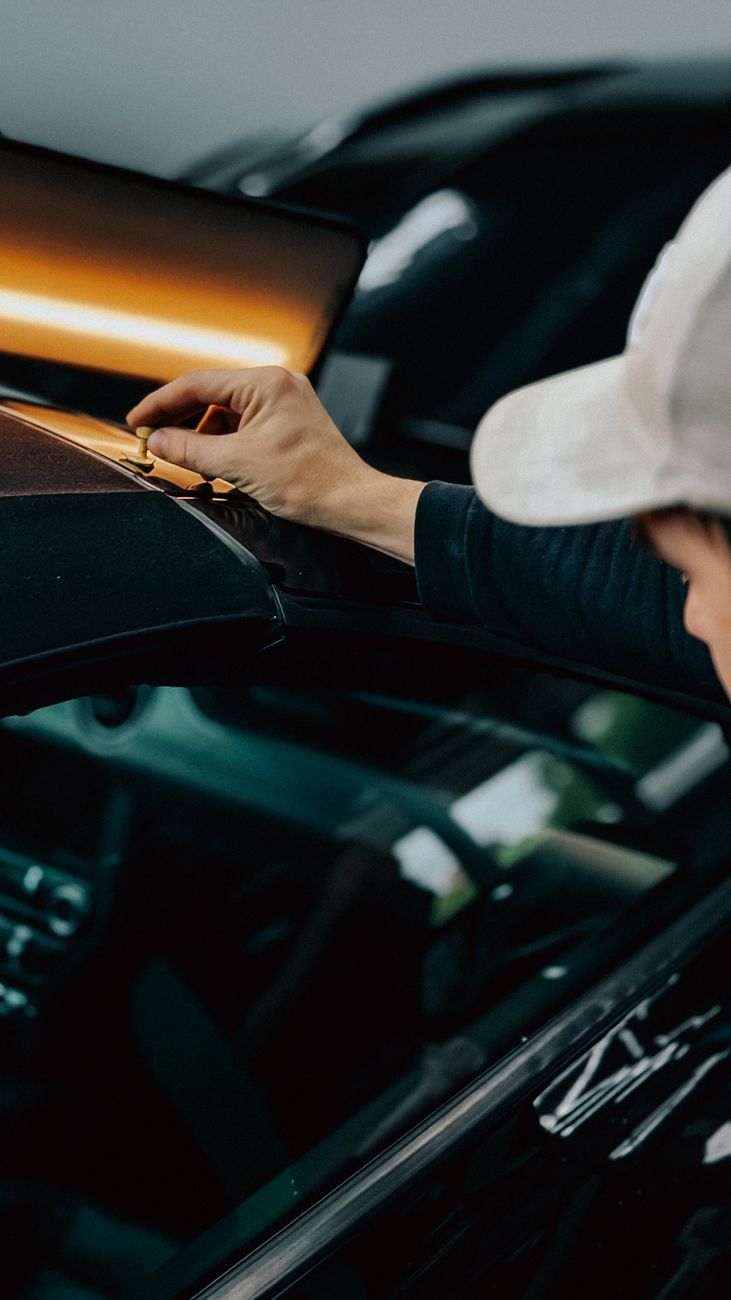
Mechelen repair shop faces hundreds of hail-damaged cars after storm
MECHEN, 24 June 2026 — A car repair company in Mechelen is handling hundreds of vehicles damaged by a recent hailstorm, HLN reported, as owners seek repairs for rows of small dents left in bodywork. The Royal Meteorological Institute says hail can cause damage during thunderstorms and classifies hailstones of 1 to 2 centimetres as a threshold for yellow-level thunderstorm risk.
The story matters because hail damage creates an immediate repair bottleneck for car owners, insurers and garages. For drivers, the main questions are repair timing, insurance cover and whether dents can be removed without replacing body panels.
The subject is post-storm vehicle damage in Mechelen, where HLN reported that a local company is helping hundreds of victims of a hailstorm. The practical issue is how motorists get small hail dents out of a car, often through specialist bodywork repair rather than ordinary cleaning or polishing.
Background
Belgium regularly faces short, intense thunderstorms in spring and summer. The RMI warning system treats hail as one of the hazards that can turn a thunderstorm into a damaging weather event, alongside heavy rain, wind gusts and lightning.
Impact
Regional — The impact is local to Mechelen and surrounding parts of Antwerp province, where HLN reported a concentration of motorists seeking help after the hailstorm.
Opposing perspectives
- Vehicle owners seeking fast repairs
Drivers affected by hail damage want quick appointments and clear insurance answers, especially when a car remains usable but visibly dented. Their priority is restoring value and appearance without long delays.
- Repair companies managing capacity
Bodywork specialists face a sudden surge in similar cases after hailstorms. Their priority is triage, parts availability and repair methods that handle many small dents efficiently without overloading workshop schedules.
- Insurers assessing weather claims
Insurers need documentation of storm damage, policy cover and repair estimates before approving claims. Their priority is distinguishing covered hail damage from pre-existing bodywork damage and controlling repair costs.