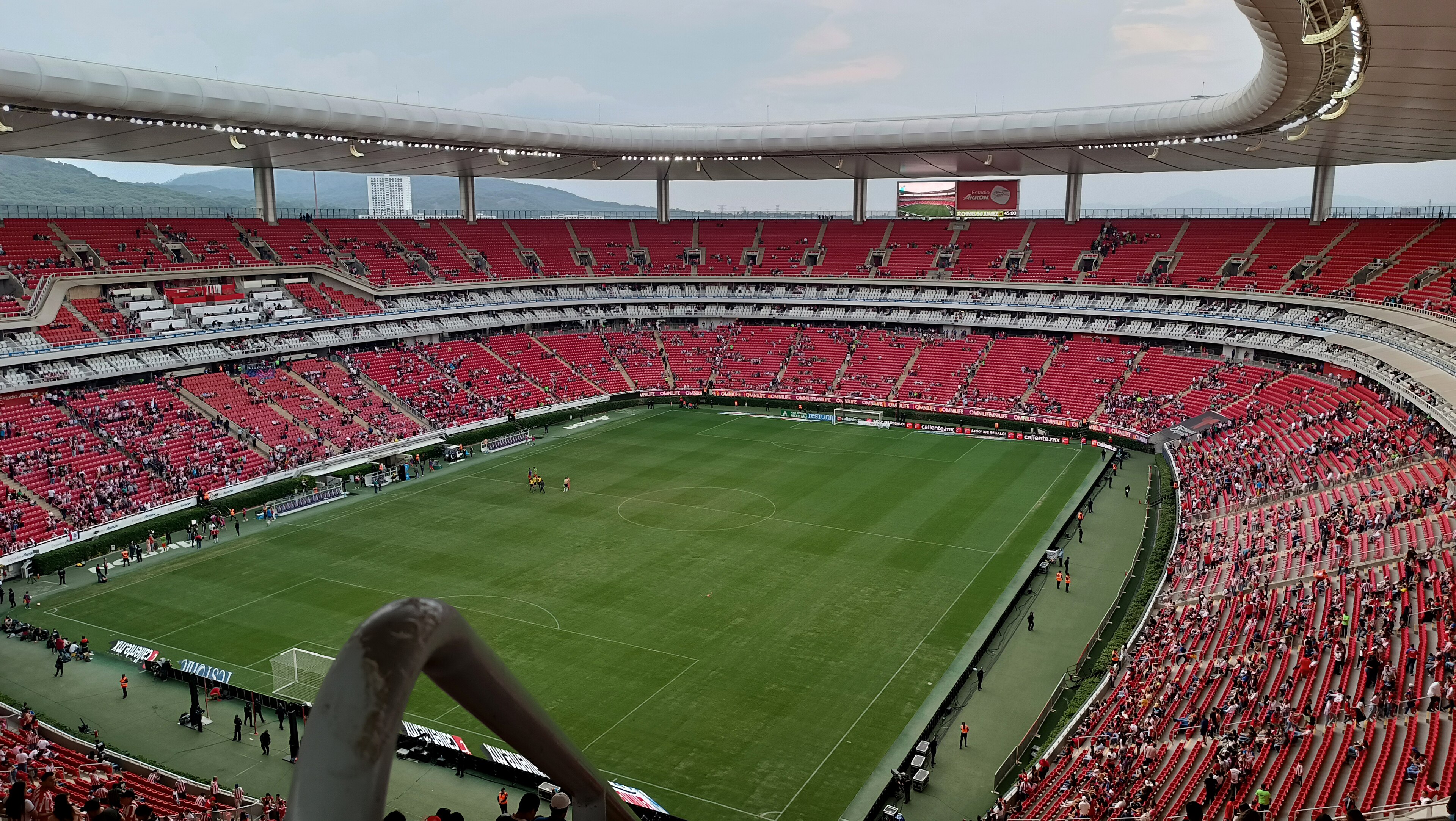
Mexico meet South Korea in Guadalajara with Group A control at stake
Mexico’s second 2026 World Cup match against South Korea has become the first real pressure point for the co-hosts. FIFA’s schedule puts the Group A game in Guadalajara on 18 June, after Mexico opened with a 2-0 win over South Africa and South Korea began with a win against Czechia, according to public match reports and fixture lists. The sporting question is whether Javier Aguirre’s side can turn home advantage into early control of the group, or whether South Korea’s pace and tournament experience can make the section less predictable. FIFA’s competition format gives the top two teams in each group, plus the eight best third-placed teams, access to the round of 32, so one result will not decide everything. But a win here would reshape the final matchday and reduce the margin for error for the rest of Group A.
For football fans in Belgium, this is a marker game in the first expanded men’s World Cup rather than a Belgian fixture. The result helps shape the round-of-32 bracket that Belgium could eventually enter if the Red Devils progress from Group G. Belgian residents with Mexican or Korean ties, sports bars, broadcasters and late-night viewers also have a practical stake: public fixture lists put this game in North American evening time, meaning an overnight watch in Belgium.
FIFA (the Zurich-based world football governing body founded in 1904) runs the World Cup and sets its match schedule and tournament regulations. The 2026 FIFA World Cup (men’s tournament staged in Canada, Mexico and the United States from 11 June to 19 July 2026) is the first edition with 48 teams. Group A (the opening-round section containing Mexico, South Africa, South Korea and Czechia) feeds into the new round-of-32 format. Estadio Guadalajara, also known as Estadio Akron (Guadalajara stadium opened in 2010 and home to Chivas), hosts Mexico’s match against South Korea. Javier Aguirre (Mexican coach born in 1958, in his third spell with the national team) leads the co-hosts. Son Heung-min (South Korean forward and long-time Premier League star) remains South Korea’s most recognisable attacker. Raúl Jiménez (Mexican striker born in 1991) gives Mexico a senior focal point up front.
Background
Mexico and South Korea carry unusual World Cup history into this meeting. Tournament records list Mexico beating South Korea 3-1 in France in 1998 and 2-1 in Russia in 2018. The relationship then turned friendly in the same 2018 group, when South Korea’s 2-0 win over Germany helped Mexico survive despite Mexico’s own loss to Sweden, a result widely remembered for Mexican celebrations outside South Korean diplomatic premises. Mexico’s broader World Cup ceiling is also familiar: FIFA historical records list quarter-final finishes as host in 1970 and 1986, but no semi-final appearance.
Why now
The game is timely because 18 June opens the second round of Group A fixtures. Mexico and South Korea both arrive with early points, so the match now carries more weight than a routine middle group game.
What to watch
Watch the tempo of Mexico’s midfield, South Korea’s transitions through Son Heung-min, and discipline. Under FIFA’s expanded format, goal difference and cards can matter if teams later fall into third-place ranking calculations.
Opposing perspectives
- Mexico-focused match analysts
The Guardian frames Mexico’s position as optimistic but not settled: the opening win relieved pressure, yet the side still needs sharper attacking rhythm and must manage selection changes after a suspension. In this reading, home advantage helps, but Mexico cannot treat the group as already controlled.
- Neutral tournament-preview writers
SB Nation’s matchday framing treats Group A as still open after uneven first performances. The strongest version of this view is that both Mexico and South Korea have points, but neither has yet shown enough control to make the Guadalajara game a formality.
Sources & evidence
- Al Jazeera - World Cup predictions: Mexico vs South Korea, Canada vs Qatar and more · 2026-06-18
- FIFA - FIFA World Cup 2026 tournament page
- The Guardian - From frustration to party time: Mexico ready for lift-off after steady start · 2026-06-18
- SB Nation - World Cup schedule 2026: How to watch every match, scores, and more · 2026-06-18
- TIME - All It Took Was Beating Germany to Unite Mexico and South Korea World Cup Fans · 2018-06-27
- FIFA World Cup 2026 Regulations · 2025-05-01