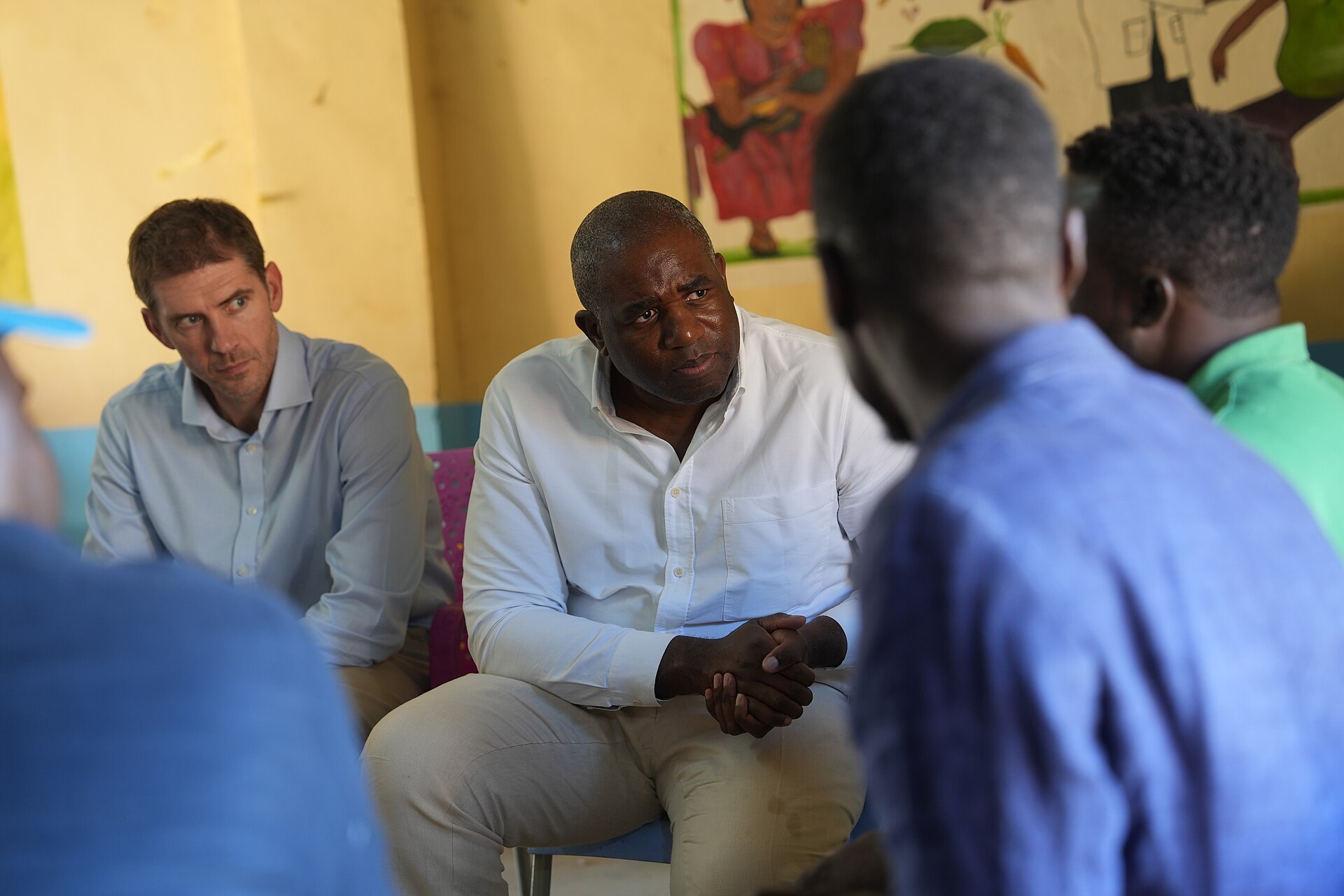
MSF dismisses 18 staff after Chad exploitation investigation
MSF's internal report says its investigation into operations in eastern Chad found 59 allegations of misconduct, including sexual exploitation and abuse of Sudanese refugees, Chadian residents and MSF staff or contractors. MSF said in its response that 18 staff members were dismissed or barred from future employment, while some allegations could not be verified or tied to named perpetrators. The case matters beyond one organisation because MSF is a major medical actor in displacement settings and has a Belgian section that recruits staff and raises donations. European Commission's Chad factsheet says the EU allocated €72.04 million in humanitarian aid to Chad in 2026, including support for Sudanese refugees and returnees, making safeguarding a donor and public-trust issue for EU taxpayers as well as aid workers and affected communities.
For Belgian donors, aid workers, medical volunteers, NGOs, public officials and EU taxpayers, the case tests whether humanitarian organisations can police power imbalances where people depend on food, water, healthcare and jobs. MSF has a Belgian office and fundraising presence, while European Commission's Chad factsheet says EU humanitarian money is supporting refugees and returnees in Chad. The direct victims are in Chad, but accountability failures can affect trust in organisations that Belgian residents fund, join and rely on during global crises.
MSF (Médecins Sans Frontières, the medical humanitarian NGO founded in 1971 and known in Belgium as Artsen Zonder Grenzen/Médecins Sans Frontières) runs emergency medical programmes in conflict and disaster zones. Chad (landlocked Central African state bordering Sudan) hosts large numbers of people fleeing the Sudan war. Eastern Chad (the border region around Adré and other reception sites) is where many Sudanese refugees have crossed since 2023. Sudanese refugees (people displaced by Sudan's war that began in April 2023) depend heavily on aid in neighbouring countries. European Commission's Directorate-General for European Civil Protection and Humanitarian Aid Operations, known as DG ECHO (the EU humanitarian aid department), funds emergency assistance outside the EU. UNHCR (the UN refugee agency) tracks Sudan displacement and coordinates refugee protection data. Humanitarian Accountability Partnership International (Geneva-based accountability initiative later folded into sector standards) researched why abuse survivors often do not complain.
Background
Humanitarian Accountability Partnership International's 2008 study argued that weak complaint systems and unequal power between aid providers and affected people help explain under-reporting of sexual exploitation and abuse. The sector has faced repeated scandals: the 2002 West Africa refugee-camp allegations involving aid workers and peacekeepers prompted new UN and NGO safeguards, while 2018 disclosures about Oxfam in Haiti and MSF misconduct cases widened donor scrutiny. AP's 2024 reporting on Sudanese women in Chad was followed by a UN in Chad statement saying the allegations warranted urgent action and cooperation with authorities.
The wider picture
Sudan's war has pushed instability across borders, especially into Chad, where humanitarian agencies operate amid displacement, food insecurity and security pressure. Safeguarding failures in that setting can deepen mistrust in international aid at a time when Western and EU donors are trying to keep assistance flowing despite conflict spillover and chronic underfunding.
Why now
The story is timely because MSF's confidential internal report has now been reported publicly, turning earlier 2024 allegations from refugee sites in Chad into a documented organisational accountability case with dismissals and recommended reforms.
What to watch
Watch whether MSF publishes more detail on reforms without exposing survivors, whether donors request audits of safeguarding systems, and whether UN protection actors in Chad report stronger complaint pathways for refugees and local staff.
Opposing perspectives
- MSF leadership
MSF leadership would frame the case as a serious internal failure that required dismissals, stronger recruitment checks and better reporting channels. MSF said in its response that the investigation was meant to confront abuse proactively, while acknowledging that lasting change still requires further work.
- Refugee protection advocates
Protection advocates would argue the report shows safeguarding cannot rely on posters, complaint boxes or training alone where refugees depend on aid for survival. Humanitarian Accountability Partnership International's 2008 study argued that survivors often face structural barriers to complaining because aid providers hold far more power.
- EU humanitarian donors
EU humanitarian donors would see the case as an accountability test for funded operations in Chad. European Commission's Chad factsheet says EU aid supports food, health, protection and shelter, so donor confidence depends on partners proving that safeguarding systems work in the field, not only in headquarters policies.
Sources & evidence
- Al Jazeera - Doctors Without Borders investigation finds exploitation by staff in Chad · 2026-06-13
- Associated Press - Doctors Without Borders report found cases of abuse and exploitation by staff in Chad · 2026-06-13
- Associated Press - UN investigates sexual exploitation allegations against aid workers in Chad following AP story · 2024-11-26
- Associated Press - They fled war in Sudan. Now, women in refugee camps say they're being forced to have sex to survive · 2024-11-16
- European Commission DG ECHO - Chad factsheet · 2026-04-21
- UNHCR Operational Data Portal - Sudan situation · 2026-06-05
- MSF Belgium - Doctors Without Borders Belgium homepage
- Humanitarian Accountability Partnership International - To complain or not to complain: still the question, 2008 · 2008-06-25