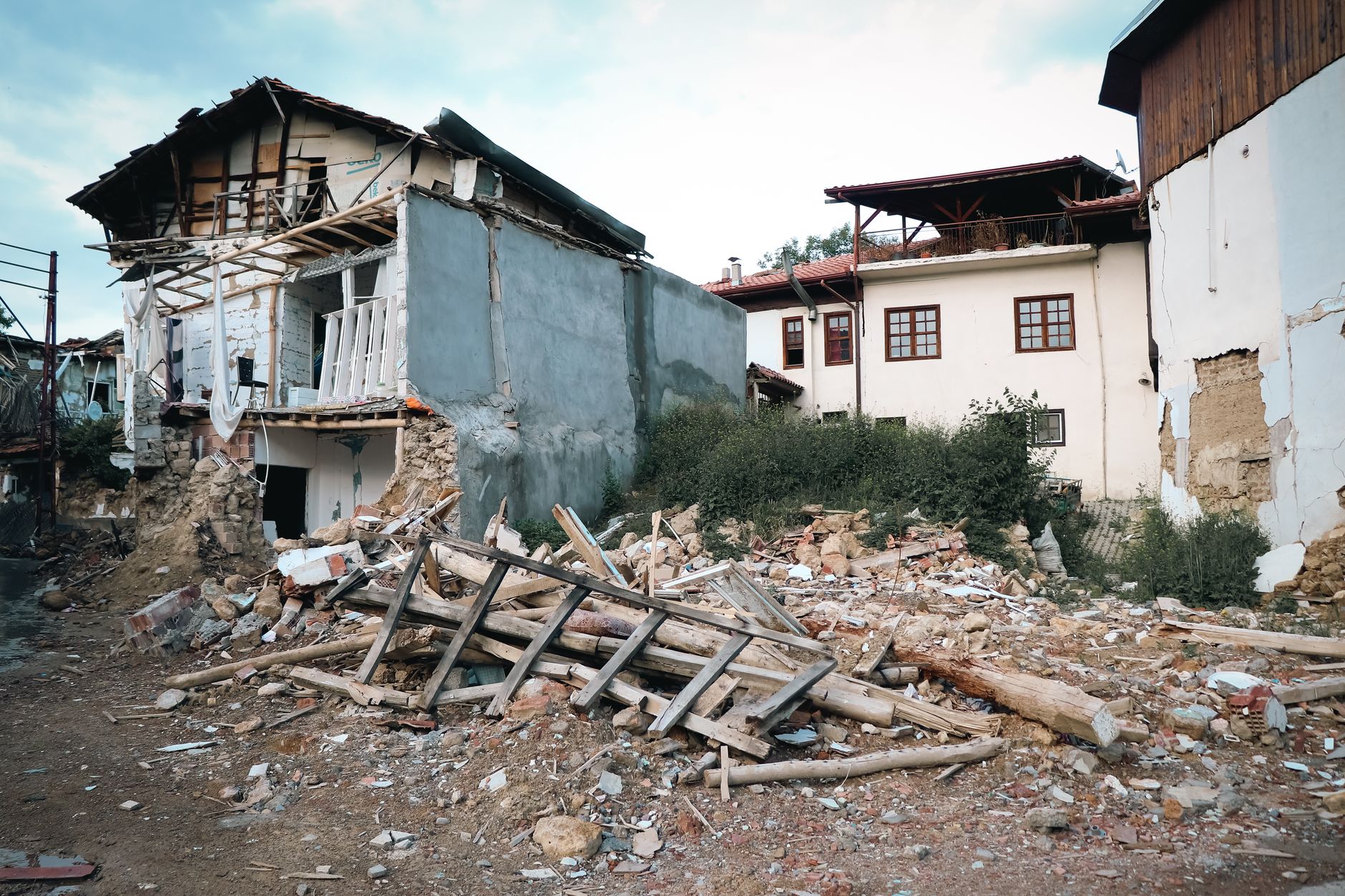
Philippine rescuers search Mindanao after deadly 7.8 quake
Philippine officials said the death toll from Monday's offshore Mindanao earthquake has risen as rescue teams continue searching damaged buildings and landslide areas in the south. The latest count cited by officials on Friday put the toll at 55 dead and 31 missing, after earlier figures of 46 dead and 38 missing. The Philippine Institute of Volcanology and Seismology said the 7.8-magnitude quake struck off Sarangani province on June 8, close to General Santos City, and officials said it injured about 1,120 people, displaced more than 45,000 and damaged more than 12,600 houses. The broader lesson is not only the scale of the disaster but the mixed performance of preparedness: civil-defence officials credited school drills and teacher training with limiting casualties, while collapsed low-rise buildings point to continuing weaknesses in construction oversight and local resilience.
For Belgium Pulse readers, the story matters first as a major humanitarian disaster in a country with close family, work and community links to Belgium. The Philippine Embassy community material identifies a Filipino presence in Belgium, while Belgium maintains consular relations with Manila for Belgian travellers and residents in the Philippines. For Belgian aid workers, NGOs, schools and disaster-risk specialists, the quake also offers a concrete test of how drills, building standards and local response systems shape survival in high-risk regions.
Mindanao (the Philippines' second-largest island, in the south of the archipelago) is home to major cities, farming areas and coastal communities exposed to earthquakes and tsunamis. Sarangani province (a southern coastal province beside the Celebes Sea) was close to the offshore epicentre. General Santos City (a port city and regional tuna-export hub in southern Mindanao) recorded collapsed and damaged buildings. Glan (a municipality in Sarangani) was hit by a deadly landslide, according to provincial disaster officials. The Philippine Institute of Volcanology and Seismology, or PHIVOLCS (the national agency monitoring earthquakes, volcanoes and tsunamis), issued the seismic assessment. The Office of Civil Defense (the Philippine government's disaster-response coordinating body) helped manage evacuations and rescue work. Ferdinand Marcos Jr. (Philippine president since 2022) ordered agencies to support Mindanao and suspend classes in affected areas. The Pacific Ring of Fire (a belt of tectonic faults around the Pacific Ocean) explains the country's frequent seismic risk.
Background
PHIVOLCS and civil-defence accounts place this quake in a long Philippine pattern of destructive seismic events. AP's historical roundup, citing Philippine and disaster authorities, lists recent Mindanao shocks in November 2023 and December 2023, then two Davao Oriental quakes in October 2025. The deadliest reference point remains the 1976 Moro Gulf earthquake and tsunami, which historical seismology studies describe as a major southern Mindanao disaster. A 2023 study by Roque, Violanda, Bernido and Soria situates the Philippines within a Pacific Ring of Fire system where clustered high-magnitude seismic activity remains a recurring hazard.
Why now
The story is timely because the casualty count rose again on June 12 while search-and-rescue teams were still working through collapsed buildings, damaged towns and landslide-hit areas after the June 8 offshore quake.
What to watch
Watch for the next official casualty and missing-person updates, decisions on reopening schools and hospitals, and any engineering findings on collapsed buildings. A confirmed international aid request from Manila would also shift the story from domestic response to wider humanitarian coordination.
Opposing perspectives
- Philippine disaster-response officials
Philippine disaster-response officials argue that preparedness changed the outcome: civil-defence officials credited repeated school drills, incident-management training for principals and teacher-led response teams with preventing stampedes and keeping many pupils outdoors rather than inside collapsing structures.
- Humanitarian and child-safety agencies
Humanitarian and child-safety agencies frame the quake as a protection and recovery crisis, not only a seismic event. UNICEF said the emergency raised urgent concerns for children as classes resumed, while school and hospital damage showed how quickly public services can become unsafe after aftershocks.
Sources & evidence
- Le Soir - Séisme aux Philippines : le bilan s’élève désormais à 46 morts et 38 disparus · 2026-06-12
- AP News - Disaster drills helped prevent more deaths when powerful quake hit the southern Philippines · 2026-06-12
- AP News - A 7.8 magnitude quake in the Philippines kills at least 35, collapses buildings and sparks tsunami · 2026-06-08
- The Guardian - Powerful earthquake in southern Philippines leaves at least 37 dead · 2026-06-09
- El País - Un terremoto en Filipinas mata al menos a 32 personas y obliga a evacuar la costa de Mindanao por alerta de ts · 2026-06-08
- AP News - Some of the deadly earthquakes in the Philippines · 2026-06-08
- Roque, Violanda, Bernido and Soria, 2023 - Earthquake Occurrences in the Pacific Ring of Fire Exhibit a Collective Stoch · 2023-04-01
- People - Deadly 7.8 Magnitude Earthquake Leads Officials to Cancel Classes on First Day of School · 2026-06-08