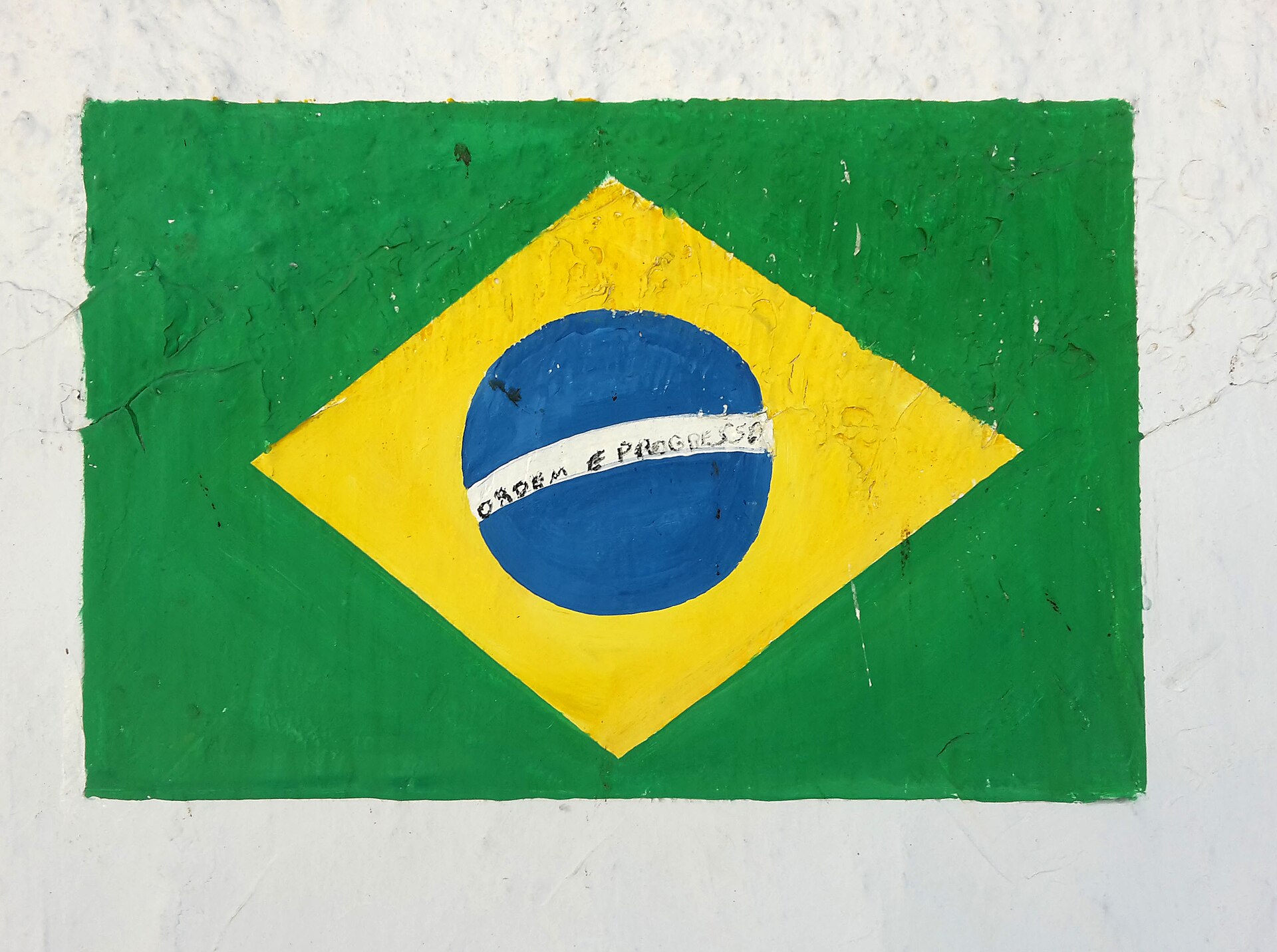
Rio artists revive World Cup street murals as Brazil turns to 2026
A video lead shows football-themed street art returning to Rio de Janeiro as Brazil begins another World Cup month with familiar public rituals: painted walls, national colours and neighbourhood displays. FIFA lists the 2026 World Cup as a June 11-July 19 tournament in Canada, Mexico and the United States, with Brazil drawn into Group C and Belgium into Group G. The Rio scenes fit a wider Brazilian pattern: Rua 3 organisers in Manaus say residents have painted qualifying nations' flags on the pavement and plan to watch Brazil matches under street decorations, while Rio artisan Jarbas Meneghini Carlini says World Cup years lift demand for handmade trophy replicas. The comeback is not only decorative. A Datafolha poll published in April found weaker Brazilian interest in the tournament, making visible street art a test of whether community rituals can still restore the Seleção's pull.
For Belgian football fans, sports bars, broadcasters and families following the Red Devils, Rio's murals show the other side of a World Cup that Belgium enters as a participant but experiences from afar. The direct story is Brazilian fan culture, not Belgian policy. Still, it helps Belgian readers understand why World Cups remain civic events in countries where football is woven into street life, commerce and local identity, even when polling suggests enthusiasm for the national team has weakened.
Rio de Janeiro (Brazil's coastal former capital and a global football city) is the setting for the lead video. The FIFA World Cup 2026 (the men's football tournament scheduled by FIFA for June 11-July 19, 2026) is being hosted by Canada, Mexico and the United States. Brazil (five-time men's World Cup winner) remains one of football's central national teams and plays in Group C. The Seleção (Brazil's national football team nickname) carries cultural weight beyond sport. Rua 3 (a decorated street in Manaus, in Brazil's Amazon region) offers a comparable fan-art example. Jarbas Meneghini Carlini (Rio-based maker of handmade World Cup trophy replicas) represents the small-scale craft economy around the tournament. Datafolha (Brazilian polling institute) measured public interest before the tournament. Belgium (qualified for Group G, according to FIFA's tournament materials) connects the story to Belgian football audiences.
Background
Brazilian World Cup street decoration has long mixed sport, neighbourhood pride and national symbolism. The tradition gained modern global visibility during Brazil's home tournaments in 1950 and 2014, while the Seleção's yellow shirt became a powerful national emblem after the post-1950 redesign. Recent context is more complicated. The 2014 semi-final defeat to Germany at Belo Horizonte weakened confidence in the team, and the yellow jersey later acquired partisan associations in Brazilian politics. That makes 2026 street art more than nostalgia: it is a public attempt to reclaim football celebration as shared civic theatre.
Why now
The timing is the opening day of the 2026 FIFA World Cup. Rio's street-art revival appears as Brazil and other qualified teams move from preparation to competition, and as public displays become part of the tournament's first visual cycle.
What to watch
Watch whether Brazilian neighbourhood decorations spread after Brazil's first Group C match and whether strong or weak Seleção results change public participation. Belgian readers should also track Belgium's Group G fixtures and local public-viewing arrangements as the tournament moves into its first week.
Opposing perspectives
- Brazilian neighbourhood fan-art organisers
Rua 3 organisers in Manaus argue through their preparations that the World Cup still creates neighbourhood unity: residents, shop owners and children can turn streets into shared viewing spaces before Brazil's matches, making support for the Seleção a local communal act rather than a purely televised event.
- Disengaged Brazilian supporters reflected in Datafolha polling
A Datafolha poll published in April found 54% of Brazilians were not interested in upcoming World Cup matches. That frame treats Rio's street-art revival as a partial counterexample, not proof of a national rebound, because visible celebration may coexist with broader fatigue toward the Seleção.
Sources & evidence
- Euronews video lead, "Le street art de la Coupe du monde fait son retour à Rio de Janeiro" · 2026-06-11
- FIFA, FIFA World Cup 26 tournament page
- Associated Press, "World Cup anticipation reaches the center of the Brazilian rainforest" · 2026-06-05
- Associated Press, "Brazilian artisan crafts replica World Cup trophies to the joy of locals and celebrities alike" · 2026-05-18
- Le Monde, "In Brazil, the jersey of discord reflects growing disinterest in the Seleção" · 2026-05-14
- The Guardian, "The mural project honouring the Black cultural heritage of Rio de Janeiro" · 2026-05-27