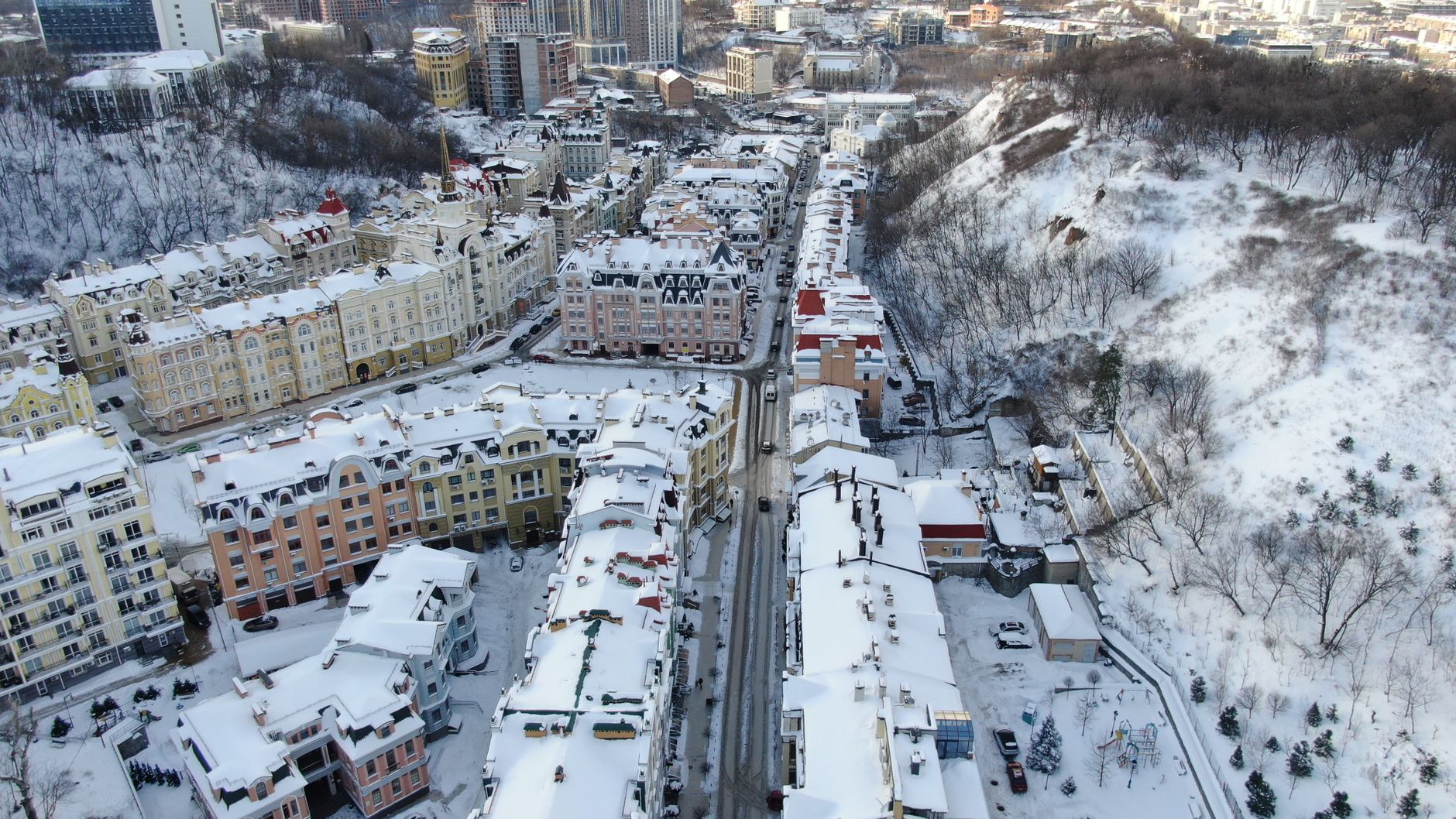
Russia strikes Kyiv and Mykolaiv with drone salvos, Ukraine says
Ukrainian authorities reported that Russian drone salvos hit Kyiv and Mykolaiv on 12 June, causing large fires in the capital and the southern port-region city. The immediate casualty picture was not independently established from the available open sources, so the central verified fact is the reported strike pattern and fire damage, not a settled toll. The attack fits a wider Russian campaign of repeated long-range drone and missile pressure on Ukrainian cities, energy assets and air defences. CSIS analysis states that Russia has used mass Shahed-style drone waves to saturate Ukrainian defences and impose costs on civilians and Western-supplied interceptors. For Belgium Pulse readers, the event matters mainly as part of Europe's security environment: Belgium is an EU and NATO member, Brussels hosts both institutions, and the Council of the EU says sanctions and military support remain central tools in the response to Russia's war.
For Belgian voters, workers, businesses and public officials, another urban drone strike in Ukraine is not a distant battlefield detail: it feeds the EU and NATO decisions made in Brussels on sanctions, air defence, refugee protection and military support. The Council of the EU says Russia-related sanctions target finance, energy, transport, technology and defence sectors, which affects compliance work for Belgian firms. Belgian residents also face the broader security debate over defence spending, energy resilience and Europe's exposure to Russian hybrid pressure.
Kyiv (Ukraine's capital and largest city) has been a repeated target of Russian long-range strikes since the full-scale invasion began in February 2022. Mykolaiv (southern Ukrainian city near the Black Sea and the approaches to Odesa) has strategic importance because of its port, shipbuilding history and proximity to front-line logistics routes. Shahed drones (Iranian-designed one-way attack drones, produced or adapted by Russia under Geran designations) are central to Russia's low-cost strike campaign. Volodymyr Zelenskyy (Ukraine's president since 2019) has pressed allies for stronger air defence and long-range capabilities. Vladimir Putin (Russia's president) launched the full-scale invasion of Ukraine in 2022. The Council of the EU (institution where EU member-state governments adopt sanctions and foreign-policy decisions) coordinates sanctions against Russia. NATO (the North Atlantic Treaty Organization, headquartered in Brussels) frames Ukraine support as part of Euro-Atlantic security, while Ukraine is not a member.
Background
Russia's long-range strike campaign against Ukrainian cities escalated after the full-scale invasion of 24 February 2022 and broadened into systematic attacks on energy, transport and civilian infrastructure. The Council of the EU says it first imposed Russia-related economic sanctions after Crimea's illegal annexation in 2014, then significantly expanded them after the 2022 invasion. CSIS analysis states that Russia sharply increased Shahed drone launches from September 2024, turning repeated drone salvos into an attrition strategy against air defences and civilian morale. AP reporting this week described continuing reciprocal long-range strikes and a largely static front line.
The wider picture
The strike sits inside a wider contest over whether Russia can use mass, low-cost aerial attacks to exhaust Ukraine and fragment Western support. CSIS analysis states that drone saturation changes the cost balance of air defence, forcing Ukraine and its partners to find cheaper interception methods. The Council of the EU says sanctions aim to weaken Russia's war economy, making each new strike politically relevant to the durability of European pressure.
Why now
The story is timely because Ukrainian authorities reported the Kyiv and Mykolaiv strikes on 12 June, alongside a week of intensified long-range attack reporting and renewed European diplomatic activity around Ukraine. The specific open-source record remains thin, so the safest framing is a reported strike within an established drone campaign.
What to watch
Watch for Ukrainian emergency-service updates on casualties and fire damage, any Ukrainian Air Force interception figures, and independent agency confirmation of the Kyiv and Mykolaiv reports. At EU level, the next signals are sanctions negotiations, air-defence pledges and any new controls on drone-related components.
Impact
Regional — The effects differ by institutional level rather than by Belgian region. At EU level, the Council of the EU says sanctions and Ukraine support are coordinated through member-state decisions, so Brussels-based institutions are directly engaged. At federal Belgian level, foreign affairs, defence, sanctions enforcement and refugee protection are national competences. Flanders, Wallonia and Brussels are touched more indirectly through Ukrainian residents, local integration services, schools and businesses that must comply with EU sanctions rules, but the strike itself produces no distinct regional policy split inside Belgium.
Opposing perspectives
- Ukrainian government
Ukraine's position, reflected in President Volodymyr Zelenskyy's public appeals cited in AP reporting, is that repeated Russian drone and missile attacks show why allies should provide more air defence, interceptors and pressure on Moscow. This frame treats the Kyiv and Mykolaiv reports as part of a coercive campaign against cities rather than isolated battlefield incidents.
- Council of the EU
The Council of the EU says sanctions are designed to weaken Russia's war economy and pressure Moscow toward meaningful negotiations. From this frame, continued urban drone strikes strengthen the case for maintaining restrictions on Russian finance, energy, transport, technology and defence, while closing loopholes around drone components and circumvention.
- Russian state framing
Russian official messaging in AP reporting on recent strike exchanges has emphasised attacks on military and energy targets and air-defence interceptions rather than civilian harm. This frame seeks to present the war as reciprocal long-range targeting, though it does not resolve the open-source uncertainty around the specific Kyiv and Mykolaiv fire reports.
Sources & evidence
- Euronews France - Des salves de drones russes frappent Kyiv et Mykolaiv, l'Ukraine fait etat de vastes incendies · 2026-06-12
- Associated Press - Ukraine launches long-range strikes on military and energy sites in Russia · 2026-06-10
- The Guardian - Ukraine war briefing: France, Germany and UK make push in Moscow for peace talks · 2026-06-12
- Council of the EU - Russia's war against Ukraine: EU sanctions
- Council of the EU - EU response to Russia's invasion of Ukraine
- Benjamin Jensen and Yasir Atalan, Drone Saturation: Russia's Shahed Campaign, CSIS, 2025 · 2025-05-13
- NATO - Relations with Ukraine