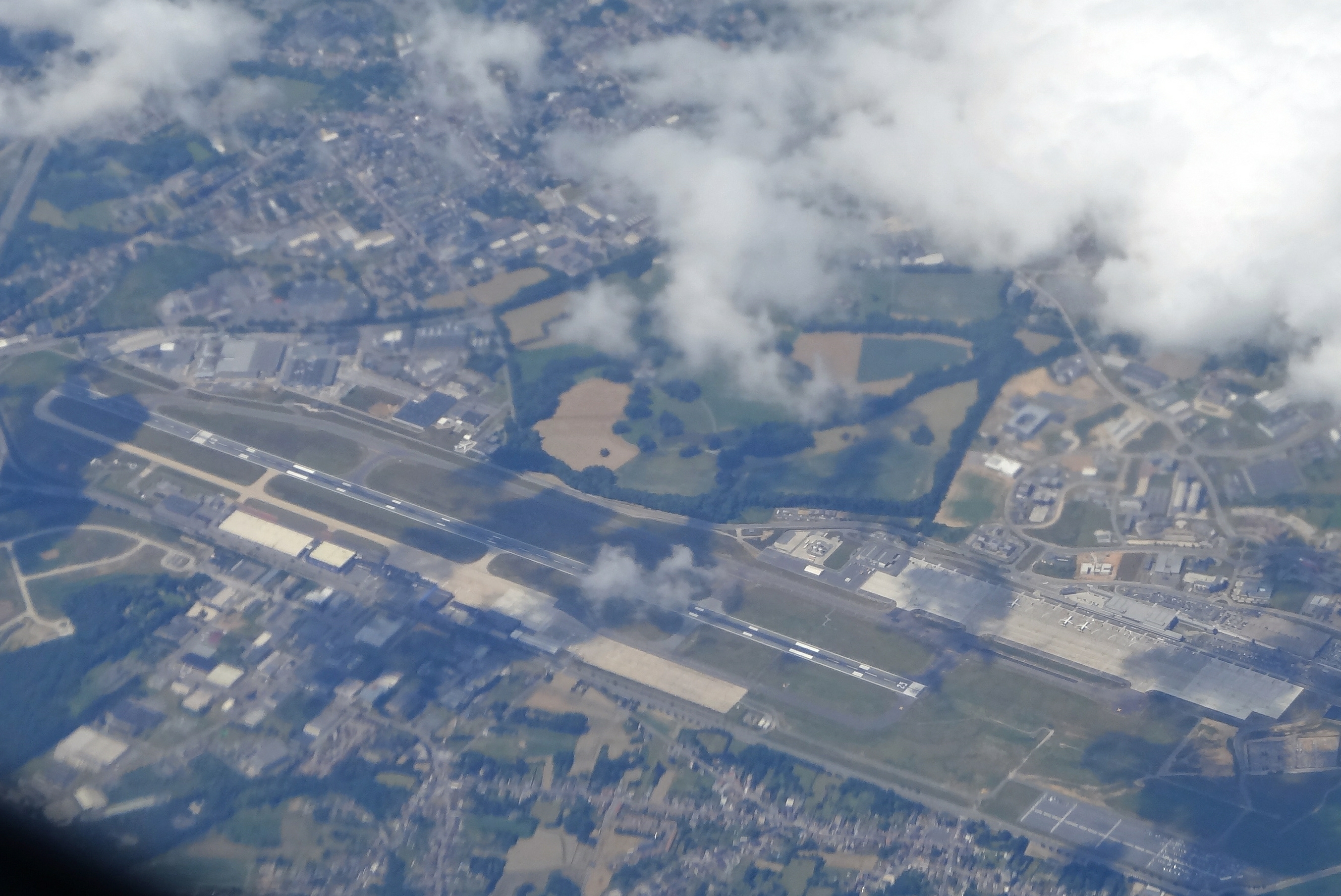
Ryanair keeps Belgian seat cuts tied to flight taxes
Ryanair says it is sticking with plans to reduce Belgian capacity by about two million seats, arguing that higher passenger taxes make growth at Brussels South Charleroi Airport less attractive. The airline has said the cuts would lower its Belgian traffic from about 11.6 million passengers to about 9.6 million over two years, with the heaviest effect at Charleroi. The dispute combines two layers of taxation: Belgium's aviation tax, introduced in 2022 and expected by Ryanair to rise more broadly, and a planned Charleroi passenger levy that the company says would add another charge on departures. For passengers, the immediate issue is not a shutdown but thinner route choice, fewer cheap-seat promotions and possible fare pressure. For policymakers, the case tests whether aviation taxation can steer demand and raise revenue without weakening a Walloon airport built around low-cost traffic.
Belgian travellers who use Ryanair for lower-cost trips from Charleroi face the most direct effect: fewer seats usually mean fewer bargain fares and less route flexibility. Charleroi airport workers, ground handlers, coach operators and local hospitality businesses are exposed if traffic falls. Belgian taxpayers and voters also have a stake because the dispute is about whether aviation should pay more of its environmental and fiscal cost. Brussels-based EU staff and international residents are affected mainly as frequent short-haul users.
Ryanair (Irish low-cost airline founded in 1984, led by group CEO Michael O'Leary) is Belgium's largest short-haul carrier by the passenger figures the company cites. Brussels South Charleroi Airport (airport in Gosselies, north of Charleroi, marketed for low-cost Brussels access) is Ryanair's main Belgian base and Wallonia's biggest passenger airport. Charleroi City Council (municipal authority for Belgium's largest Walloon city) is the local body Ryanair says plans a passenger levy. Belgium's federal government (the national executive responsible for federal taxation) introduced an aviation boarding tax in 2022. Bart De Wever (Belgian prime minister since 2025 and N-VA leader) is the federal political figure Ryanair has publicly urged to scrap the tax. CE Delft (Dutch research consultancy specialising in environmental economics and transport) has modelled how aviation taxes affect fares, demand and emissions.
Background
Ryanair's Belgian leverage comes from a long Charleroi relationship. The airline made the airport its first continental European base in 2001, helping turn a secondary Walloon airport into a major low-cost hub. Belgium introduced an aviation boarding tax in 2022, with higher rates for the shortest flights to reflect the availability of train alternatives. Ryanair has used similar capacity warnings in other markets: it cut or threatened services in disputes over charges in Germany, Denmark, Spain and Portugal, while adding capacity where governments lowered or removed aviation taxes.
Why now
The story is timely because Ryanair is reaffirming capacity cuts as Belgium and Charleroi move through tax decisions affecting 2026 and 2027 schedules. Airlines normally lock aircraft allocation ahead of seasons, so tax uncertainty now can shape future route maps.
What to watch
Watch for formal confirmation of the Charleroi passenger levy, federal budget language on the aviation tax, and Ryanair's winter 2026 and summer 2027 timetables. Route cancellations, aircraft removals or fewer weekly frequencies would show the threat becoming operational.
Impact
Regional — The effects split across federal Belgium, Wallonia and Brussels-linked travel patterns. The federal level sets the national aviation tax and absorbs the political trade-off between climate pricing, budget revenue and connectivity. Wallonia is most exposed operationally because Brussels South Charleroi Airport is a regional low-cost hub with local jobs and airport-linked services. Brussels is affected indirectly: many passengers using Charleroi are travelling to or from the capital, even though the airport itself sits in Wallonia rather than the Brussels-Capital Region.
Opposing perspectives
- Ryanair
Ryanair argues that Belgium is pricing itself out of low-cost growth. The company says higher federal and local passenger taxes make aircraft better used in countries cutting aviation charges, and it frames the capacity reduction as a direct response to tax policy rather than weak Belgian demand.
- Belgian tax-policy supporters
Supporters of aviation taxation would argue that air travel has long benefited from favourable tax treatment compared with road and rail. CE Delft's 2019 study found ticket taxes can reduce demand and environmental pressure when designed well, so Belgium's policy can be seen as a fiscal and climate instrument, not only a charge on travellers.
- Walloon airport economy
Charleroi-linked businesses and workers would stress that the policy cost is local and immediate. Brussels South Charleroi Airport's low-cost model supports ground handling, coach links, airport retail and regional jobs, so a large Ryanair cut could weaken Wallonia's connectivity before alternative carriers fill the gap.
Sources & evidence
- HLN - Ryanair blijft bij afbouw van twee miljoen zitjes in België door vliegtaks · 2026-06-12
- Reuters - Ryanair to cut Brussels Charleroi capacity due to passenger tax · 2026-01-14
- The Sun - Ryanair axes another 2.2million seats across Europe · 2026-01-15
- EUR-Lex - Council Directive 2003/96/EC restructuring the Community framework for the taxation of energy products and ele · 2003-10-27
- CE Delft - Taxes in the Field of Aviation and their impact, Jasper Faber and Aoife O'Leary, 2019 · 2019-06-01
- Brussels South Charleroi Airport - Statistics · 2025-03-19