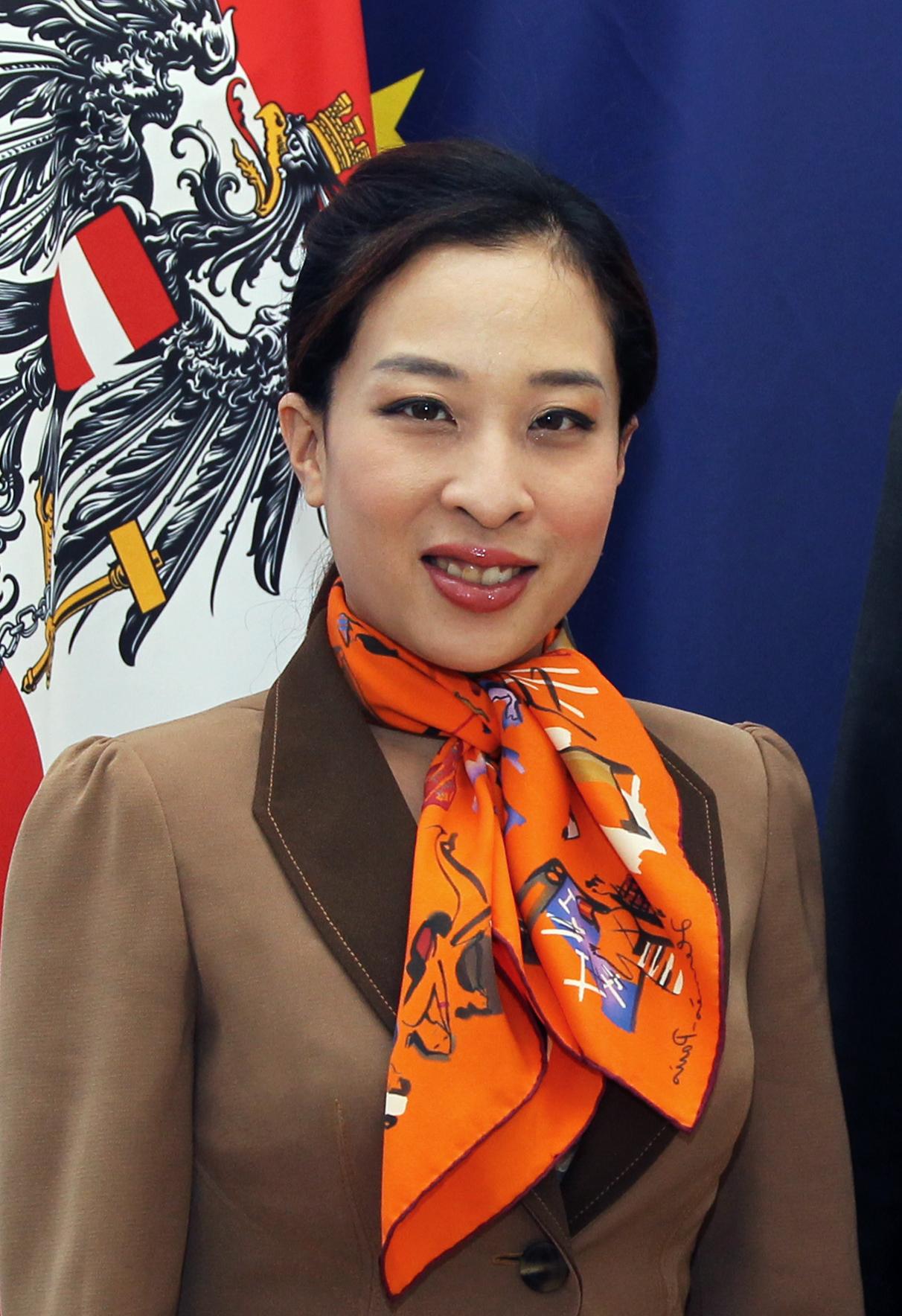
Thai princess Bajrakitiyabha's death narrows Thailand's royal succession path
Thailand's Bureau of the Royal Household said Princess Bajrakitiyabha Mahidol, the eldest child of King Maha Vajiralongkorn, died at 47 after being treated in a Bangkok hospital since losing consciousness in December 2022. The immediate story is a royal death, but its political weight lies in what it removes from Thailand's already opaque succession field. Prince Dipangkorn Rasmijoti remains widely described as the presumptive heir because Thai succession practice favours male descendants, while the king has not publicly named a crown prince. Bajrakitiyabha's public legal career, including work linked to women prisoners and the UN Bangkok Rules, had made her an unusually visible royal figure. For Belgium Pulse readers, the relevance is indirect: Thailand is an EU partner and a major Southeast Asian state where monarchy, courts, army and elected politics remain closely intertwined.
For Belgian residents, businesses, students and policy readers who follow Asia, this is not a domestic Belgian story but a stability signal from a key Southeast Asian partner. EU institutions and Belgian diplomats track Thailand because the EU-Thailand partnership framework, signed by the Council of the European Union in 2022, links Brussels to Bangkok on trade, rights, security and regional diplomacy. Belgian travellers, companies and Thai communities in Belgium are not immediately affected, but succession uncertainty can shape Thailand's political climate.
Princess Bajrakitiyabha Mahidol (Thai royal, 1978-2026, eldest child of King Maha Vajiralongkorn) was a lawyer, former prosecutor and diplomat. King Maha Vajiralongkorn, also Rama X (Thailand's monarch since 2016), has not publicly named a crown prince. Princess Soamsawali (Thai royal and Vajiralongkorn's former wife) is Bajrakitiyabha's mother. Prince Dipangkorn Rasmijoti (Thai prince born in 2005) is Vajiralongkorn's youngest child and is commonly described as the presumptive heir. King Chulalongkorn Memorial Hospital (major Bangkok hospital run by the Thai Red Cross Society) treated the princess after her collapse. The Bureau of the Royal Household (Thailand's palace administration) issues formal royal announcements. The Bangkok Rules (UN General Assembly standards adopted in 2010) set guidance for women prisoners and non-custodial measures. The Kamlangjai or Inspire project (Thai rehabilitation initiative) was associated with Bajrakitiyabha's justice work.
Background
Thailand's succession framework is rooted in the 1924 Palace Law of Succession, which prioritises male royal descendants, while later constitutional arrangements allow a princess to be considered if no male heir is appointed. King Bhumibol Adulyadej's death in 2016 showed how closely monarchy and state continuity are managed: Vajiralongkorn accepted the throne after a mourning period and was crowned in 2019. Bajrakitiyabha's collapse in December 2022 had already intensified speculation because she combined royal status with a public legal and diplomatic profile unusual within the current line of succession.
The wider picture
Thailand is a treaty ally of the United States, a central ASEAN economy and a state that balances relations with China, Western partners and regional neighbours. Royal succession uncertainty matters geopolitically because Thai domestic stability affects Southeast Asian diplomacy, investment and security cooperation. The monarchy remains one of the institutions through which Thailand's political order signals continuity.
Why now
The trigger is the palace announcement that Bajrakitiyabha died on 11 June 2026 after more than three years of hospital treatment. Her long illness had already made succession a background question; her death makes that question more immediate without creating a formal succession event.
What to watch
Watch funeral arrangements, mourning directives, the king's next public appointments, Prince Dipangkorn's visibility and any formal wording from the Bureau of the Royal Household. In EU terms, the relevant signal is whether Thai politics remains calm during the mourning period and whether foreign partners treat the event as purely ceremonial or politically significant.
Opposing perspectives
- Thai royal household and government
The Thai state frame is one of mourning and public service: the Bureau of the Royal Household announced the death as a royal loss, while Prime Minister Anutin Charnvirakul presented Bajrakitiyabha's justice work as a national legacy rather than a succession controversy.
- Monarchy analysts and reform-minded Thailand watchers
Succession-focused analysts frame the death as politically consequential because Bajrakitiyabha had the education, public profile and royal rank to be considered for a future constitutional role. They would argue that her absence narrows the palace's options and leaves Prince Dipangkorn's position more exposed to speculation.
Sources & evidence
- Al Jazeera - Thai Princess Bajrakitiyabha dies at 47 after three years in coma · 2026-06-12
- Associated Press - Thai Princess Bajrakitiyabha, who was known for her legal work, dies at 47 · 2026-06-12
- The Guardian - Thailand's Princess Bajrakitiyabha dies aged 47 after years in a coma · 2026-06-12
- Times of India - Thailand's Princess Bajrakitiyabha dies at 47 after over three years in coma · 2026-06-12
- Penal Reform International - UN Bangkok Rules on women offenders and prisoners: Short guide · 2013-07-01
- Wikipedia - Succession to the Thai throne
- Council of the European Union - EU-Thailand Partnership and Cooperation Agreement signed · 2022-12-14