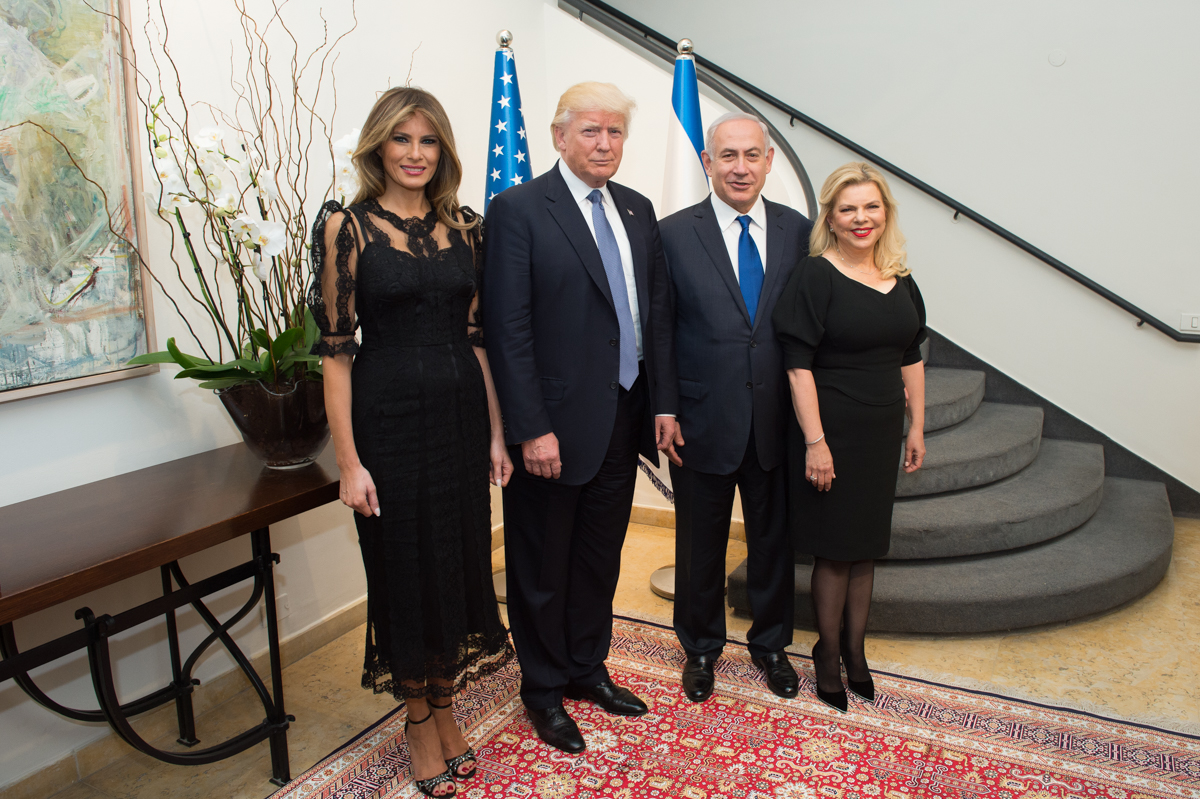
Trump presses Netanyahu to restrain Israel's Lebanon campaign
US President Donald Trump has publicly pushed Israeli Prime Minister Benjamin Netanyahu to use a softer approach in Lebanon, turning a dispute over Israeli military freedom into a test of Washington's leverage over its closest Middle Eastern ally. Trump said Israel should stop bombing Lebanon, while a US official later said the ceasefire text still preserves Israel's right to act in self-defence against planned, imminent or ongoing attacks. Netanyahu has said Israel will keep forces in a southern Lebanon security zone as long as necessary, while Hezbollah officials say any durable ceasefire must include Israeli withdrawal. The dispute matters beyond the Trump-Netanyahu relationship: UNIFIL says the Lebanon border framework still rests on UN Security Council Resolution 1701, and the latest diplomacy links Lebanon to wider US-Iran negotiations, regional energy risks and EU humanitarian concerns.
For Belgium-based readers, the story is mainly an international security issue with EU consequences. Belgian diplomats, EU officials in Brussels and humanitarian organisations track Lebanon because escalation would feed EU debates on Israel policy, aid funding and regional sanctions. Belgian residents with family, business or travel ties to Lebanon or Israel face direct uncertainty. Consumers and firms also have an indirect stake because the diplomacy is tied to Iran and maritime routes whose disruption can affect energy prices and supply chains in Europe.
Donald Trump (US president, returned to office in 2025) is trying to control escalation while pursuing a wider Iran deal. Benjamin Netanyahu (Israel's prime minister and long-serving Likud leader) is under pressure from Israeli security hawks and voters displaced from the north. Joseph Aoun (Lebanon's president, elected in 2025 after a long political vacuum) represents a Lebanese state trying to reassert sovereignty. Hezbollah (Lebanese Shia political party and armed movement founded in the 1980s, backed by Iran) is both a domestic Lebanese actor and Israel's main adversary on the northern front. UNIFIL (UN peacekeeping force in southern Lebanon, created in 1978) monitors the Blue Line border area. The Litani River (southern Lebanese river north of the Israeli border) is the line repeatedly used in ceasefire formulas. Marco Rubio (US secretary of state) has been involved in the direct Israel-Lebanon diplomacy.
Background
The Lebanon file keeps returning to the unresolved aftermath of the 2006 Israel-Hezbollah war. The UN Security Council adopted Resolution 1701 on 11 August 2006, and UNIFIL says that framework tasks it with monitoring hostilities, supporting the Lebanese Armed Forces south of the Litani and helping keep that area free of unauthorised weapons. A US-brokered Israel-Lebanon ceasefire took effect on 27 November 2024, but later fighting showed how fragile that model remained. Direct Israel-Lebanon contacts in 2026 revived memories of the failed 17 May 1983 Israel-Lebanon agreement, which collapsed under Lebanese and Syrian pressure.
The wider picture
Lebanon is the smaller front inside a larger contest among the United States, Israel, Iran and Iran-aligned armed groups. Trump's message to Netanyahu suggests Washington is trying to impose limits on an ally to preserve a regional deal. That reverses the usual image of US deference to Israeli operational choices and gives Hezbollah and Iran a diplomatic narrative of pressure working.
Why now
The story is timely because Trump is trying to hold together a broader US-Iran de-escalation while Netanyahu says Israel will maintain a security zone in Lebanon. The immediate trigger is Trump's public warning that Israeli actions in Lebanon should soften rather than expand.
What to watch
Watch whether Israel resumes major strikes, whether Hezbollah fires from or near southern Lebanon, and whether Washington publishes clearer ceasefire language. The other signal is whether Lebanon's president accepts any direct meeting with Netanyahu while Israeli forces remain on Lebanese territory.
Opposing perspectives
- Trump administration
The US position is that restraining Israeli strikes in Lebanon is necessary to protect a wider regional bargain with Iran and prevent one front from collapsing the rest of the ceasefire architecture. A US official also stresses that restraint does not mean Israel loses the right to self-defence against imminent threats.
- Netanyahu government
Netanyahu's public position is that Israel cannot withdraw from southern Lebanon while Hezbollah remains capable of threatening northern Israel. From that view, US pressure is acceptable only if it preserves Israeli operational freedom and produces credible limits on Hezbollah, not merely a diplomatic pause.
- Hezbollah and Iranian-aligned constituency
Hezbollah officials frame the US-Iran understanding as proof that Israel can be forced to limit its campaign. Their strongest argument is that no ceasefire can be stable if Israeli forces remain inside Lebanon, because occupation gives the group political and military justification to continue resistance.
- Lebanese state sovereignty camp
President Joseph Aoun's stated priority is restoring Lebanese sovereignty through diplomacy rather than allowing either Israel or Hezbollah to dictate the country's security future. This camp sees US pressure as useful only if it strengthens Lebanese state authority instead of shifting the negotiation to Tehran, Washington or militia leaders.
Sources & evidence
- Al Jazeera - Trump to Netanyahu: Use a 'softer' touch on Lebanon · 2026-06-17
- Axios - Trump shocked Netanyahu with post declaring Lebanon strikes 'prohibited' · 2026-04-17
- Axios - Trump announces 10-day ceasefire between Israel and Lebanon · 2026-04-16
- Le Monde - Amid the ruins of southern Lebanon, Hezbollah declares victory over Israel · 2026-06-17
- The Guardian - War-weary Lebanese greet truce with caution · 2026-06-15
- UNIFIL - UNIFIL Mandate · 2025-09-02
- CSIS - The Coming Conflict with Hezbollah, Seth G. Jones, Daniel Byman, Alexander Palmer and Riley McCabe, 2024 · 2024-03-21