UK confronts Brexit legacy ten years after referendum
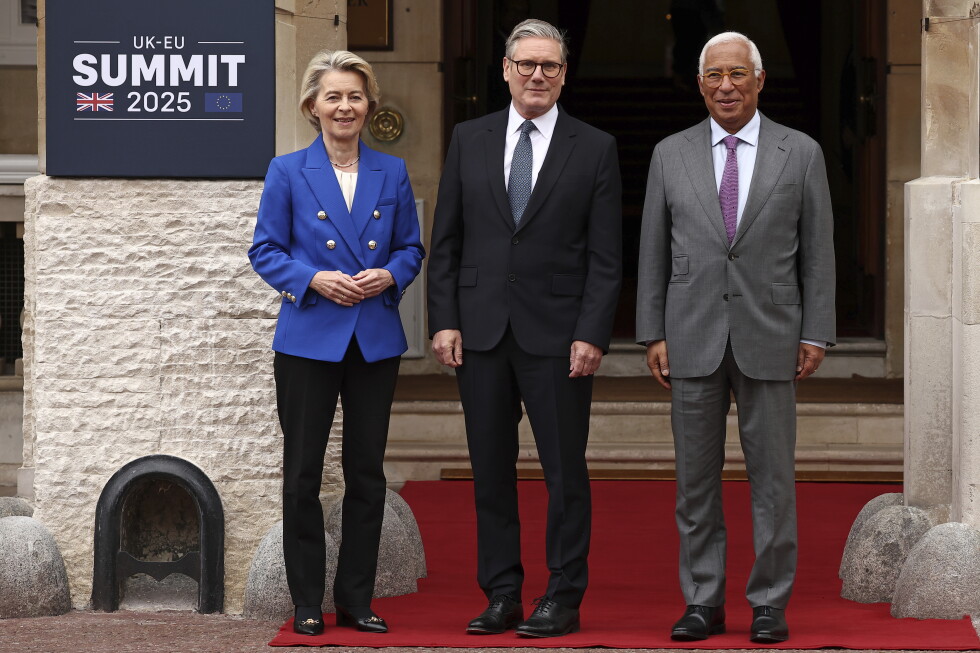
Ten years after the United Kingdom voted to leave the European Union, Brexit has shifted from a sovereignty project into a test of how much economic distance either side can tolerate. The UK Electoral Commission's official result shows Leave won the 23 June 2016 referendum by 17,410,742 votes to 16,141,241, on 72.2% turnout. The legal break came later: the Trade and Cooperation Agreement created a tariff-free but paperwork-heavy relationship after the UK left the single market and customs union. The Centre for Economic Performance found that the 2021 trade regime caused a persistent fall in relative UK imports from the EU and disrupted small exporters. The UK government's 2025 EU reset sought to ease food checks, connect carbon markets and deepen defence cooperation, while keeping Britain outside the single market and customs union. For Belgium, the issue remains practical: trade, ports, travellers, universities and Brussels-based EU diplomacy all still absorb the costs of a thinner relationship.
Belgian exporters, logistics firms around Antwerp-Bruges and Zeebrugge, food businesses, universities, travellers and families with UK links still feel Brexit through paperwork, customs procedures, visa limits and changed mobility rights. EU institution staff in Brussels also follow the reset because it affects defence, carbon markets and regulatory cooperation. The UK Department for Business and Trade's 2026 statistics show Belgium remained a top-ten UK goods trade partner in 2025, so this is not a distant British argument.
Brexit (the UK's withdrawal from the European Union, completed legally on 31 January 2020) followed the 23 June 2016 referendum. The United Kingdom (England, Scotland, Wales and Northern Ireland) was an EU member from 1973 until withdrawal. The European Union (27-country political and single-market bloc headquartered institutionally in Brussels, Luxembourg and Strasbourg) negotiated Brexit as a collective process. The Trade and Cooperation Agreement (EU-UK treaty applied from 1 January 2021 and in force from 1 May 2021) governs most post-Brexit trade and cooperation. Keir Starmer (UK prime minister since 2024) has pursued closer EU ties without rejoining core EU structures. Ursula von der Leyen (European Commission president since 2019) represents the EU executive in the reset. The Centre for Economic Performance (London School of Economics research centre) studies Brexit's trade effects. The UK Electoral Commission (independent election regulator) certified the referendum totals.
Background
The UK joined the European Communities on 1 January 1973 and held an earlier membership referendum in 1975, when voters backed staying in. The 2016 referendum reversed that settlement: the UK Electoral Commission records 17,410,742 Leave votes and 16,141,241 Remain votes. Theresa May triggered Article 50 on 29 March 2017; the UK left on 31 January 2020; the transition ended on 31 December 2020. According to EUR-Lex, the Trade and Cooperation Agreement then became the main EU-UK legal framework after provisional application from 1 January 2021 and entry into force on 1 May 2021.
The wider picture
The reset sits inside a harsher European security environment shaped by Russia's war against Ukraine, defence-industrial pressure and global trade fragmentation. The UK is outside the EU but remains a major NATO power, making defence cooperation attractive to Brussels even as the EU protects the integrity of the single market.
Why now
The France 24 lead is tied to the approaching ten-year anniversary of the 23 June 2016 referendum. The timing also follows the UK government's 2025 reset agreement and continuing sector talks on how much post-Brexit friction can be removed.
What to watch
Watch for concrete EU-UK texts on food checks, emissions trading, youth mobility, Erasmus-related cooperation, defence procurement and border procedures. The political signal to monitor is whether London keeps its no-single-market line while asking Brussels for deeper sectoral access.
Impact
Regional — At EU level, the Commission and Council manage the UK relationship as a third-country file covering trade, security, mobility and carbon-market talks. At Belgian federal and regional level, the impact is more commercial and operational: customs, port logistics, exporters and sector agencies in Flanders, Brussels and Wallonia deal with practical market access. The UK's trade statistics show Belgium ranked among its top goods export and import markets in 2025, making the Belgian effect concentrated in trade-facing sectors rather than constitutional politics.
Opposing perspectives
- UK government / Starmer administration
The UK government's May 2025 statement presents the reset as a pragmatic correction: fewer food checks, linked carbon markets, defence cooperation and easier travel can reduce friction while respecting manifesto red lines against rejoining the single market, customs union or free movement.
- EU institutions
The European Commission's strongest frame is that the UK is now a close third-country partner, not a semi-member. Cooperation is welcome where it protects the single market, preserves fair competition and strengthens European security, but market access depends on enforceable rules.
- Small exporters and trade researchers
The Centre for Economic Performance research gives the sceptical economic frame: even tariff-free Brexit introduced non-tariff costs that large firms can absorb more easily than small exporters, so any reset that leaves customs and regulatory borders in place only partly repairs the damage.
Sources & evidence
- France 24 - Le Brexit : dix ans de chaos et de regrets ? · 2026-06-12
- UK Electoral Commission - Results and turnout at the EU referendum · 2019-09-25
- EUR-Lex - Official Journal L 149, EU-UK Trade and Cooperation Agreement · 2021-04-30
- UK Government - PM secures new agreement with EU to benefit British people · 2025-05-19
- UK Department for Business and Trade - Trade and investment core statistics book · 2026-05-21
- Rebecca Freeman, Kalina Manova, Thomas Prayer and Thomas Sampson, UK trade in the wake of Brexit, Centre for Economic Pe · 2022-04-01
- AP - The UK and the EU hail a new chapter as they sign fresh deals 5 years after Brexit · 2025-05-19
- Le Monde - Five years after Brexit, UK and EU aim for a fresh start · 2025-05-19
- The Guardian - Brexit cost UK £27bn in lost trade in first two years, review finds · 2024-12-18