Ukraine hits Russia's Crimea supply routes with mid-range drones
Ukraine has intensified strikes on Russian logistics routes feeding occupied Crimea, turning bridges, fuel convoys and oil infrastructure into the focus of a mid-range campaign behind the front. Officials on both sides said the latest cross-border attacks also killed civilians: the acting Bryansk governor said two people died in Suzemka, while Ukraine's state railway chief said a rail worker was killed in Sumy region. Russian regional officials also reported drone incidents in Tatarstan and Togliatti. The broader military significance lies in Crimea's supply network. Ukraine's military said strikes on the Chonhar Bridge were aimed at disrupting movements of troops, ammunition and fuel. Kremlin spokesman Dmitry Peskov acknowledged fuel supply problems in Crimea, where local authorities have imposed rationing. For Europe, the episode reinforces why EU sanctions, air defence support and Ukraine's accession track remain tied to battlefield dynamics rather than diplomacy alone.
For Belgian readers, the immediate story is the war's shift from front-line attrition to pressure on logistics, fuel and infrastructure. That matters to voters, businesses and public officials because Belgium participates in EU sanctions, Ukraine aid decisions and NATO planning from Brussels. Energy traders, ports and insurers also watch Russian oil disruption and sanctions enforcement. The Belgian angle is secondary: the main issue is whether Ukraine can degrade Russian operations while Russia keeps striking Ukrainian civilians and transport infrastructure.
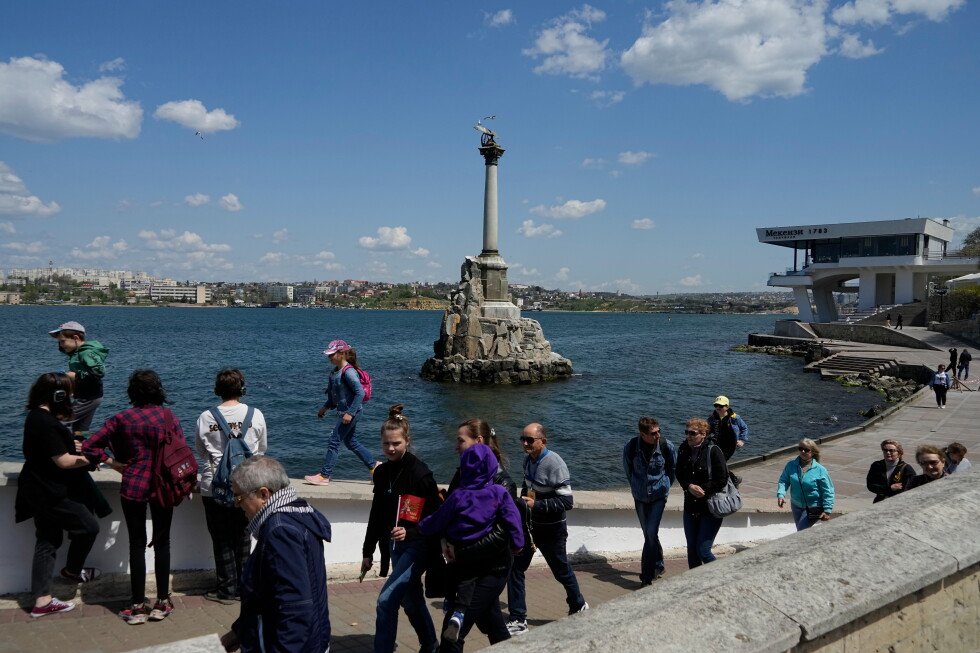
Bryansk (Russian border region north of Ukraine) has repeatedly reported shelling and drone incidents during the full-scale war. Suzemka (settlement in Bryansk region near Ukraine) was named by the acting regional governor as the site of the latest fatal shelling. Sumy (northern Ukrainian region bordering Russia) is a frequent target of Russian drone and missile attacks. Konotop (rail hub in Sumy region) was the area where Ukraine's railway operator reported a fatal strike on rail staff. Crimea (Ukrainian peninsula occupied and annexed by Russia in 2014) is central to Moscow's southern military logistics. Sevastopol (Crimean port city and Russian Black Sea Fleet base) has reported fuel shortages and drone damage. The Chonhar Bridge (crossing between occupied Kherson region and Crimea) is one of the chokepoints Ukraine is targeting. The Kerch Bridge (Russia-built bridge linking Crimea to Russia, opened in 2018) has been repeatedly attacked. R-280 (road corridor along the Sea of Azov) links Russia to occupied southern Ukraine and Crimea.
Background
Russia occupied Crimea in February-March 2014 and later built the Kerch Bridge to bind the peninsula more tightly to Russia. After the full-scale invasion began on 24 February 2022, Crimea became a launchpad and logistics base for Russian operations in southern Ukraine. Ukraine struck the Kerch Bridge in October 2022, and further attacks followed in 2023 and 2025. The Council of the EU says sanctions linked to Crimea began in 2014, while broader economic sanctions expanded after the 2022 invasion. The current campaign fits that longer pattern: Kyiv is attacking Russia's ability to supply occupied territory rather than only contesting front lines.
The wider picture
The campaign shows how the war is increasingly fought through infrastructure pressure: Ukraine targets fuel and transport links, while Russia continues attacks on Ukrainian rail and cities. That contest matters beyond Ukraine because it affects Black Sea security, Russian energy revenues, EU sanctions strategy and NATO assessments of drone warfare and air defence.
Why now
The immediate trigger is a new wave of cross-border attacks reported on 12 June 2026, alongside escalating Ukrainian strikes on Crimea's supply routes and confirmed fuel shortages on the peninsula.
What to watch
Watch Crimea fuel availability, Russian rerouting over ferries and alternative roads, further Ukrainian strikes on Chonhar and Armyansk crossings, and EU decisions on the next sanctions package. A rise in Russian retaliation against Ukrainian rail or energy sites would signal escalation.
Opposing perspectives
- Ukrainian government and military
Ukraine's military frames the campaign as a legitimate effort to disrupt troop, ammunition and fuel movements into occupied Crimea. In this view, striking bridges, refineries and convoys is a way to weaken Russia's battlefield capacity without trying to match Moscow shell-for-shell along the entire front.
- Russian regional authorities and Kremlin-installed officials
Russian officials present the strikes as attacks that endanger civilians, disrupt transport and create fuel shortages in occupied territories. Kremlin-installed officials in southern Ukraine have portrayed restrictions on roads and bridges as necessary public-safety responses to Ukrainian drone activity.
- EU institutions
The Council of the EU frames the war through sanctions and pressure on Russia's war economy. From that perspective, battlefield attacks on fuel logistics and EU sanctions are separate tools serving the same strategic aim: constraining Moscow's capacity to sustain the invasion and pushing it toward meaningful negotiations.
Sources & evidence
- Al Jazeera - Three killed as Ukraine and Russia exchange cross-border attacks · 2026-06-12
- Associated Press - Ukraine hits fuel supplies to Crimea, sparking a fuel crisis on the Russian-held peninsula · 2026-06-12
- The Guardian - Ukraine war briefing: France, Germany and UK make push in Moscow for peace talks · 2026-06-12
- The Guardian - 'Highway of death': the Ukrainian drone campaign menacing Russian logistics · 2026-06-11
- Council of the EU - Russia's war against Ukraine: EU sanctions
- Council of the EU - EU opens accession negotiations with Ukraine · 2024-06-25
- Centre for Research on Energy and Clean Air, cited in coverage of Russian fossil fuel exports in the fourth year of war · 2026-02-24