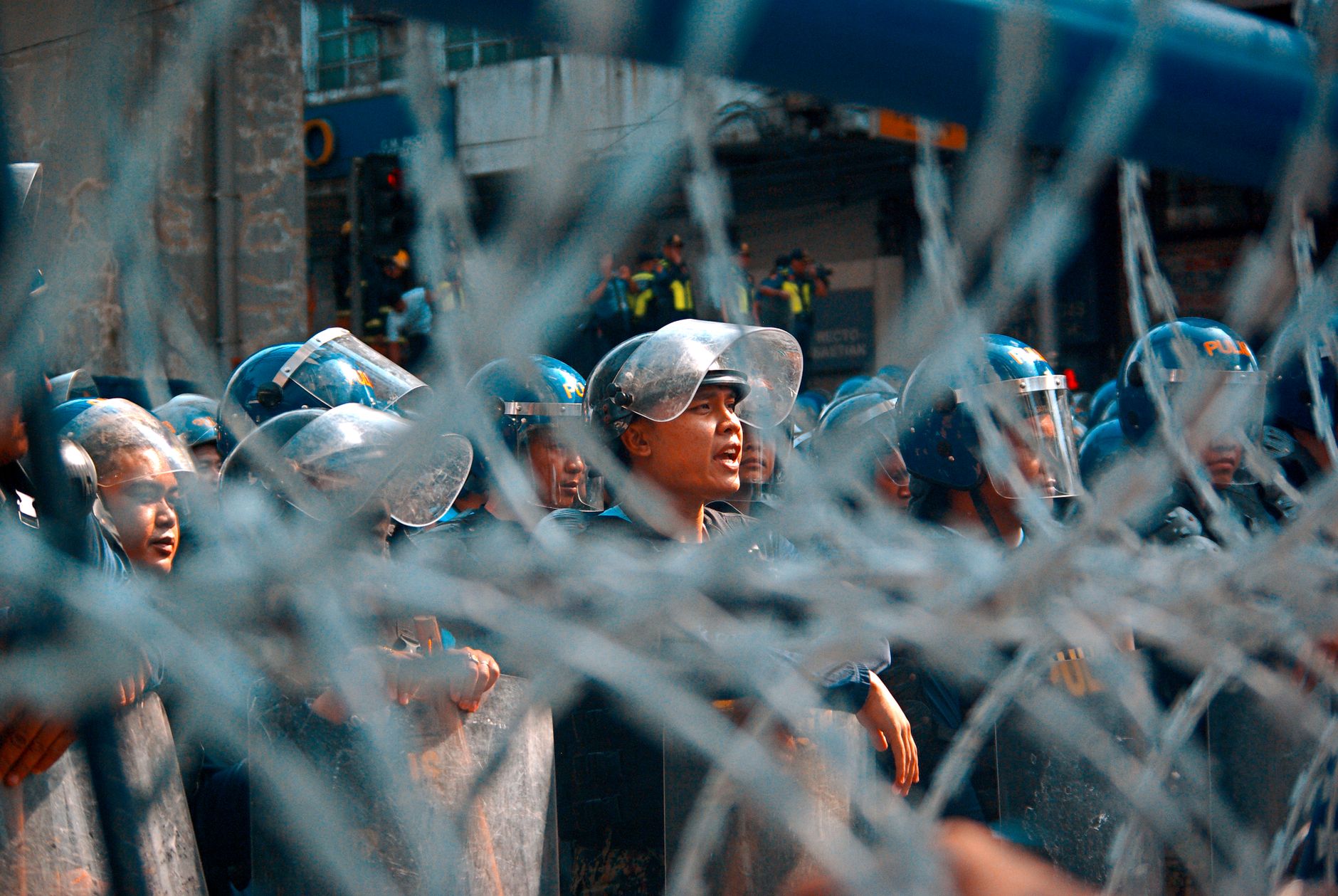
UN condemns shocking anti-immigrant attacks as UK riots spread
Updated: 25 June 2026, 00:00 UTC. LONDON, United Kingdom, 6 August 2024 - The United Nations condemned what 7sur7/Belga described as “shocking” anti-immigrant attacks in the United Kingdom after days of unrest linked to false online claims about the Southport knife attack. Reuters reported that violence followed the 29 July 2024 killing of three children at a dance event in Southport, where misinformation falsely presented the suspect as a Muslim asylum seeker. The Guardian and AP reported that mosques, businesses and hotels housing asylum seekers were targeted during the disorder, while UK police forces made hundreds of arrests. Prime Minister Keir Starmer said rioters would face the full force of the law, according to UK media reporting cited by Reuters. Belgian impact: Belgians living in or travelling to UK cities should follow local police instructions and official Belgian travel advice, especially around announced demonstrations.
The immediate issue is public safety and the rapid spread of false claims into street violence. For readers connected to Belgium, the story also matters because the UK remains a major destination for Belgian residents, students, business travellers and families, and because online disinformation around migration is a wider European concern.
The subject is the wave of anti-immigrant and anti-Muslim violence in the UK after the Southport killings. The key named entities are the United Nations, UK Prime Minister Keir Starmer, UK police forces, asylum seekers housed in hotels, Muslim communities, and the victims of the Southport knife attack.
Background
Reuters and AP reported that the unrest became one of the UK’s most serious public-order crises since the 2011 riots. The broader pattern reflects a recurring European challenge: migration-related fear, online rumours and organised far-right mobilisation can turn local tragedies into national disorder.
Impact
Regional — Belgium is not a direct party to the UK unrest. The practical Belgian angle is consular and travel-related, with Belgian residents in the UK advised to monitor local police updates and avoid protest flashpoints.
Opposing perspectives
- UN human rights officials
The UN position, as reported by 7sur7/Belga, frames the attacks as unacceptable violence against migrants and minorities. This view stresses protection of targeted communities, rejection of racism and the need for authorities to prevent further harm.
- UK government and police
Prime Minister Keir Starmer and police forces framed the unrest as criminal disorder rather than legitimate protest, according to Reuters and UK media reporting. Their priority was arrests, rapid prosecutions and preventing further attacks on mosques, asylum accommodation and legal offices.
- Anti-immigration demonstrators
Some anti-immigration demonstrators argued that their actions reflected anger over migration, asylum accommodation and public safety. That position was sharply contested because Reuters, AP and The Guardian reported that false claims about the Southport suspect helped trigger the violence.
Sources & evidence
- 7sur7 / Belga
- Reuters · 2024-08-07
- Associated Press · 2025-07-28
- The Guardian · 2024-08-01
- Politico Europe · 2024-08-06