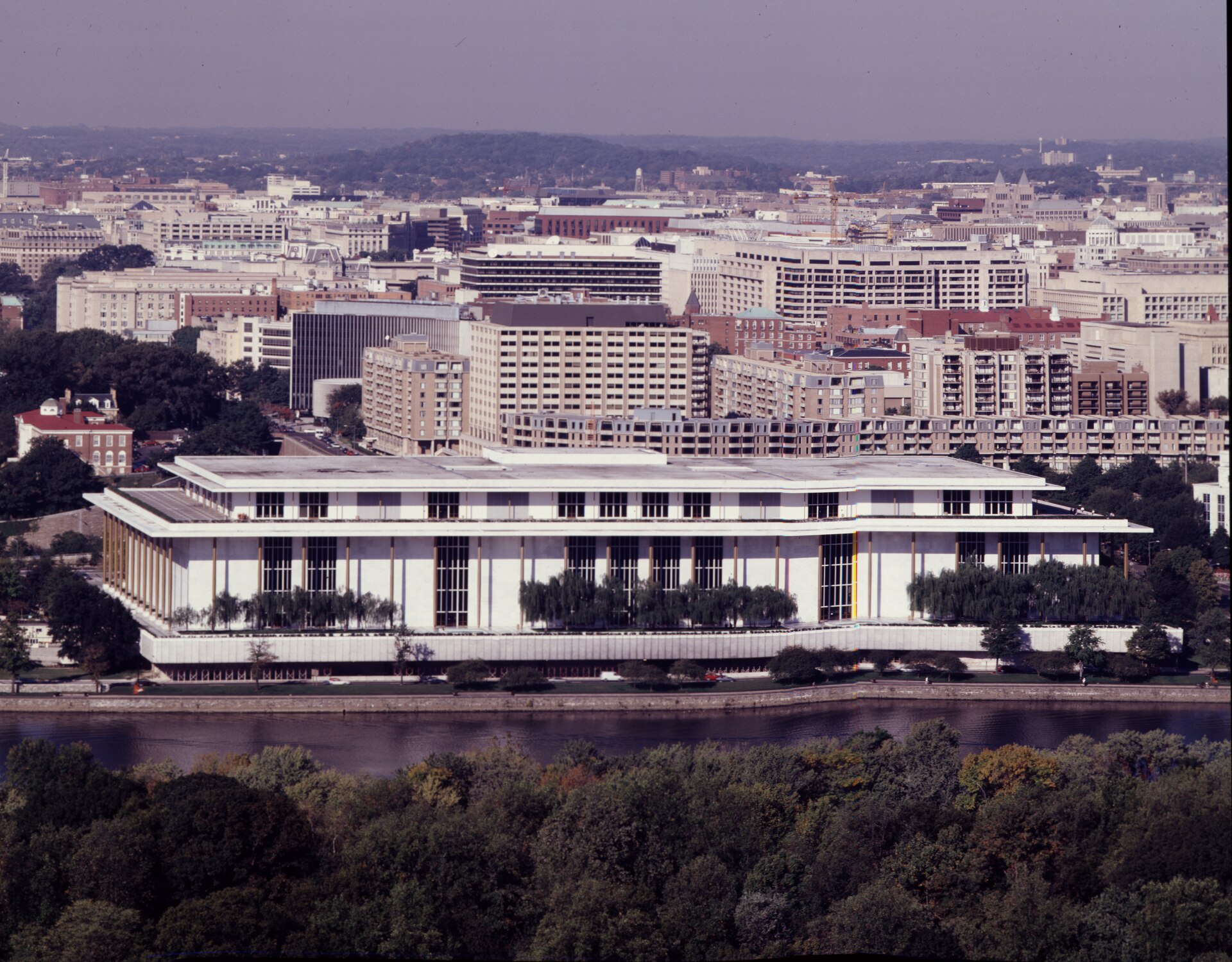
U.S. courts force Kennedy Center to remove Trump name
Workers removed Donald Trump's name from the John F. Kennedy Center for the Performing Arts in Washington after U.S. District Judge Christopher Cooper ruled that the Kennedy Center board had no authority to rename the federally designated memorial. The order followed a lawsuit by Representative Joyce Beatty, an ex-officio board member, and survived a last-minute appeal to the D.C. Circuit, while the Kennedy Center told the court storms had delayed the physical removal. The ruling also paused a planned two-year closure for renovations, making the dispute about more than signage: it tests who controls national cultural institutions when political leadership and statutory mandates collide. For Belgium Pulse readers, the direct impact is limited, but the case is a useful comparison for European debates over public cultural bodies, memorial naming, board appointments and the rule-of-law limits on executive branding.
The story mainly matters as an international rule-of-law and cultural-governance signal. Belgian cultural workers, public broadcasters, museum boards, federal and regional officials, and policy-engaged readers can read it as a concrete U.S. example of courts enforcing statutory limits on political control over public cultural institutions. It does not change Belgian cultural policy, but it speaks to questions familiar in Belgium and the EU: who appoints boards, who names public memorials, and what legal safeguards constrain executive power.
Donald Trump (U.S. president in 2017-2021 and again from 2025) had taken a direct role in the Kennedy Center's leadership. The John F. Kennedy Center for the Performing Arts (Washington performing arts complex opened in 1971) is the U.S. national cultural centre and a living memorial to President John F. Kennedy. John F. Kennedy (U.S. president assassinated in 1963) was memorialised in the centre's statutory name by Congress in 1964. Christopher Cooper (U.S. District Judge in Washington, appointed in 2014) issued the ruling. Joyce Beatty (Democratic U.S. representative from Ohio) sued as an ex-officio Kennedy Center board member. The D.C. Circuit (federal appeals court for Washington) refused emergency relief. The U.S. Congress (federal legislature) wrote the centre's governing statute. The Smithsonian Institution (U.S. museum and research institution) is linked to the Kennedy Center's statutory structure.
Background
Congress created the National Cultural Center in 1958 and, according to the U.S. Code, amended the law in 1964 to designate the building as the John F. Kennedy Center for the Performing Arts. The centre opened in 1971 and became a hybrid public-private cultural institution with a board structure set by federal law. The broader U.S. memorial landscape has repeatedly required congressional control: the Commemorative Works Act of 1986 created procedures for memorials in Washington after pressure for new monuments grew around the National Mall. This ruling fits that pattern of limiting unilateral changes to nationally symbolic spaces.
Why now
The story became timely because the court-set removal deadline fell on June 12, 2026, and the D.C. Circuit refused emergency relief shortly before workers began removing the name overnight into June 13.
What to watch
Watch whether the Kennedy Center or Trump-aligned lawyers pursue a higher appeal, whether the blocked renovation plan returns with a new board record, and whether Congress enters the dispute through legislation or oversight.
Opposing perspectives
- U.S. District Court / statutory-authority frame
The court's strongest reading is that the Kennedy Center is not an ordinary board-controlled brand. U.S. District Judge Christopher Cooper ruled that Congress assigned the statutory name, so a board vote could not convert a national memorial into a presidential-branded institution without congressional action.
- Kennedy Center board / Trump legal team
The board's strongest argument is institutional discretion: its lawyers argued that removing signage before an appeal could force costly and confusing changes that might later have to be reversed. The Kennedy Center also argued that planned renovations were needed for building safety and long-term operations.
Sources & evidence
- Al Jazeera - Workers remove Trump's name from Kennedy Center after court ruling · 2026-06-13
- Associated Press - Trump's name poised to be removed from Kennedy Center after court denies last-minute move to keep it · 2026-06-12
- The Guardian - Workers remove Trump's name from Kennedy Center after court rulings · 2026-06-13
- People - Kennedy Center Begins Removing Trump Name Before Court-Set Requirement Expires · 2026-06-13
- Legal Information Institute, Cornell Law School - 20 U.S. Code § 76i
- Legal Information Institute, Cornell Law School - 20 U.S. Code § 76h