What changes when Nederlander Rob Smeets becomes CEO of Port of Antwerp-Bruges?
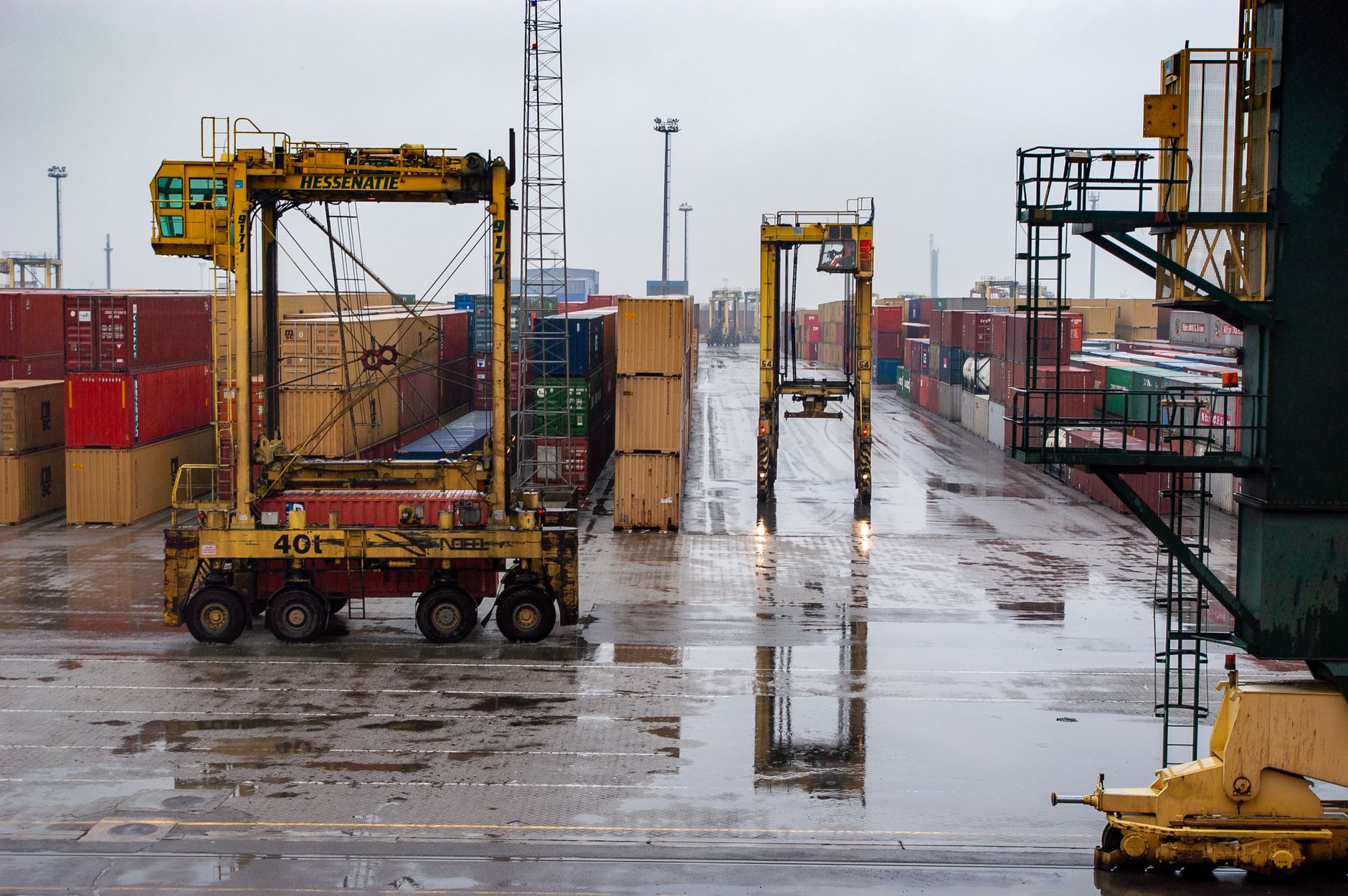
Nederlander Rob Smeets, 56, has been appointed chief executive of Port of Antwerp-Bruges, taking charge of a port platform that handled 266.5 million tonnes of maritime cargo in 2025, down 4.1% from 2024, while container traffic still edged up 0.7% in TEU terms. The appointment puts a Dutch manager at the head of one of Belgium’s largest economic assets at a difficult point for European logistics: trade tensions, terminal congestion, industrial action, energy-market shifts and pressure on the chemicals sector are all feeding into decisions made in Antwerp and Bruges-Zeebrugge. Flemish reports framed the choice as a continuity-and-delivery appointment, with Smeets saying the port must keep strengthening its impact, or in Dutch, "impact blijven versterken". The business question is less about nationality than execution: how quickly the new CEO can unlock capacity, keep industrial users competitive and protect the port’s role as a gateway for containers, cars, LNG, chemicals and general cargo.
For households, the port is mostly invisible until supply chains fail: delays can feed into delivery times for cars, consumer goods, construction materials and energy-related inputs. For Belgian businesses, the effect is more direct. Importers, exporters, logistics firms, chemical producers, hauliers and terminal operators depend on reliable capacity, predictable permits and workable labour relations. If Port of Antwerp-Bruges loses efficiency against Rotterdam, Hamburg or other North Sea competitors, companies can face higher transport costs, slower delivery windows or weaker investment cases in Belgium.
Port of Antwerp-Bruges is the public-law port authority managing the Antwerp and Zeebrugge port platforms. Its shareholders are the cities of Antwerp and Bruges. The port describes itself as home to more than 1,400 companies, supporting about 164,000 direct and indirect jobs and roughly 21 billion euros in added value. Antwerp is central to containers, petrochemicals and inland connections; Zeebrugge is important for cars, RoRo traffic, LNG and North Sea access. The CEO role therefore sits between business management, public infrastructure, Flemish and municipal politics, European transport policy and industrial strategy.
Background
The modern port story is a merger story. Antwerp and Zeebrugge formally combined their port authorities in 2022 to match complementary strengths: Antwerp’s deep industrial and container ecosystem and Zeebrugge’s coastal, automotive, RoRo and LNG position. That merger came after years of pressure on European ports to scale up, invest in digital systems, handle larger vessels and manage the energy transition. Smeets inherits that unfinished integration rather than a settled institution.
Impact
Regional — The strongest regional impact is in Flanders, especially Antwerp, the Waasland, Bruges-Zeebrugge and the wider logistics corridor linking the port to inland waterways, rail and road. The appointment also matters for municipalities affected by port expansion, truck traffic, emissions, safety and land use.
Opposing perspectives
- Port board and municipal shareholders
The board and the cities of Antwerp and Bruges are likely to judge the appointment through execution: keeping the merged port commercially strong, completing major infrastructure and balancing both platforms. Their priority is continuity, political confidence and a CEO able to work across municipal, Flemish and international stakeholders.
- Terminal operators, shippers and logistics firms
Companies using the port will focus less on the symbolism of a Dutch CEO and more on congestion, capacity, customs efficiency, digital systems and hinterland links. For them, Smeets will be measured by whether Antwerp and Bruges can remain predictable against Rotterdam, Hamburg and other ports.
- Workers, unions and nearby residents
Port workers, unions such as ACV-CSC and FGTB-ABVV, and local communities have different tests. They will watch labour conditions, safety, night and shift work, air quality, truck pressure, security and whether growth plans create decent jobs without pushing costs onto surrounding neighbourhoods.
Sources & evidence
- VRT NWS · 2026-06-26
- HLN · 2026-06-26
- De Standaard · 2026-06-26
- Port of Antwerp-Bruges · 2026-01-27
- European Commission, DG MOVE
- European Commission, North Sea-Baltic Corridor