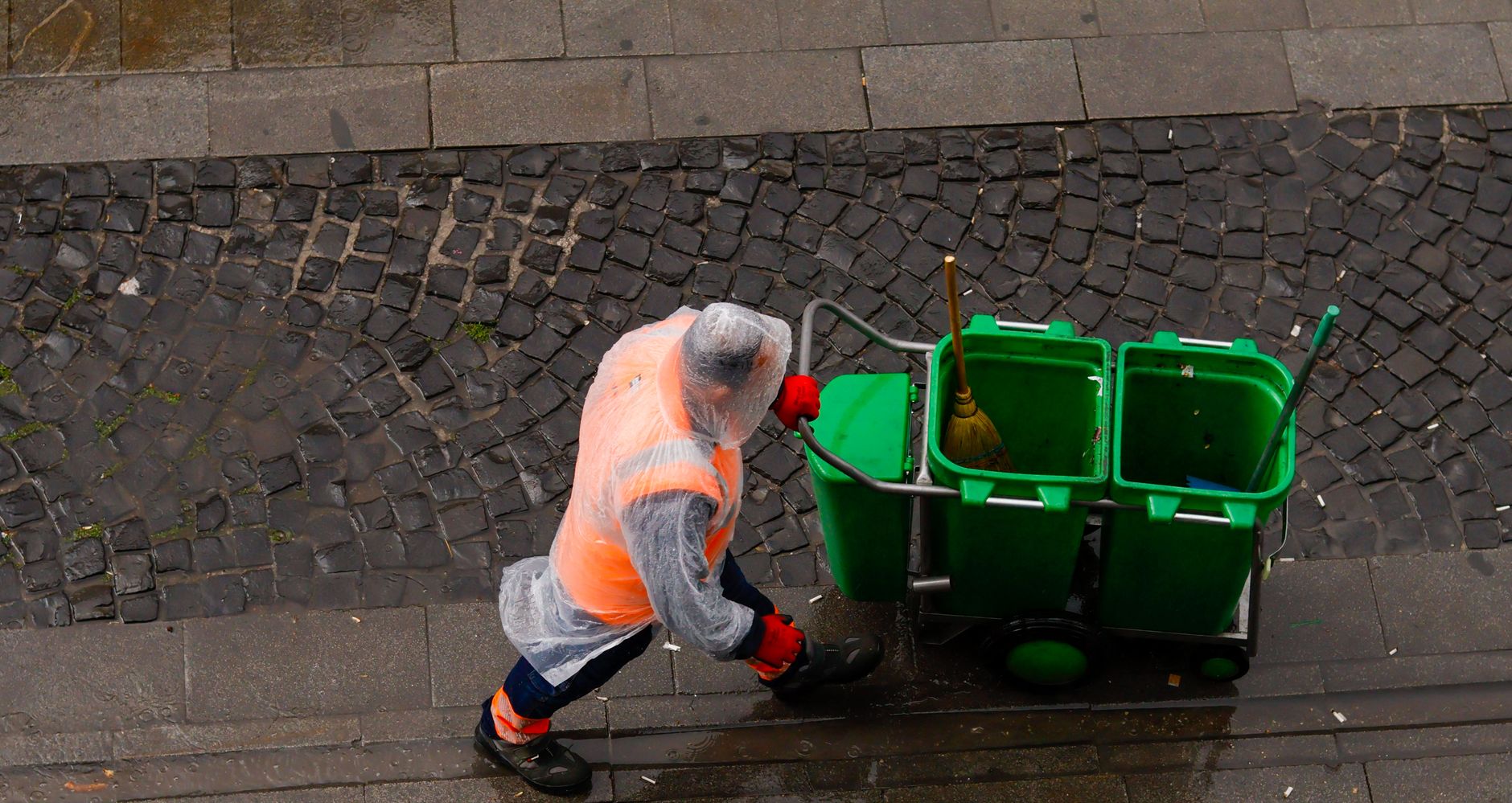
What does Leuven’s coffee-cake thank-you say about clean streets, protected swifts and city life?
Leuven has put two small municipal stories in the spotlight: the stad treated medewerkers dienst stadsreiniging to koffiekoeken, and it marked the placement of its 1000ste nestkast beschermde gierzwaluwen. For Belgium-based readers, the practical point is not the pastry itself. It is how visible, everyday city work connects street cleaning, public appreciation, renovation rules and urban biodiversity in one compact Flemish university city. The first story is about public-service recognition. Leuven’s cleaning teams are among the workers who make dense city life function: litter collection, street cleaning after events, waste-related interventions and public-space upkeep. The second story is about a legally protected bird that depends heavily on buildings. Common swifts nest in cavities in roofs and facades, so renovation, insulation and new construction can unintentionally remove breeding places unless alternatives are installed. For EU staff, expats and residents used to seeing environmental policy as something negotiated in Brussels institutions, Leuven offers the local version: EU nature law becomes a nest box in a facade; municipal labour policy becomes a breakfast gesture for the people keeping streets usable.
This matters because residents experience municipal competence at street level. Clean pavements, responsive waste services and biodiversity measures are not abstract policy areas; they shape whether a city feels liveable. For newcomers to Belgium, the lesson is practical: Flemish cities often manage public space through a combination of municipal crews, resident reporting, event clean-up, strict waste habits and nature-protection obligations. Leuven’s swift boxes also show why building works can have ecological implications even in dense urban neighbourhoods.
The true subject is Leuven’s municipal public realm: how the city values its cleaning workers and how it integrates biodiversity into the built environment. The named stakeholders are Stad Leuven, the dienst stadsreiniging, Leuven residents, property owners, architects and contractors working on buildings, local nature volunteers, the Flemish nature-administration framework, and EU institutions whose Birds Directive sets the baseline for protecting wild birds and their nests across member states.
Background
European cities once provided many accidental nesting spaces for swifts through older roofs, eaves and wall cavities. Energy renovation and modern building techniques improve housing performance but can seal those spaces. That has pushed local authorities and conservation groups toward deliberate measures such as nest boxes and swift bricks. In parallel, cleaning services have become more visible as cities host more events, manage higher footfall and face stronger public expectations about litter and waste sorting.
Impact
Regional — The impact is local to Leuven and Flemish Brabant, with relevance for other Flemish cities facing the same pressures: more renovation, denser housing, climate adaptation, litter management and expectations that municipal workers keep public space clean after daily use and events.
Opposing perspectives
- Leuven municipal-service framing
The city-side framing is civic and practical: by treating medewerkers dienst stadsreiniging to koffiekoeken, Leuven signals that clean streets depend on named public workers, not only on rules for residents. This differs from a broader Anglo-style wire framing that might reduce the story to a quirky local item; in Leuven, the gesture sits inside municipal service culture and public-space maintenance.
- EU nature-policy framing
The EU-side framing is legal and ecological rather than symbolic. The European Commission says the Birds Directive aims to protect wild birds and their habitats, including rules against damaging nests. That makes Leuven’s nestkast beschermde gierzwaluwen story more than local charm: it is a small municipal expression of Europe-wide biodiversity obligations.
- Residents and property owners
Residents benefit from cleaner streets and visible nature, but property owners and contractors may experience bird-protection measures as another planning and renovation constraint. The practical balance is to identify nesting risks early, build in replacement cavities or nest boxes, and avoid discovering the issue only when works are already scheduled.