What does Tournai lose, and keep, as the Sisters of Saint Andrew leave after eight centuries?
The Sisters of Saint Andrew are ending their permanent presence in the Tournai area after roots dating to 1231, according to La DH. The departure is not only a religious milestone: it is a heritage handover for Wallonia, with the congregation’s story expected to become accessible through a museum project in a city already built around religious, civic and UNESCO-listed memory. For Belgium-based readers, the practical question is what remains public, visitable and documented once a living community moves on.
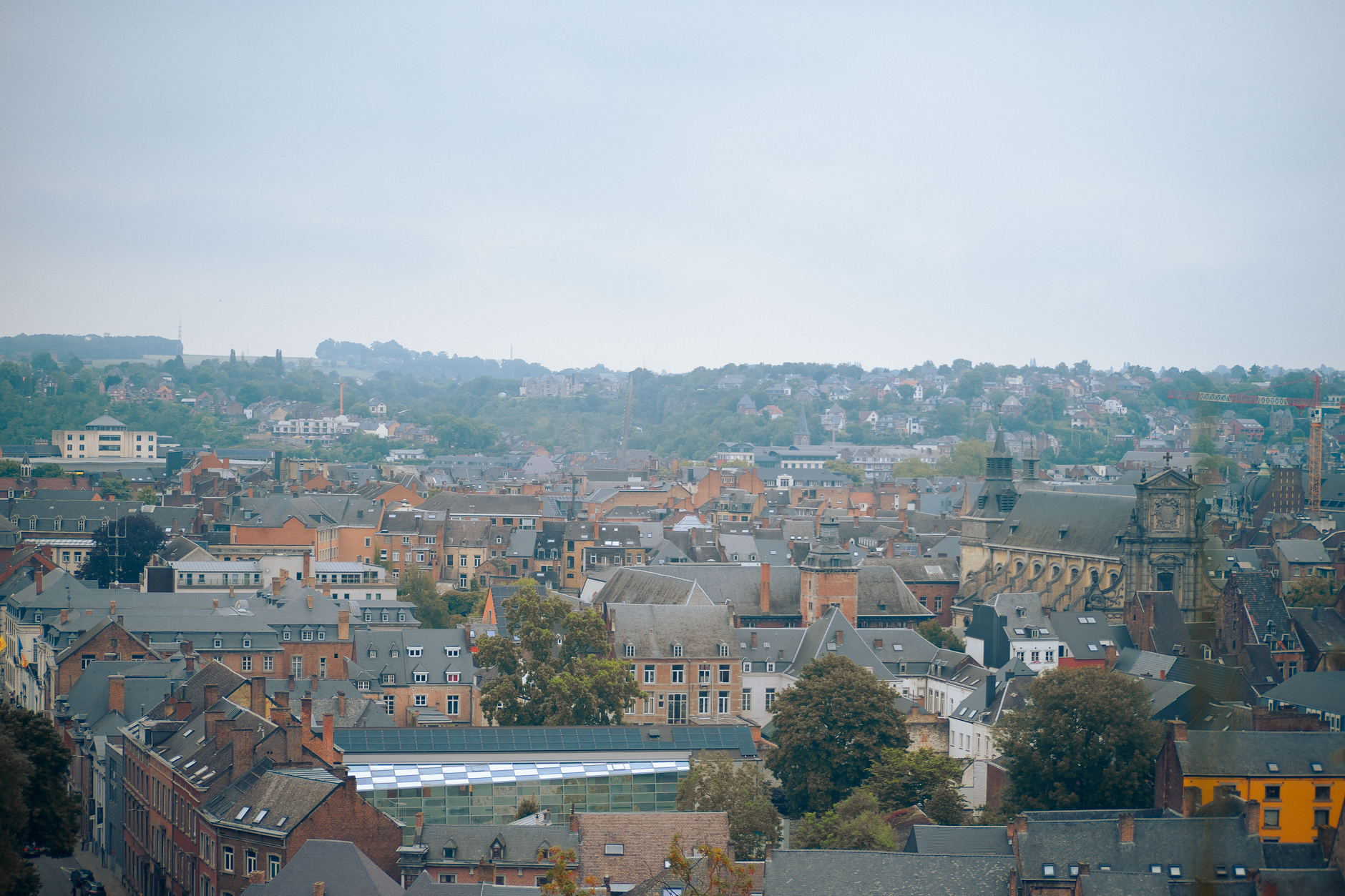
For residents, visitors, expats and EU staffers in Belgium, this is a concrete example of a broader Belgian issue: religious communities are shrinking or reorganising, while their archives, buildings, objects and social memory still belong to the public story of a town. Tournai is not a minor backdrop. It is one of Wallonia’s major heritage cities, with a UNESCO cathedral, municipal museums and a tourist economy that depends on turning long histories into intelligible public culture. The sisters’ move tests whether heritage can remain alive when the institution that carried it locally is no longer present day to day.
The subject is the Religieuses de Saint-André, or Sisters of Saint Andrew, an Ignatian Catholic congregation founded in Tournai by two unnamed women who opened a hospice for poor travellers and pilgrims. The congregation’s own history places the beginning on the right bank of the Escaut in 1231, with later transitions from hospital to monastery and then to apostolic educational and missionary work. The named stakeholders are the Sisters of Saint Andrew, the Diocese of Tournai and Bishop Guy Harpigny, the City of Tournai and its museum network, Visit Tournai, Walloon heritage authorities, and the communities now linked to the congregation in Brussels, Wépion, France, England, Brazil, South Korea and the Democratic Republic of Congo.
Background
The congregation says its story began in 1231 in Tournai, when two women opened their doors to pilgrims and the poor. Its first centuries were shaped by hospitality and care, then by monastic life from the early modern period, and later by education, Ignatian spirituality and international missions. That arc mirrors Tournai’s own layered identity: medieval bishopric, Escaut city, Walloon cultural centre, and heritage destination whose cathedral has been on the UNESCO World Heritage List since 2000.
Impact
Regional — The impact is local and Walloon: Tournai loses the daily presence of a congregation whose origin story is tied to the city, but may gain a more accessible museum narrative if archives, objects and interpretation are handled well.
Opposing perspectives
- The Sisters of Saint Andrew: departure as mission continuity
The congregation’s own framing is not one of disappearance. Its website says the sisters were “sent off to Brussels” by the Bishop of Tournai and describes internationality, ecumenical openness and varied missions as central to its identity. In that view, leaving Tournai is another institutional move in a long history of adaptation, from hospital to monastery to apostolic congregation.
- Tournai heritage institutions: departure as a public-memory challenge
Visit Tournai presents the city’s museums as places that highlight local history and popular culture, including military, textile, folklore and artistic heritage. From that perspective, the sisters’ departure matters because the story must be translated from lived religious presence into objects, archives and interpretation that residents and visitors can actually understand.
- Secular local readers: museum access matters more than institutional nostalgia
For many Tournaisians who are not practising Catholics, the practical test will be less about the congregation’s internal future than about public access. They may welcome a museum project if it explains women’s work, education, care and urban history clearly, but question public support if the display becomes devotional commemoration rather than civic heritage.