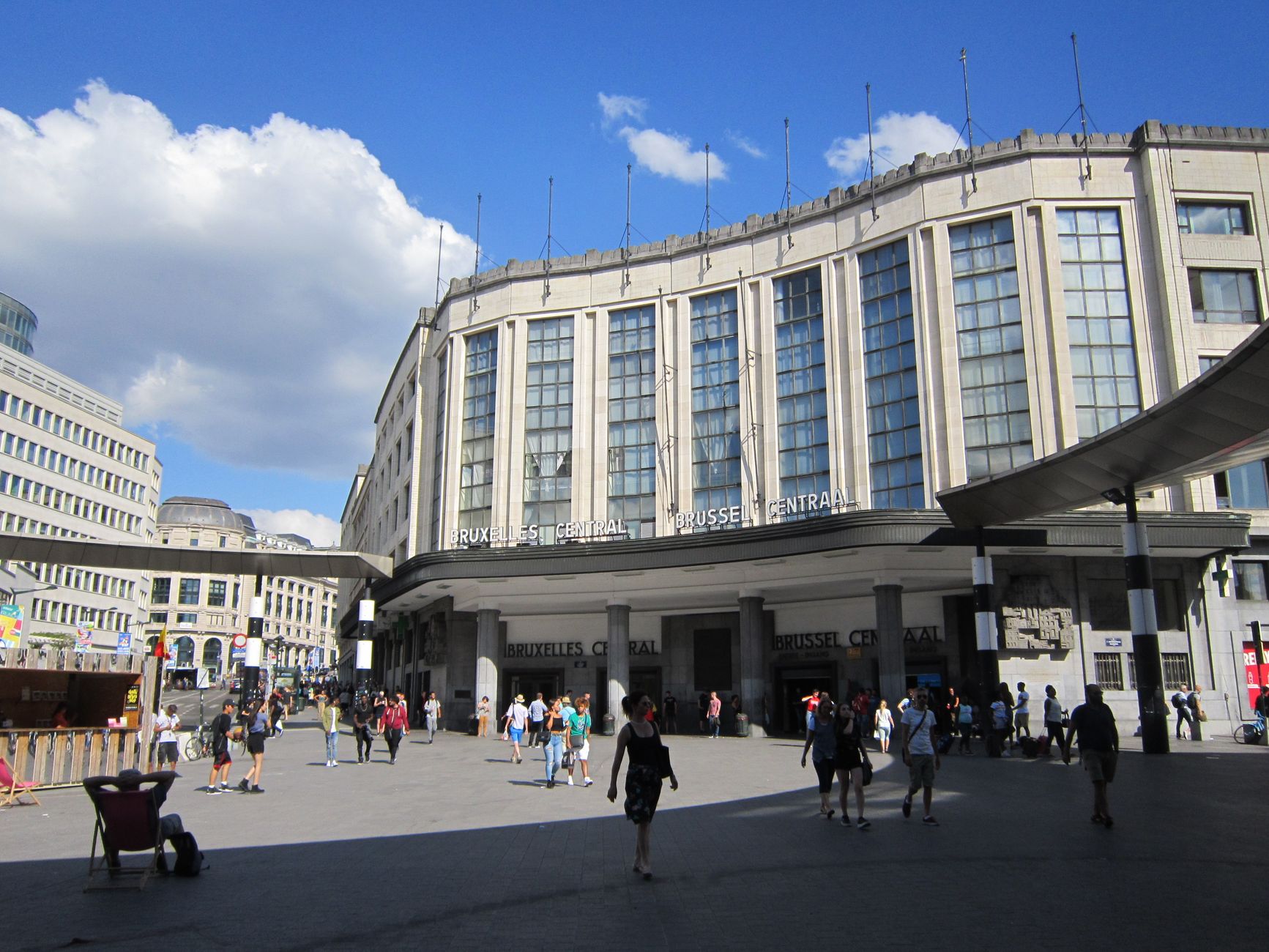
Why are police stepping in again around Brussels-Central after youths gathered nearby?
Police intervened preventively after dozens of young people again gathered in the area around Brussels-Central, according to HLN. For people living, working or passing through Brussels, the story is less about a single evening than about how the city manages safety at one of Belgium's busiest transport and institutional crossroads. Brussels-Central sits between the historic centre, federal offices, cultural venues and the metro axis used by commuters, tourists and EU-institution staff. That makes even a limited public-order incident highly visible. The available reporting points to a preventive police response rather than a confirmed major disturbance, and there were no verified reports in the consulted sources of serious injuries or large-scale damage.
For a Belgium-based reader, the practical issue is predictability in the city centre. If police close off a street, disperse groups or increase checks around Brussels-Central, the impact can quickly spread to evening trains, metro access, taxis, cultural events and the pedestrian routes used by office workers and visitors. For expats and EU staff, this is also a reminder that Brussels-as-city and Brussels-as-EU-capital overlap physically but not institutionally: local public order is handled by Belgian municipal and police authorities, not by EU bodies. The useful question is therefore not whether Brussels is 'unsafe', but whether authorities can prevent escalation while keeping the station area open, proportionate and understandable for ordinary users.
The subject is a renewed gathering of dozens of young people near Brussels-Central station, reported by HLN under the Dutch framing 'opnieuw tientallen jongeren verzameld' and 'politie grijpt preventief'. The named stakeholders are the Brussels Capital-Ixelles police zone, the City of Brussels led by mayor Philippe Close, SNCB/NMBS as rail station operator, STIB/MIVB as metro and bus operator, nearby businesses, commuters, tourists and people working around the federal and EU-institutional districts. Brussels-Central is not simply a railway stop: it connects national trains, metro lines 1 and 5, bus routes and walking flows between the Grand-Place, Mont des Arts, the Royal Quarter and offices used by Belgian and European public-sector workers.
Background
Central stations in Belgian cities have long carried a double burden: they are mobility hubs and symbolic public spaces. Brussels-Central is especially sensitive because it sits on the North-South rail connection and channels large commuter flows through a compact underground station. Past high-profile events at the station, including the 2006 killing of Joe Van Holsbeeck and the failed 2017 attack, shaped public memory around security there, but those events should not be conflated with the current reported gathering of youths. The broader pattern is urban management: transport nodes attract teenagers, commuters, tourists, nightlife flows and people with nowhere else to go, which can turn low-level tension into visible police action.
Impact
Regional — The direct impact is Brussels-specific: the reported gathering took place around Brussel-Centraal/Bruxelles-Central, in the City of Brussels and within the Brussels Capital-Ixelles police zone. Wider Belgian relevance comes from the station's national commuter role.
Opposing perspectives
- Police and city public-order perspective
The Brussels Capital-Ixelles police and City of Brussels public-order logic is preventive: when 'opnieuw tientallen jongeren' are reported around a narrow, heavily used station area, officers may disperse groups or increase visibility before a crowd becomes harder to manage. This Belgian framing is practical and local, focused on keeping trains, metro access, shops and pedestrian flows functioning rather than presenting the event as a national security drama.
- Youth-rights and civil-liberties perspective
Youth and rights organisations in Belgium generally warn that visible police checks around groups of teenagers can deepen mistrust if the grounds are unclear or if young people feel treated as suspects simply for occupying public space. In this framing, the question is not whether police may prevent disorder, but whether the response is proportionate, explained and paired with outreach by youth workers and local services.
- Commuter and business perspective
Commuters, station staff and nearby businesses tend to judge the situation by immediate usability: can people reach platforms, metro corridors, buses, hotels, shops and cultural venues without intimidation or delay? Their concern is less ideological than operational. A preventive police presence can reassure some users, but repeated incidents may also damage confidence in the city-centre evening environment.