Why did 1,300 people in Liège protest Valérie Glatigny’s school reforms?
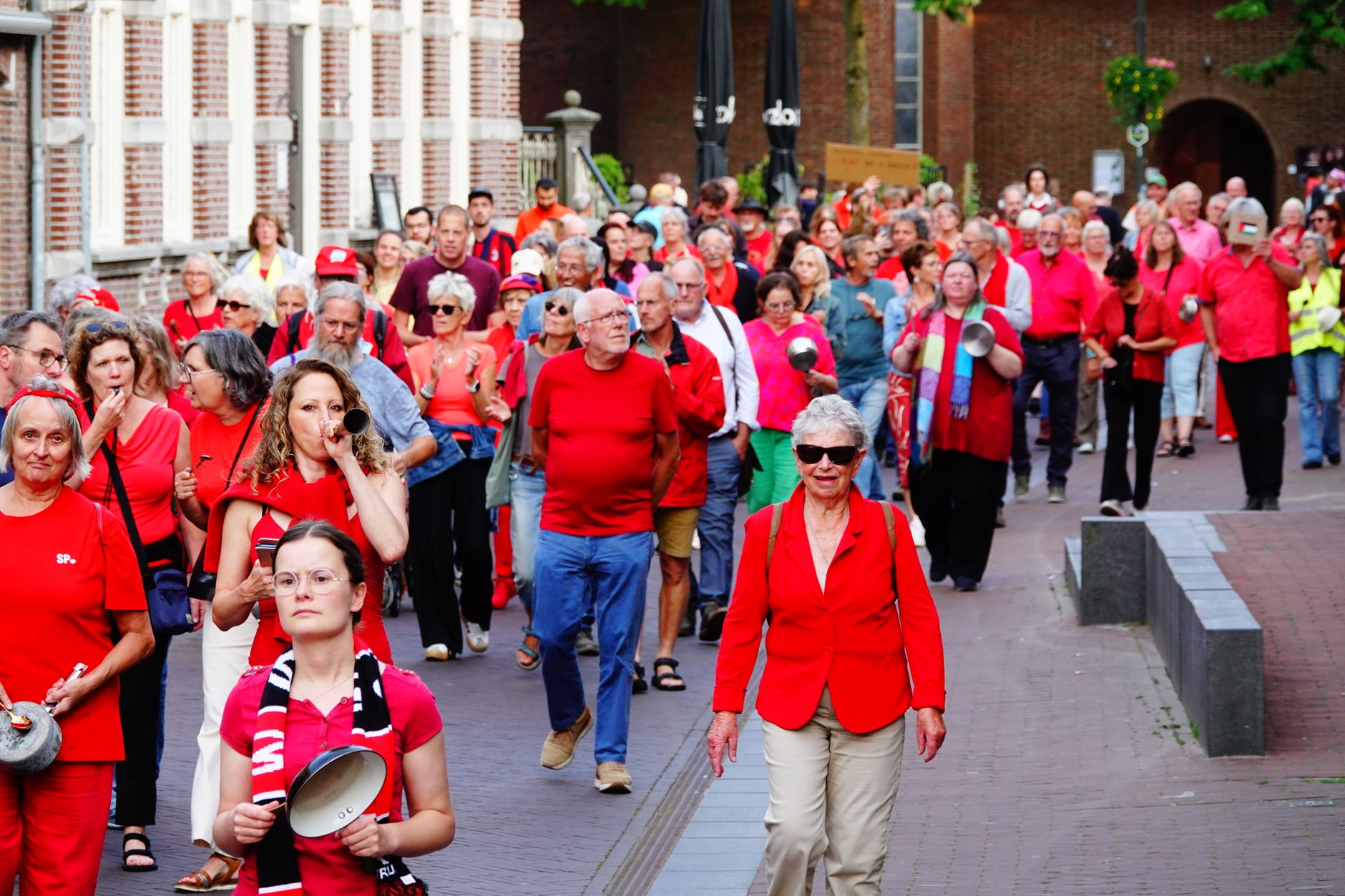
About 1,300 demonstrators gathered in Liège on 26 May 2026 against reforms led by Valérie Glatigny, Vice-President and Minister of Education and Adult Education in the Government of the Federation Wallonia-Brussels. The protest slogan reported by DH, “Valérie, fais tes valoches”, captured a sharper mood than a routine sectoral dispute: teachers, school staff and union supporters are trying to slow or reshape reforms they see as weakening working conditions in francophone education. The immediate issue is not federal Belgian education policy. Compulsory education in Belgium is mainly a Community competence, meaning the Federation Wallonia-Brussels sets the key rules for French-language schools in Wallonia and Brussels. The current 2024-2029 political cycle is therefore central: the MR-Les Engagés majority under Minister-President Élisabeth Degryse has a full legislature to push through changes, while unions and opposition parties are testing whether street pressure can force amendments before texts become settled policy. For families, the practical question is whether reform will improve staffing, continuity and standards, or whether it will deepen shortages and instability in classrooms. For teachers, the dispute is about career security, workload and the pace at which long-promised reforms are being layered onto schools already managing the Pacte pour un Enseignement d’excellence.
This matters because education reforms are moving from abstract government programme language into the daily organisation of schools. Changes to teacher status, appointments, workload rules or school governance can affect whether schools can recruit and retain staff, how stable pupils’ timetables are, and how quickly classroom reforms are applied. The protest also signals a political problem for the Degryse government: reforming francophone education is widely presented as necessary, but implementation depends on the cooperation of the teachers and school teams who say they are being asked to absorb too much, too fast.
The subject is the Liège mobilisation against education reforms promoted by Valérie Glatigny, formally Vice-President and Minister of Education and Adult Education in the Government of the Federation Wallonia-Brussels. The protest is a francophone Belgian politics story because education policy for French-language schools is decided primarily at Community level, not by the federal government. Liège matters here as a major Walloon education hub and as a visible site of union and teacher mobilisation, but the policy fight concerns the wider Federation Wallonia-Brussels school system, including Brussels francophone schools.
Background
Francophone Belgian education has been in a long reform cycle since the Pacte pour un Enseignement d’excellence, a structural programme intended to improve quality, equity and governance. That background helps explain the current tension: successive governments have promised to modernise a system criticised for unequal outcomes and complex administration, while teachers’ organisations argue that reforms often arrive without enough staffing, time or resources. The Glatigny dispute therefore sits inside a longer institutional pattern: broad consensus that schools need improvement, recurring conflict over who carries the cost of change.
Impact
Regional — The most direct regional impact is in Wallonia and francophone Brussels. Liège’s turnout gives the movement a Walloon anchor, while Brussels schools would be affected by Federation Wallonia-Brussels decisions under the same education competence. The Walloon Region itself is not the main decision-maker for school curricula or teacher status, although regional policies such as mobility, buildings or employment can interact with school life.
Opposing perspectives
- Teaching unions and protesting school staff
The union and teacher frame is that reforms are being imposed on an already strained school system. Their concern is not only one measure but the cumulative effect of changes to career rules, workload, staffing and school organisation. In this view, the Liège protest is a warning that reform designed without enough buy-in from classrooms will make recruitment and retention harder.
- MR-Les Engagés Federation Wallonia-Brussels government
The governing majority’s frame is that francophone education needs structural reform to improve quality, accountability and continuity for pupils. From this perspective, changing teacher career rules and school organisation is part of a broader attempt to modernise a system that has long been criticised for unequal outcomes and administrative complexity.
- Opposition parties PS, Ecolo and PTB
The opposition frame is likely to focus on political responsibility and social cost: PS and Ecolo can argue that reforms must not weaken public education or staff protections, while PTB is positioned to amplify union anger against liberal-led policy. Their leverage is parliamentary scrutiny, public questioning of ministerial choices and support for mobilisations.
- Parents and pupils in francophone schools
Families have a more practical frame: they want stable timetables, available teachers and credible improvement in learning. Some may support reform if it reduces disruption and improves standards; others may fear that conflict, strikes or staff departures will affect pupils before any promised benefits appear.