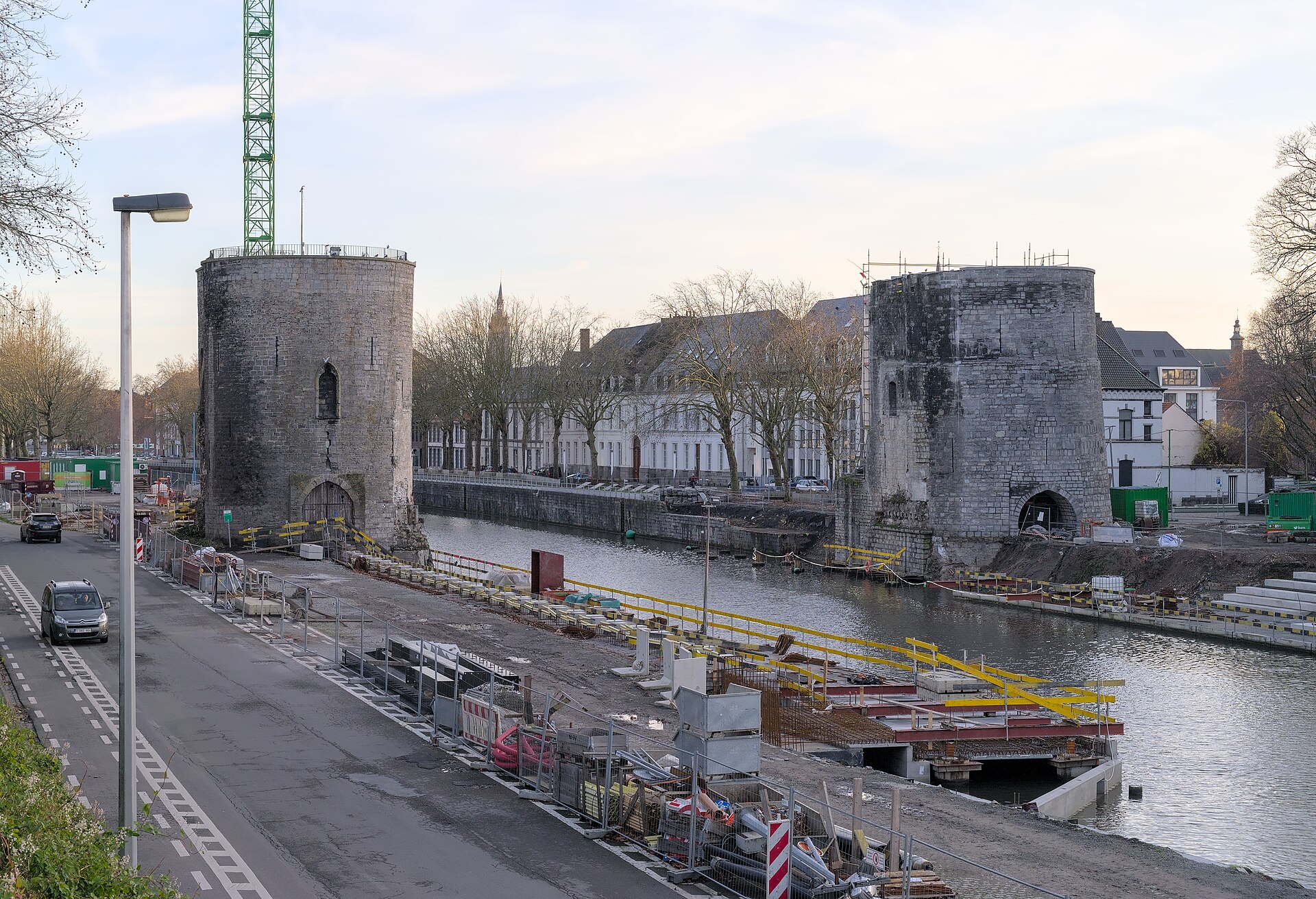
Why did hundreds of teachers, pupils and parents protest at Tournai’s Pont des Trous?
Hundreds of professeurs, élèves et parents gathered at the foot of Tournai’s Pont des Trous on 4 June to protest education changes affecting Francophone secondary schools, according to La DH. The action matters beyond one Hainaut city because it lands just before the Fédération Wallonie-Bruxelles begins a major phase of its Pacte pour un Enseignement d’excellence: the progressive rollout of the common curriculum into secondary education from the 2026 school year. For Belgium-based families, including expats and EU staff living in Wallonia or Brussels, this is not an abstract schools dispute. It concerns timetables, technical courses, teacher assignments, support for pupils and the future shape of qualifying education. The EU is not the decision-maker here: education is a Belgian community competence, and for French-language schools the competent authority is the Fédération Wallonie-Bruxelles. But the policy logic is linked to a broader European question: how schools prepare pupils for skills shortages without narrowing local educational choice.
For families, the practical question is what pupils will actually be offered from the next school year: which technical or qualifying options remain, how support hours are organised, whether a child must travel further for a chosen pathway, and whether teachers lose hours or need retraining. For teachers, the official reform documents acknowledge important changes, including the disappearance of separate technical courses in the first years of secondary education and the arrival of manual, technical, technological and digital training. That is why a protest in Tournai has regional significance: it is a visible local test of whether a system-wide reform feels manageable inside schools.
The true subject is a local protest in Tournai, in Hainaut, against Francophone education reforms as they reach secondary schools. The named stakeholders are Tournai teachers, pupils and parents; the Fédération Wallonie-Bruxelles government; Education Minister Valérie Glatigny; school organising authorities; and labour-market actors such as Forem, Actiris and the Bassins Enseignement-Formation-Emploi, which the reform gives a larger role in matching qualifying options to employment needs.
Background
Belgian education has been shaped by community control since the 1989 state reform, which transferred education to the language communities. In French-speaking Belgium, the Pacte pour un Enseignement d’excellence has been the long reform framework since 2017. Its stated aim is systemic improvement from nursery to the end of secondary school, but its implementation repeatedly collides with local realities: school networks, teacher statuses, specialised options, transport distances and the strong attachment of families to nearby schools.
Impact
Regional — The immediate impact is in Tournai and surrounding Hainaut schools, where families are seeking clarity before the 2026-2027 school year. The Pont des Trous location gave the protest strong local visibility: it is one of Tournai’s best-known landmarks, turning a schools dispute into a civic signal.
Opposing perspectives
- Tournai teachers, pupils and parents
Their perspective is local and practical: families and school staff want to know whether reforms will reduce technical pathways, disrupt timetables, weaken nearby provision or force teachers into uncertain reassignments. In this framing, the issue is not resistance to modernisation in the abstract; it is whether a centrally planned reform protects real pupils and real classrooms in Tournai.
- Fédération Wallonie-Bruxelles reform authorities
The official framing is systemic improvement. The Pacte says the reform is meant to strengthen quality for all pupils and describes the new secondary common curriculum as a modernised common pathway. On qualifying education, the government-side logic is to make options more coherent and better connected to jobs, especially where Belgium faces skills shortages.
- Labour-market and skills actors
Forem, Actiris and the Bassins Enseignement-Formation-Emploi enter the picture because the reform gives socio-economic actors more weight in planning qualifying options. Their perspective differs from a purely school-based one: they look at whether training leads to employment and whether scarce public resources support options linked to current and future labour demand.
Sources & evidence
- La DH - Professeurs, élèves et parents par centaines pour protester au pied du Pont des Trous à Tournai · 2026-06-04
- Fédération Wallonie-Bruxelles - Pacte pour un Enseignement d'excellence
- Fédération Wallonie-Bruxelles - Le tronc commun dans le secondaire
- Fédération Wallonie-Bruxelles - La gouvernance du qualifiant