Why do Russia’s latest attacks and Putin’s refusal to meet Zelensky matter from Brussels?
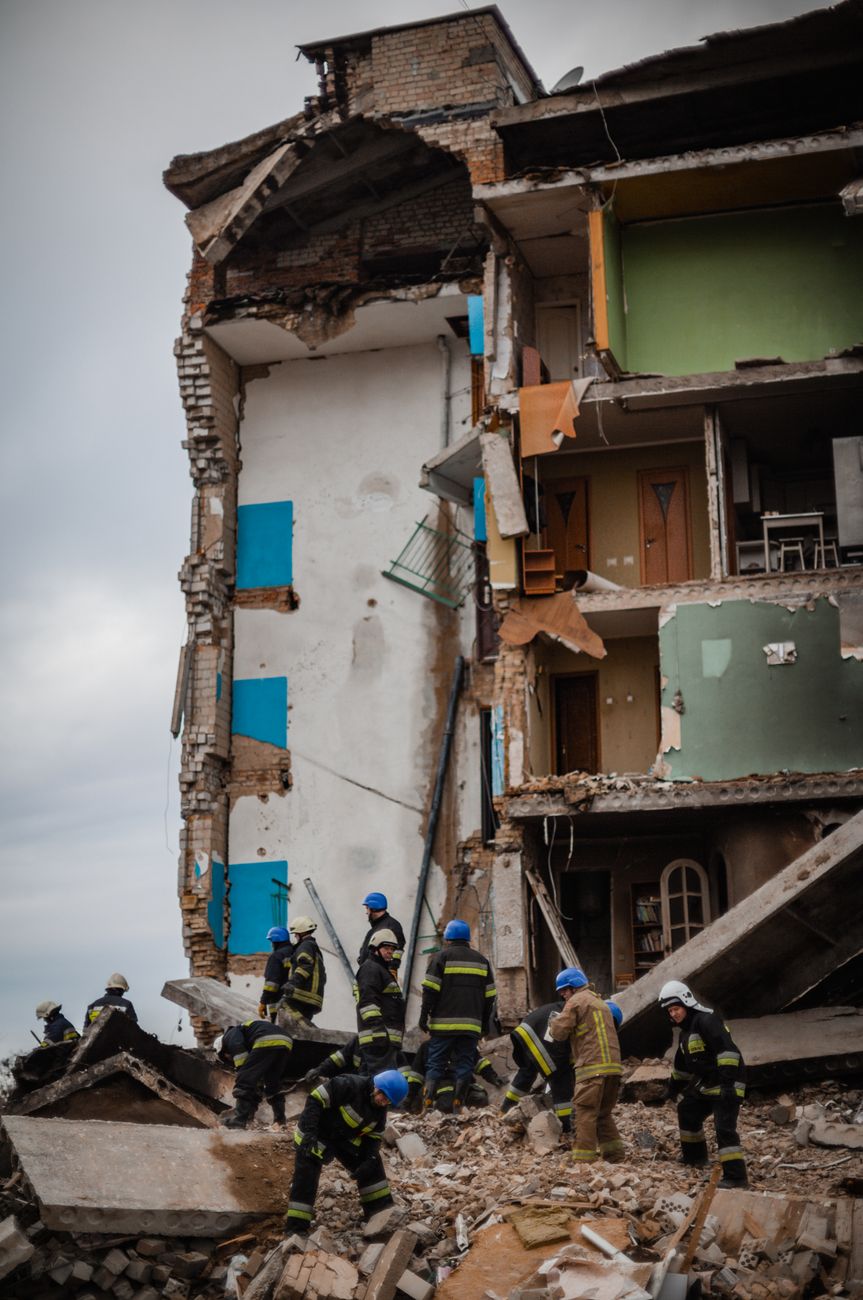
Russian missile and drone attacks killed civilians across Ukraine on Monday, while Vladimir Putin signalled no readiness for a direct meeting with Volodymyr Zelensky. For Belgium-based readers, the immediate issue is not only battlefield escalation in Ukraine but the pressure this puts on EU policy made in Brussels: sanctions, air-defence production, Ukraine financing and Belgium’s own promised F-16 support. Flemish live coverage framed the day around “Oekraïne meldt doden door Russische aanvallen” and Putin seeing no “redenen Zelensky ontmoeten”; the strategic point is that Moscow is pairing military pressure with diplomatic refusal.
For a Belgium-based reader, this matters because the next decisions are likely to be European as much as Ukrainian: air defence procurement, sanctions enforcement, reconstruction finance and military deliveries. Zelensky is asking Europe for stronger anti-ballistic capacity, which points directly at EU capitals, NATO planning and defence industry supply chains. Belgium is not the centre of the war, but it is part of the support architecture: Belgian Defence, the Belgian Air Component, the federal government and EU institutions in Brussels are all stakeholders in how long Ukraine can withstand attacks on civilians and infrastructure.
The true subject is the Russia-Ukraine war entering another phase of simultaneous long-range attacks and stalled diplomacy. Ukraine says Russian strikes killed civilians in Dnipro, Zaporizhzhia, Sumy and Kharkiv regions. Putin, meanwhile, has acknowledged strain from Ukrainian drone attacks on Russian oil infrastructure but has rejected concessions and shown no practical interest in a face-to-face meeting with Zelensky. Belgium fits into the story through the EU and NATO ecosystem in Brussels, Belgium’s bilateral security pact with Ukraine, and the planned transfer of 30 Belgian F-16 fighter jets by 2028.
Background
Russia’s full-scale invasion began in February 2022 after years of conflict following the 2014 annexation of Crimea and war in eastern Ukraine. Since 2022, Russia has repeatedly targeted Ukrainian energy, transport and civilian infrastructure to weaken resilience. Ukraine has increasingly used long-range drones against Russian military and energy infrastructure, shifting some pressure back onto Russia’s logistics and fuel systems. Several negotiation tracks and temporary truce ideas have failed to produce a stable ceasefire because the core disputes over territory, sovereignty and security guarantees remain unresolved.
Impact
Regional — Belgium’s direct regional impact is limited but real: Ukrainian residents in Belgium follow attacks on relatives and home towns; Belgian taxpayers and defence planners are linked to long-term Ukraine support; and Brussels hosts EU and NATO institutions coordinating sanctions, funding and military assistance. The story should remain international rather than Belgian domestic news.
Opposing perspectives
- Ukraine and EU institutions
Kyiv and EU leaders frame the latest doden russische aanvallen as evidence that Russia is escalating while avoiding a serious peace track. Zelensky’s emphasis is civilian protection and European anti-ballistic defence. Ursula von der Leyen’s broader EU framing has been that Europe must sustain Ukraine financially and militarily, while sanctions weaken Russia’s war economy.
- Kremlin and Russian state position
Putin’s line is that Ukrainian drone strikes on Russian infrastructure create temporary problems but will not change Moscow’s war aims. By saying there are no meaningful redenen Zelensky ontmoeten, the Kremlin signals that direct leader-level diplomacy is not its priority unless Ukraine and its backers move closer to Russian territorial demands.
- Belgian support camp
Belgium’s pro-Ukraine policy camp, represented in the 2024 security pact signed by Alexander De Croo and Zelensky, treats support as a defensive investment. De Croo’s message at the time was that Belgium had to act “more, better and faster”, a framing that differs from wire-copy neutrality by placing Belgian military commitments inside European deterrence.
- EU sceptics and energy-sensitive capitals
Some EU governments and political forces remain more cautious about sanctions and military escalation, especially where Russian energy exposure or domestic cost concerns are high. Their argument is not usually pro-attack but cost-and-risk focused: more sanctions and weapons may hurt European economies or narrow diplomatic space without forcing Moscow to stop.
Sources & evidence
- De Morgen liveblog: Live - Oekraïne meldt doden door Russische aanvallen • Poetin ziet ‘geen redenen’ om Zelensky te ont · 2026-06-29
- Associated Press: Zelenskyy condemns 'horrific attacks' as Russian strikes kill 12 and wound 40 in Ukraine · 2026-06-29
- Associated Press: EU releases 3 billion-euro loan package for Ukraine’s recovery · 2026-06-25
- The Guardian: Belgium pledges 30 F-16 fighter jets for Ukraine with near €1bn in military aid · 2024-05-28
- Council of the European Union: EU sanctions against Russia explained