Why does Nederlander Rob Smeets becoming CEO of Antwerp-Bruges port matter for Belgium?
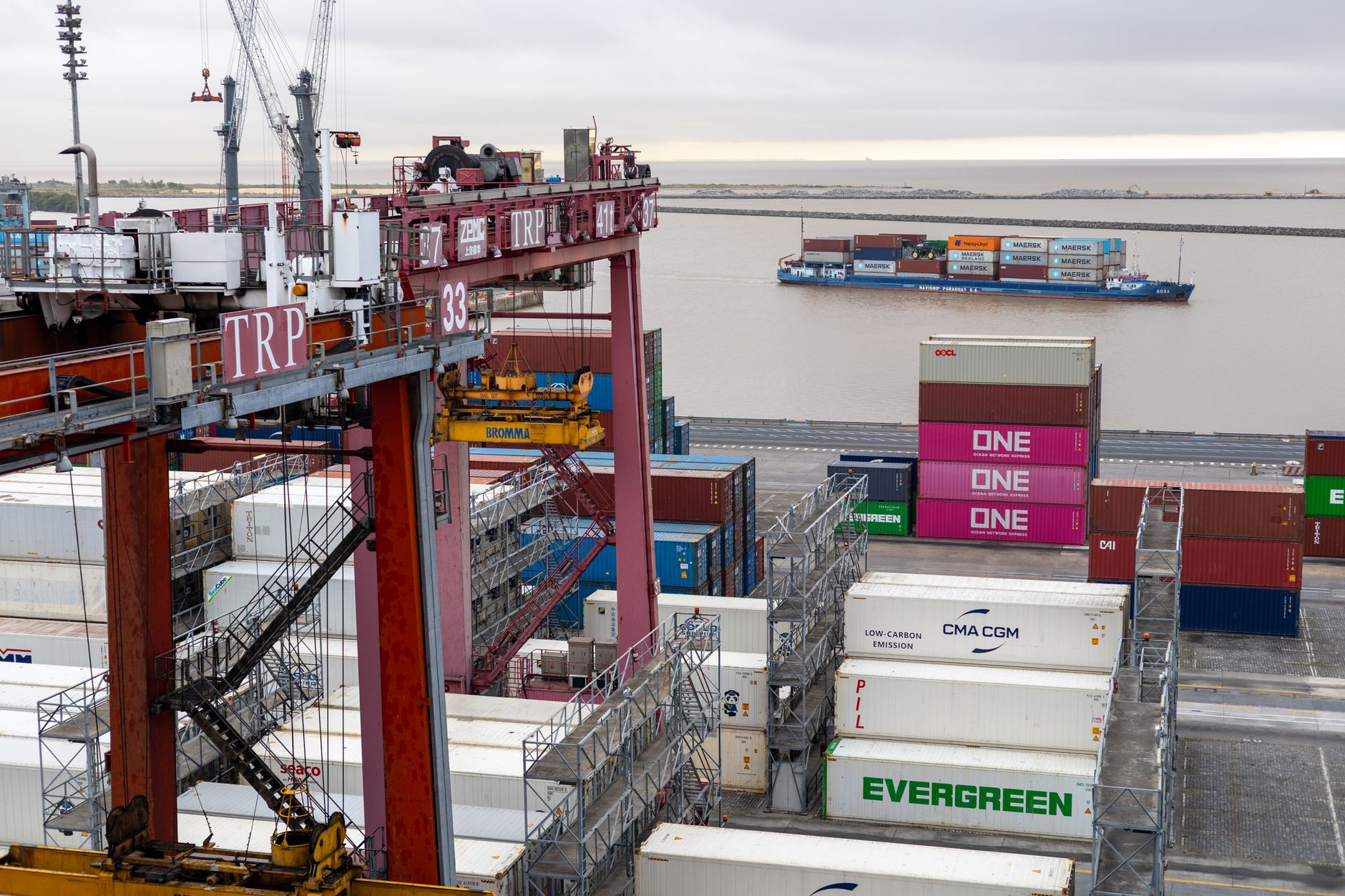
Nederlander Rob Smeets wordt CEO van de haven van Antwerpen-Brugge, placing a Dutch executive at the head of one of Belgium’s most strategic economic institutions. For Belgium-based readers, this is not just a personnel change: the Port of Antwerp-Bruges connects Flemish industry, EU transport corridors, energy logistics, vehicle flows, chemicals, containers and North Sea trade. The appointment therefore lands at the intersection of Belgian municipal ownership, European supply-chain policy and competition with neighbouring ports, especially Rotterdam. Flemish reports from De Standaard, De Morgen and Het Nieuwsblad identify Smeets as the new top executive; the port authority and EU sources provide the institutional context for why the role matters beyond a normal corporate appointment.
For residents, expats and EU staff in Belgium, the practical point is simple: decisions made at the top of this port influence jobs, prices, freight reliability, road and rail pressure, energy infrastructure and industrial competitiveness. Antwerpen is a major petrochemical and container hub; Brugge-Zeebrugge is important for vehicles, roll-on/roll-off traffic, LNG and North Sea links. A new CEO will have to balance commercial growth with congestion, climate obligations, security concerns, drug-trafficking pressure, labour relations and competition with Dutch, German and French ports. The Belgian angle is therefore central, but the centre of gravity remains business and European logistics: this is about who steers a critical North Sea gateway at a volatile moment for trade.
The subject is the leadership change at Port of Antwerp-Bruges, the merged port authority covering Antwerpen and Brugge-Zeebrugge. The named central figure is Rob Smeets, described by Flemish media as the Dutchman chosen to become CEO. The institution is not a private shipping company: it is a public-law port authority with Antwerp and Bruges as the municipal shareholders, making the CEO accountable to a politically sensitive Belgian ownership structure while also serving global shipping lines, chemical companies, logistics operators and energy players. Key Belgian stakeholders include the cities of Antwerp and Bruges, Antwerp acting mayor Els van Doesburg, Bruges mayor Dirk De fauw, the Flemish logistics and chemicals ecosystem, port employers, unions, exporters and importers using the North Sea gateway, and EU transport bodies responsible for TEN-T corridors.
Background
Antwerp and Zeebrugge formally joined forces in 2022, creating Port of Antwerp-Bruges. The merger was intended to combine Antwerp’s scale in containers, chemicals and inland access with Zeebrugge’s coastal position, automotive traffic, roll-on/roll-off activity and energy infrastructure. Historically, Antwerp’s position has always depended on access through the Scheldt and on links to the European hinterland, while Zeebrugge developed as a seaport with direct North Sea access. The merged structure was designed to make the combined port more competitive against Rotterdam, Hamburg and other North Sea rivals. Smeets’ Dutch nationality adds a symbolic layer because the Netherlands is both a logistics partner and a direct competitor.
Impact
Regional — The strongest regional impact is in Flanders. Antwerp’s port area affects the Antwerp city region, the Waasland, chemical clusters and inland logistics. Brugge-Zeebrugge affects West Flanders, vehicle handling, ferry and short-sea links, and coastal employment. The appointment may also renew attention to how evenly the merged port authority serves both Antwerp and Bruges interests.
Opposing perspectives
- Antwerp and Bruges municipal-owner perspective
For the cities of Antwerp and Bruges, the appointment is best read through governance and continuity. Their priority is not the nationality of Nederlander Rob Smeets but whether Smeets nieuwe topman can protect the merged port’s Belgian public mandate: jobs, investment, balanced attention to Antwerpen and Brugge-Zeebrugge, and credible delivery on the port’s stated ambition to become a climate-neutral port by 2050.
- Port users and Flemish industry perspective
Exporters, importers, logistics firms, chemical companies and terminal operators will judge the new CEO by service reliability, capacity, hinterland links and cost. Their framing differs from a simple personality story: they need a port that handles trade disruption, labour constraints, security checks and green-investment costs without losing traffic to Rotterdam, Hamburg or French competitors.
- EU transport and climate-policy perspective
For EU institutions, the port is part of a wider North Sea and TEN-T infrastructure picture. The relevant question is whether leadership in Antwerp-Bruges supports modal shift, cleaner fuels, resilient supply chains and better cross-border links. In this framing, the CEO appointment matters because Belgian port decisions feed into European industrial and climate policy, not only local prestige.
- Local communities and environmental groups perspective
Residents near port zones, mobility groups and environmental organisations are likely to focus less on the leadership announcement and more on what follows: truck traffic, emissions, land use, noise, safety and the credibility of climate pledges. For them, rob smeets nieuwe leadership will be tested by measurable improvements, not by merger-era branding or North Sea ranking claims.
Sources & evidence
- De Morgen · 2026-06-13
- De Standaard · 2026-06-13
- Het Nieuwsblad · 2026-06-13
- Port of Antwerp-Bruges newsroom
- European Commission, Trans-European Transport Network
- The Brussels Times · 2025-02-24