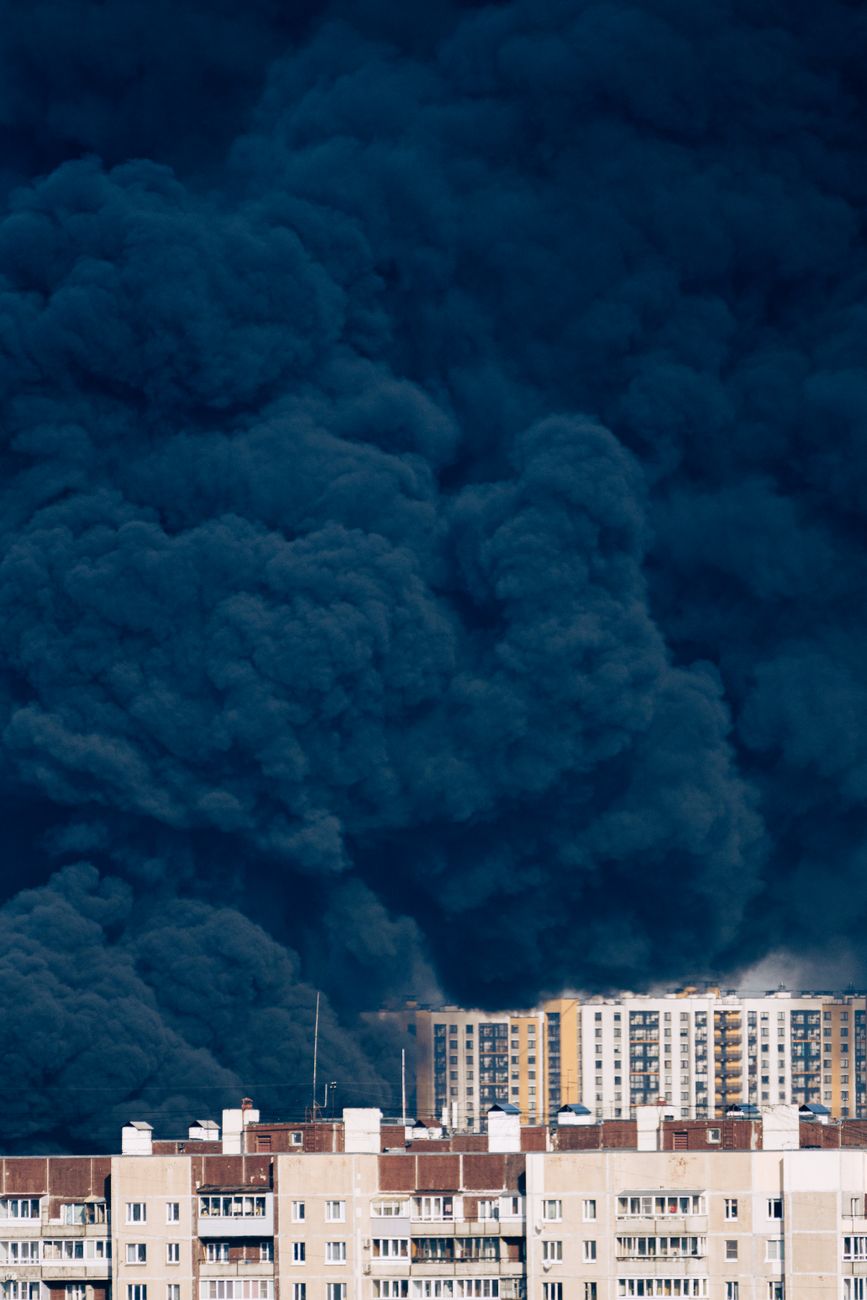
Why does the St Petersburg drone attack matter from Brussels?
For Belgium-based readers, the large Ukrainian drone attack on the St Petersburg region is not only another distant battlefield update. It lands directly in Brussels’ policy space: EU sanctions, NATO deterrence, Belgian F-16 commitments to Ukraine, and the unresolved question of how far Kyiv’s partners accept strikes inside Russia. Russian officials said air defences shot down 376 Ukrainian drones, including 141 over the Leningrad region around St Petersburg. Ukraine said its drones reached naval assets in Kronstadt and an oil depot in southern Russia. President Vladimir Putin, meanwhile, rejected the idea of a direct meeting with Volodymyr Zelenskyy, saying he saw no point in it. No specific Belgian federal reaction to this St Petersburg attack was found in reviewed sources, but Belgium is already part of the story through its 10-year security agreement with Ukraine, its pledged F-16s, Brussels-based EU decisions, and the Euroclear-linked debate on frozen Russian assets.
For a reader in Belgium, the practical point is this: attacks like this test the limits of European support for Ukraine. Belgium has pledged 30 F-16s to Ukraine by 2028 under a security agreement first signed by Alexander De Croo, but Belgian-supplied jets were reported to be restricted from attacking targets inside Russia. At EU level, Commission President Ursula von der Leyen has framed sanctions as a way to weaken Russia’s war economy, including through measures on oil, banks, shadow-fleet shipping and drone-related technology. That means the question is not just who hit what in Russia; it is whether Europe can keep arming Ukraine, sanctioning Russia and managing escalation risks at the same time.
The true subject is the widening long-range phase of the Russia-Ukraine war. St Petersburg is Russia’s second city and a symbolic political and economic stage for Putin, especially during the St Petersburg International Economic Forum. The reported droneaanval Sint-Petersburg Rusland shows Ukraine’s attempt to bring military, oil and naval pressure deep into Russia while Moscow continues drone, missile and artillery attacks on Ukrainian cities. The Belgian connection is secondary but real: Belgian Prime Minister Bart De Wever’s government, Defence Minister Theo Francken, EU institutions in Brussels, NATO structures headquartered in Brussels, Euroclear in Brussels and Belgium’s Ukrainian community all sit within the policy consequences of escalation.
Background
Since Russia’s full-scale invasion in February 2022, the war has moved from a front-line artillery contest into a broader drone and infrastructure war. Ukraine has increasingly targeted Russian oil facilities, military depots, naval sites and air-defence systems far from the front. Russia has continued large-scale attacks on Ukrainian power, transport and residential infrastructure. St Petersburg matters historically because it is Putin’s home city and a showcase for Russian state prestige, not merely another target on the map.
Impact
Regional — Belgium’s direct regional impact is limited, but Brussels is central as the seat of the European Commission, Council and NATO headquarters. Euroclear, based in Brussels, also keeps Belgium exposed to EU debates over Russian state assets immobilised after the 2022 invasion.
Opposing perspectives
- Ukraine’s deterrence argument
Ukraine frames long-range drone strikes as pressure on the aggressor state and a response to Russian attacks on Ukrainian civilians and infrastructure. Zelenskyy said the St Petersburg-region operation showed that Russian military and naval assets are not beyond reach, while Foreign Minister Andrii Sybiha warned that things would get worse for Russia. This differs from a narrow wire-service frame by tying the attack to Kyiv’s demand for more air defence, long-range capacity and European permission to defend itself effectively.
- Russia’s sovereignty and escalation argument
Moscow describes Ukrainian drone attacks inside Russia as hostile escalation and says its air defences prevented broader damage. Putin’s refusal to meet Zelenskyy fits Russia’s public line that talks should not be built around Ukrainian pressure or personal diplomacy. Russian officials also use such strikes to justify stronger air defences and continued military operations, while presenting Russia as under attack rather than as the state that launched the full-scale invasion in 2022.
- EU sanctions and security framing
The EU-side frame is less about a single spectacular strike and more about Russia’s war economy. Von der Leyen said EU sanctions are weakening the economic foundations of Russia’s war effort, and the latest proposals include banks, oil revenues, shadow-fleet vessels and drone-related technology. For Brussels, the St Petersburg attack reinforces the policy question of whether economic pressure, military aid and Ukraine’s accession path can stay aligned across 27 member states.
- Belgian caution on support limits
Belgium’s framing is supportive but cautious. Under the Belgium-Ukraine security agreement, De Croo called the Belgian F-16 contribution an important signal for Ukraine’s future fighter capacity, but reporting at the time said Belgian jets would not be used to attack targets inside Russia. That makes Belgium a useful example of the European tension between helping Ukraine survive and avoiding steps that national governments fear could widen the war.
Sources & evidence
- De Morgen liveblog
- Associated Press · 2026-06-06
- The Guardian Ukraine war briefing · 2026-06-07
- The Guardian on EU sanctions proposals · 2026-06-09
- The Guardian on Belgium-Ukraine security pact · 2024-05-28