Why is visit.brussels preparing to cut nearly a quarter of its staff?
A major reorganisation at visit.brussels has become an early test of the Dilliès government’s promise to bring the Brussels-Capital Region back towards budget balance by 2029. According to BX1, citing Le Soir and confirmation from the office of Brussels Minister-President Boris Dilliès, 37 of the regional tourism agency’s 159 staff are expected to leave under a voluntary departure plan. The plan still needs formal approval by the Brussels Council of Ministers. The political issue is not only how many jobs go, but what kind of tourism policy Brussels can still run while cutting public spending.
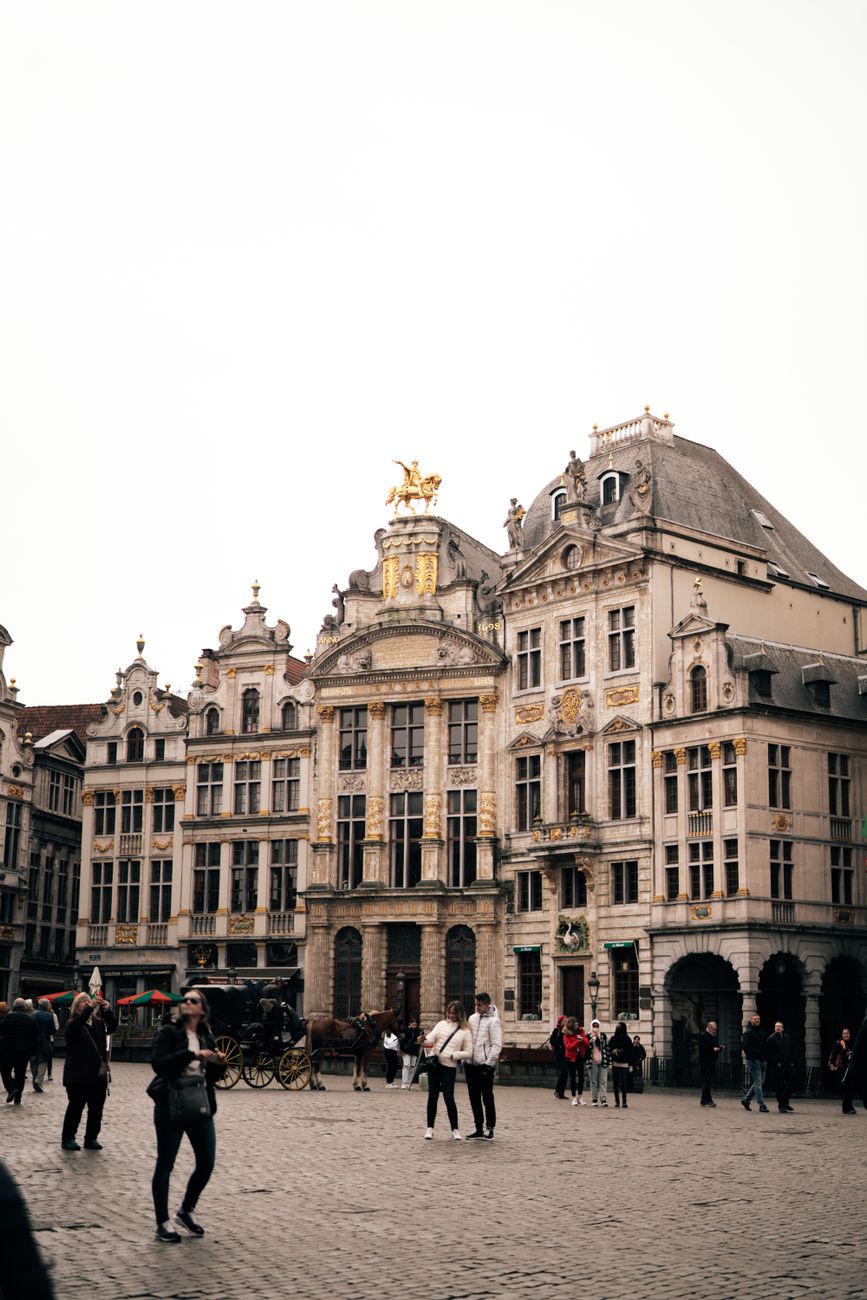
For residents, workers and businesses, this is a practical story about services and choices. From July, BX1 reports, there will no longer be a tourist office on Brussels’ Grand-Place. Some public-facing events have already been scaled back or cancelled. For hotels, museums, guided-tour operators, restaurants and event organisers, the question is whether Brussels can keep the benefits of tourism while reducing the agency that coordinates promotion, welcome services and destination strategy. For regional politics, it shows how budget consolidation is moving from coalition text into institutions, jobs and visible public services.
visit.brussels is the Brussels-Capital Region’s tourism promotion and communications agency. It promotes Brussels as a destination for leisure travel, culture, events, business tourism and international meetings. The relevant authority is regional, not federal: tourism promotion for Brussels falls under the Brussels-Capital Region, and Boris Dilliès, Minister-President of the Brussels-Capital Region and member of the Mouvement Réformateur, holds the tourism portfolio. The reported plan would see 29 departures during summer 2026 and eight more by the end of 2027, on a voluntary basis rather than through dismissals.
Background
Brussels entered the 2024-2029 regional cycle after an unusually long government formation following the June 2024 elections. The Dilliès government took office in February 2026 after more than 600 days of political deadlock, according to Belgian media reports at the time. Its regional policy agreement set a target of restoring budget balance by 2029. visit.brussels is now one of the agencies being asked to translate that fiscal objective into operating cuts. The case is institutionally important because Brussels tourism is both an economic policy and an image policy: the region sells itself as a capital of Belgium, Europe and international meetings, but funds that strategy from a regional budget under pressure.
Impact
Regional — The impact is concentrated in Brussels. The cuts concern a regional agency, regional staff and Brussels tourism services. The loss of a Grand-Place tourist office would be most visible in the historic centre, but the consequences may extend to event programming, cultural promotion, business tourism and the city’s image abroad.
Opposing perspectives
- Dilliès government and regional budget frame
The office of Brussels Minister-President Boris Dilliès presents the plan as a voluntary departure scheme rather than dismissals. In this frame, the reorganisation is part of the government agreement’s wider savings effort and respects the 2026 moratorium on layoffs for regional staff.
- Trade unions and staff protection frame
The unions involved in discussions have an interest in limiting compulsory job losses, securing acceptable departure terms and preserving workload conditions for remaining staff. Even where departures are voluntary, the staff-side question is whether a smaller agency can absorb the same political expectations without pressure on service quality.
- Tourism and cultural-sector frame
Museums, event organisers, hotels and visitor-economy businesses are likely to read the cuts through their effect on Brussels’ appeal and coordination capacity. Cancelled or shortened events and the closure of a central tourist office risk sending a weaker signal at a time when Brussels says it wants stronger destination marketing.
- Opposition scrutiny frame
Opposition parties in the Brussels Parliament can be expected to test whether the savings are coherent or simply visible cuts to public-facing services. Their likely scrutiny point is institutional: whether the government has defined priority missions clearly enough before reducing staff and events.
Sources & evidence
- BX1 · 2026-06-17
- visit.brussels - About us
- visit.brussels - Activity report 2025
- RTBF Actus · 2026-02-12
- VRT NWS · 2026-02-13