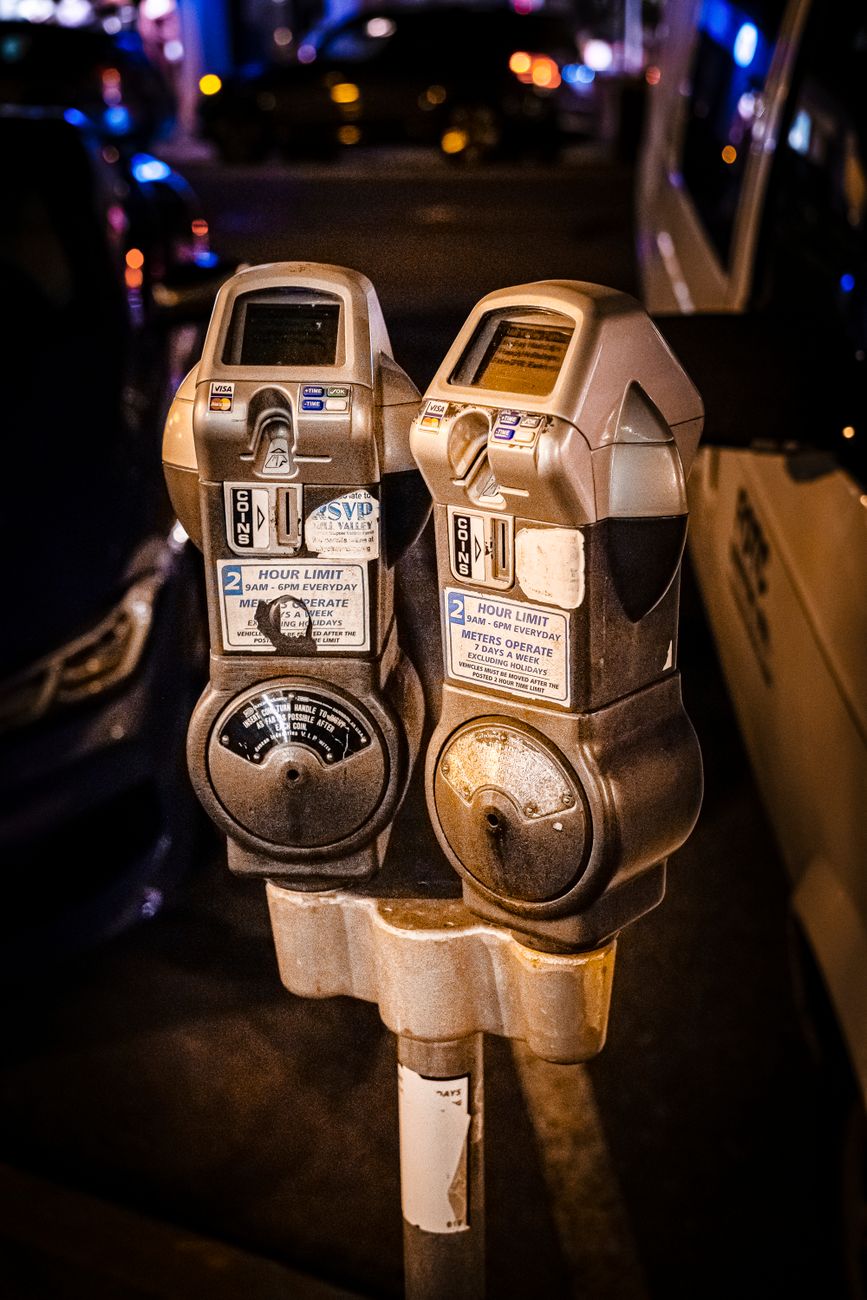
Will 67 fewer boulevard parking spaces change how Tournai shops and moves?
Tournai is preparing to remove 67 parking spaces along the boulevards des Nerviens and des Déportés, a targeted but visible change on part of the city’s inner ring. The figure matters because it is not an abstract mobility debate: it affects residents who park near home, workers and visitors who use the boulevards as a practical edge-of-centre parking area, and traders who worry that each lost space makes a short stop in the city centre less convenient. The plan, reported by La DH on 10 June 2026, sits inside a wider reshaping of Tournai’s public space. The city’s own mobility framework says its Plan communal de mobilité is meant to organise coherent movement for people and goods, improve access to activity centres, encourage walking, cycling and public transport, and make more rational use of private cars. That is the policy logic behind many Belgian city-centre changes: fewer kerbside spaces in some streets, more space for safer crossings, cycling links, greenery, deliveries or traffic-calming. For households, the practical question is simple: where does the car go, and how much time or money does the alternative cost? Tournai’s parking system already mixes free spaces, blue zones and paid zones. In paid areas, the city lists 75 parking meters, a standard tariff of 0.50 euros for 30 minutes outside the Grand-Place, a higher Grand-Place rhythm of 0.50 euros per 15 minutes, maximum stays of three hours outside the Grand-Place and two hours on it, plus one free half-hour per half-day and per river bank. The city names CityParking SA as the concessionaire controlling parking. That makes the issue a small but concrete household budget and time-management question: a shopper may not pay much more per visit, but may spend longer circling or walk farther if familiar boulevard spaces disappear. For businesses, the impact is more uneven. Cafes, pharmacies, food shops and service businesses that depend on quick turnover of customers are more exposed than destination venues, offices or tourism sites. A 67-space reduction is modest compared with large peripheral car parks, but significant if concentrated on a familiar access strip. The comparison baseline is important: Tournai Expo, outside the historic core, is listed by the city as having 700 parking spaces after a 14 million euro renovation. That contrast helps explain why centre traders often fear that peripheral or edge-of-town sites feel easier for drivers than the historic centre. The broader market context is that Walloon medium-sized cities are trying to keep their centres economically useful while also adapting streets to safety, climate, accessibility and quality-of-life targets. Tournai has already completed the station and rue Royale project, a 9 million euro redevelopment funded by Wallonia, Europe and the city, with TEC, SPW, SNCB and the city listed as partners. The stated aim there was not anti-car: it was to combine walking, cycling, public transport and cars more harmoniously while supporting commercial activity. The boulevard parking plan should be read in that same family of projects rather than as an isolated anti-driver measure. There is also a second development signal on the city’s edge: La DH reported that a sports and leisure centre with a hotel is under study along the chaussée de Bruxelles. If that project advances, Tournai’s access economy becomes more important: visitors may increasingly split their time between a historic centre, event infrastructure, sports and leisure sites, and hotel capacity. Parking, bus links, cycling routes and wayfinding will decide whether that movement benefits the centre or bypasses it. The immediate service-journalism advice is to treat the change as a local logistics shift, not a citywide parking collapse. Drivers should check whether their usual stop falls in the affected boulevards nerviens deportes area, compare it with paid-zone rules and time limits, and use the free half-hour where suitable for short errands. Traders should watch loading access, customer dwell time and signage rather than only counting spaces. The city, for its part, will need to show where displaced parking demand goes and whether residents, disabled users, deliveries and short-stay customers have workable alternatives.
For households, the change could mean longer walks, more planning and slightly higher time costs for errands near the inner ring. For small businesses, the issue is customer turnover: fewer familiar kerbside spaces can matter for pharmacies, food shops, cafes and services, even if the wider city still offers paid, blue-zone and free parking options. The comparison with Tournai Expo’s 700 listed spaces shows the centre is competing with more car-convenient peripheral sites.
The subject is a proposed local parking reduction in Tournai, specifically 67 fewer spaces along the boulevards des Nerviens and des Déportés. The main entities are the City of Tournai, local residents and traders, CityParking SA as the parking-control concessionaire, and public mobility partners such as TEC, SPW and SNCB in the broader station-area redevelopment context.
Background
Tournai’s boulevards form part of the city’s inner ring around the historic core. Like many Belgian historic cities, Tournai is trying to balance older street layouts with modern car access, retail competition, safer active mobility and public-space upgrades. The city’s 2015 mobility plan and later FEDER-supported projects show that this has been a multi-year policy direction rather than a one-off measure.
Impact
Regional — The impact is local to Tournai and Wallonia picarde, with the strongest effects around the boulevards des Nerviens and des Déportés and the adjacent centre-city commercial area.
Opposing perspectives
- City mobility planners and road-safety advocates
They are likely to see the loss of 67 spaces as a manageable trade-off if it improves safety, public-space quality, pedestrian crossings, cycling links or traffic flow on the inner ring. Their argument is that a historic city cannot treat kerbside parking as the default use of every metre of street, especially where public space must serve residents, deliveries, disabled access and slower mobility.
- Centre traders and short-stay customers
They may see the same 67-space reduction as a real commercial friction, particularly for businesses that rely on quick errands rather than destination visits. Their concern is not only the absolute number of places but predictability: if customers cannot quickly find a nearby space, they may shift to peripheral sites with larger car parks or combine fewer trips into the city centre.
- Residents of the affected boulevards
Residents may split between those who welcome calmer, safer streets and those who depend on nearby parking after work. The practical issue for them is whether displaced demand moves into side streets, whether resident permits remain useful, and whether the city provides clear alternatives before spaces disappear.
Sources & evidence
- La DH - Stationnement à Tournai: 67 places de moins le long des boulevards des Nerviens et des Déportés · 2026-06-10
- La DH - Tournai: un centre de sports et loisirs, avec hôtel, est à l’étude le long de la chaussée de Bruxelles · 2026-06-06
- Ville de Tournai - Zones de stationnement
- Ville de Tournai - Plan Communal de Mobilité
- Ville de Tournai - Quartier de la gare et de la rue Royale
- Ville de Tournai - Tournai Expo