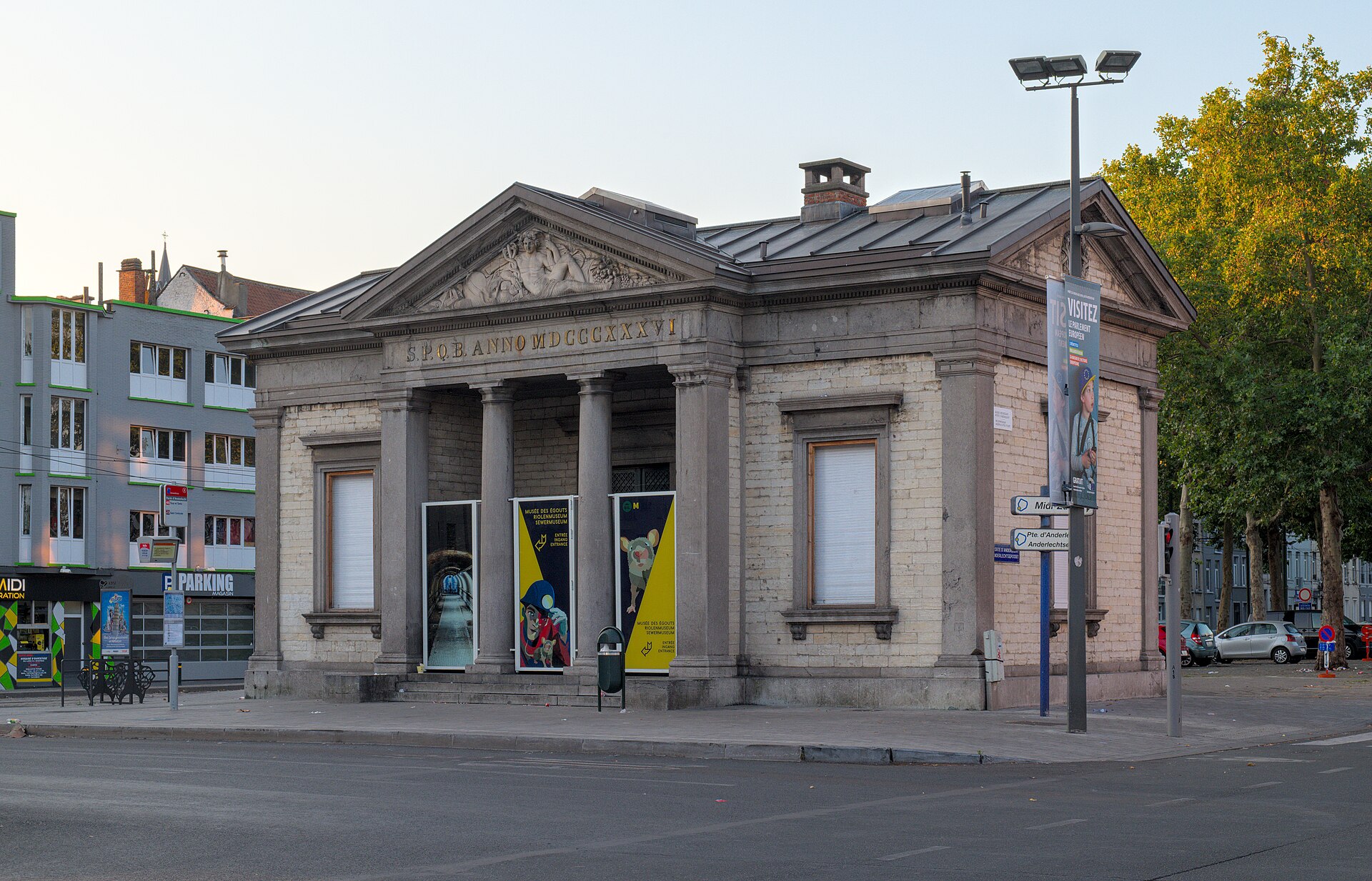
Will a regional anti-drug commissioner make Brussels safer?
Brussels is moving ahead with a commissaire regional antidrogue, a new regional anti-drug commissioner intended to coordinate prevention, local security policy and the fragmented institutional response to drug-related violence. The post is politically significant because it lands in the first months of the 2024-2029 regional legislature, after Brussels spent more than 600 days without a full government and after a visible escalation of shootings around Anderlecht, Clemenceau, Peterbos and the Midi area. The role will not replace federal police, prosecutors or the national drugs commissioner, Ine Van Wymersch. Its test will be practical: whether it can make regional prevention services, the 19 municipalities, six police zones, public transport, housing and health actors work from the same operating picture.
For residents and commuters, the immediate issue is whether the measure changes daily safety in places where shootings, open dealing, intimidation and drug consumption have become recurring concerns. For politics, it is an early test of the Dilliès government's ability to deliver visible public-order results after the long post-election blockage. For services on the ground, the useful version of the job would be a single point able to connect intelligence, prevention funding, municipal actions, health responses and follow-up with federal authorities. The weak version would be a symbolic doter commissaire regional measure that produces meetings but little change in hotspots.
The true subject is not simply the creation of another Brussels title. It is the Region's attempt to fix a coordination problem in a city where drug markets cut across municipal borders, federal justice powers and regional competences such as prevention, urban policy, public transport, social support and local security planning. Brussels Minister-President Boris Dilliès, whose portfolio includes regional security and prevention, is the central regional actor. At federal level, Prime Minister Bart De Wever's government controls justice, federal police, customs and prisons, while the Brussels public prosecutor's office, led by King's Prosecutor Julien Moinil, handles criminal prosecution. The national drugs commissioner, Ine Van Wymersch, already has a countrywide coordination role. The Brussels commissioner will therefore have to add operational coherence rather than another institutional layer.
Background
Brussels has long had a complicated security architecture: 19 municipalities, multiple mayors with public-order powers, six local police zones, a regional government with prevention competences, and federal institutions responsible for justice, criminal police, customs and prisons. That fragmentation has been manageable for ordinary urban policy but exposed during cross-border criminal markets. Belgium created a national drugs commissioner after drug violence and cocaine trafficking became a federal priority, especially around Antwerp's port. Brussels is now adapting that coordination logic to the capital region, where street-level dealing, public space management and social policy are inseparable from criminal enforcement.
Impact
Regional — The impact is directly Brussels-wide but will be felt unevenly. Anderlecht, Saint-Gilles, the Midi district, Peterbos, Clemenceau and other areas identified by authorities and local reporting as drug hotspots are likely to be first in line for coordinated action. The commissioner may also matter for STIB/MIVB security, schools near dealing points, social housing providers and local prevention workers.
Opposing perspectives
- Brussels regional majority coordination frame
The Brussels regional majority around Minister-President Boris Dilliès can present the commissioner as a practical answer to fragmentation: one person to align prevention, municipal work, public transport security, social policy and contact with federal authorities. In this view, the problem is not only lack of repression but lack of shared command, follow-up and data across Brussels institutions.
- Federal justice and police enforcement frame
Federal actors, including Justice Minister Annelies Verlinden's portfolio and the Brussels prosecutor's office led by Julien Moinil, place emphasis on police capacity, prosecution, weapons trafficking, prison execution and federal investigative tools. From this frame, a regional commissioner is useful only if it supports criminal enforcement and does not blur responsibility for competences held by the federal state.
- Municipal mayors and hotspot management frame
Brussels mayors, including City of Brussels Mayor Philippe Close and Anderlecht Mayor Fabrice Cumps, face direct public-order pressure in specific neighbourhoods. Their likely concern is operational: whether the new role helps them act across municipal borders without weakening mayoral police powers, and whether it brings resources to hotspots rather than another regional steering committee.
- Public health and prevention services frame
Harm-reduction and social services such as Transit ASBL and local prevention workers tend to stress that enforcement alone cannot stabilise drug scenes. Their frame is that open dealing, crack use, homelessness, school safety and mental-health pressure require treatment capacity, housing pathways and outreach, alongside police action against violent networks.
Sources & evidence
- RTBF
- Associated Press · 2025-02-07
- Le Monde · 2025-02-08
- The Guardian · 2026-05-03
- Dilliès government reference page